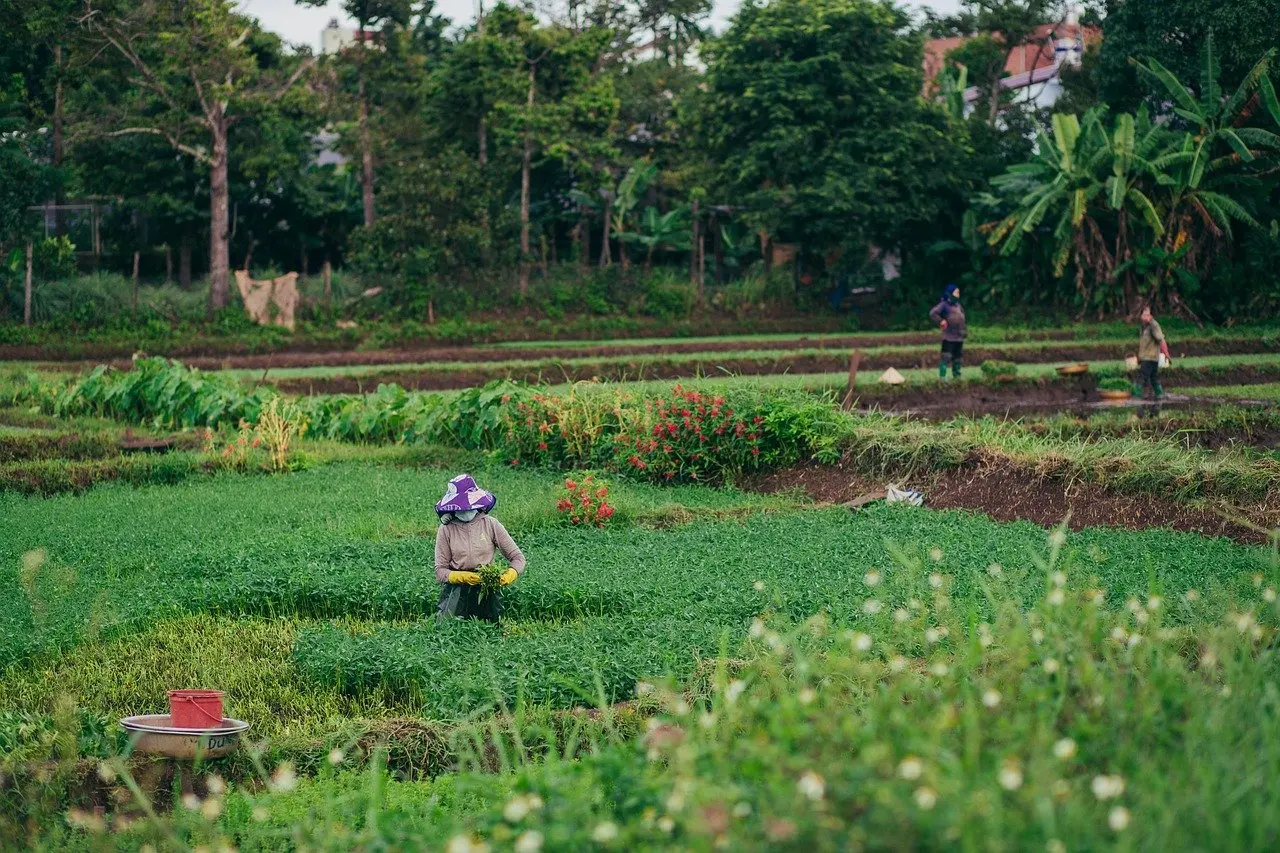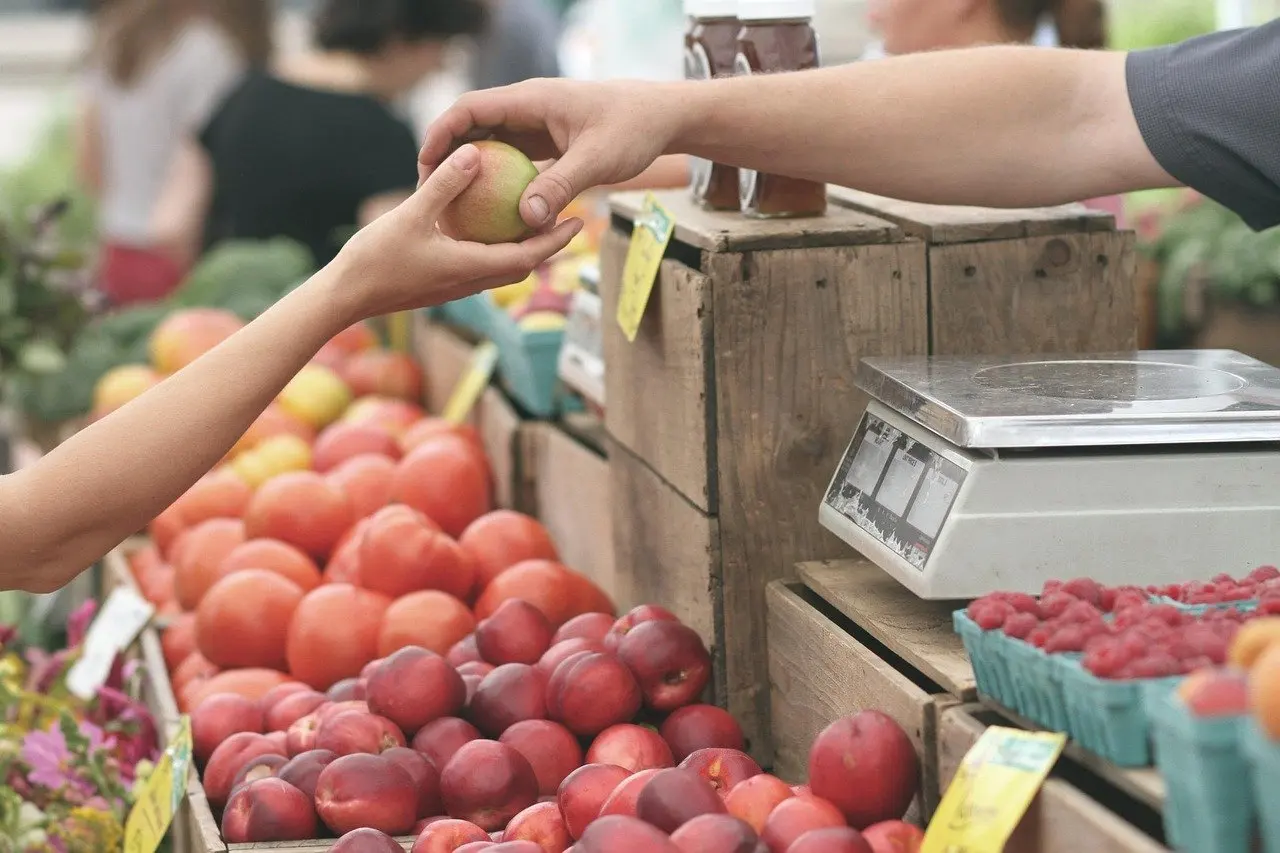
Farmers sell through a cooperative by delivering their product to an organisation they own together, which markets it collectively. How do farmers sell through a cooperative in detail? That depends on the co-op’s own rules for grading, pricing and payment.
This guide follows a single product from the farm gate to the buyer and shows who handles each step. For the wider picture of agricultural cooperatives in quebec, start with the hub guide.
The route from farm gate to buyer
A cooperative sale replaces many small, separate transactions with one shared channel. Heifer International describes a cooperative as an enterprise owned and operated by its members, and in an agricultural co-op the farmers pool money, labour and knowledge. Selling is one of the things they pool. A single crate of produce typically passes through these stages:
- Delivery. The farmer brings the harvest to the co-op’s receiving point instead of finding a buyer alone.
- Intake and grading. The product is weighed and checked for quality so that it can be sorted into consistent lots.
- Packing and aggregation. Product from many members is packed and combined into volumes a larger buyer can use.
- Sale and distribution. The co-op negotiates with buyers and sends the product out by truck.
- Payment. Money returns to the member under the co-op’s payment rules.
The order stays the same from one co-op to the next. What changes is how much of each stage the co-op handles itself and how much stays with the farmer. A member agreement or member guide is the document that settles this, and it is the first thing a prospective member should read.
Why selling together changes the deal
Collective marketing gives a small farm access that it rarely has alone. According to Heifer International, farmers in a co-op can secure access to larger markets, reliable buyers and fair prices. A buyer that needs a steady volume of one product is more likely to deal with an organisation that gathers many farms than with each farm separately.
The same structure helps on the cost side. Members can buy supplies such as livestock feed or seeds in bulk at reduced prices. That does not alter the sale itself, but it improves what a farm keeps after selling. Farmers weighing a co-op against solo selling should look at both the marketing side and the purchasing side.
Collective marketing suits farms whose volumes are too small to interest large buyers, or whose owners would rather farm than negotiate. It suits less well a farm with a loyal direct clientele that already pays well for everything it grows. For a fuller view of the trade-offs, the guide to the benefits of joining a farming cooperative sets out what members gain.
Intake, grading and packing
Grading is the step where individual harvests become a common product. When a co-op weighs and grades at intake, a buyer can order by grade without inspecting each farm’s output. For the farmer, it means the product is judged against one standard shared by every member.
Packing and processing can also move to the co-op. Heifer International reports that a Guatemalan cacao cooperative built local processing facilities to prevent having to send raw cacao abroad, so more of the product’s value stayed with local producers. A Nepal dairy cooperative converted a vegetable collection centre into a dairy facility to reduce spoilage and secure fairer prices. Both examples show that shared handling facilities can change what a farm is able to sell, not only how it sells.
Handling close to the farm matters most for perishable goods. Cooperative-run collection centres that receive milk reduce spoilage, according to the same source. The practical point for a member is to ask where intake happens, how far the product travels to reach it and what the co-op does with product that fails grading.
Who sets the sale price
No single member sets the price. In a cooperative, members share decision-making and manage resources together, and each cooperative typically has a board of directors, elected by its members, that sets policies. Every member has an equal say, no matter their financial contribution, according to Heifer International’s overview. A large grower and a small one therefore carry the same vote.
This governance structure is the practical answer for a farmer asking who sets the price. The buyer and the market influence what is achievable, and the co-op’s elected leadership works within its policies to decide how product is sold. A member who disagrees can raise it at the table where decisions are made, which is not possible with an anonymous buyer.
Expectations about price benefits need care. The International Labour Organization, as reported by Heifer, found that cooperative membership can increase the price farmers receive for their products by as much as 24 percent. That is an upper bound reported in one overview, not a promise for any particular product or co-op. Treat it as a reason to compare offers, not as a number to plan a budget around.
How payment reaches the farmer
Payment is where selling through a co-op and selling directly differ most. The farm-gate price is the amount paid to farmers when they sell their products directly from their farms, before transport and distribution costs are added, as Heifer International explains. In a direct sale, the farmer receives that price from the buyer who collects the product.
In a co-op sale, the product is sold downstream and the proceeds come back to the member through the cooperative. The timing and the split of that payment are set by each co-op, so the useful step is to ask the right questions before delivering a first load:
- Timing. Is any payment made on delivery, or does the farmer wait until the product is sold?
- Staging. Is part of the payment held back until the season’s sales are complete, and when is the final payment made?
- Deductions. Which costs, such as grading, packing or transport, are subtracted from what the member receives?
- Grade differences. Does the payment differ by grade, and who decides a lot’s grade?
Heifer reports that a Tanzanian milk project between 2015 and 2020 raised farmers’ monthly household income by 36 percent, and that its hubs helped 54,072 smallholder farmers boost formal milk collection. Results like these come from a particular dairy project and cannot be assumed elsewhere. They do show that organised collection and sale can change household income when it replaces scattered, informal selling.
Distribution and the retail shelf
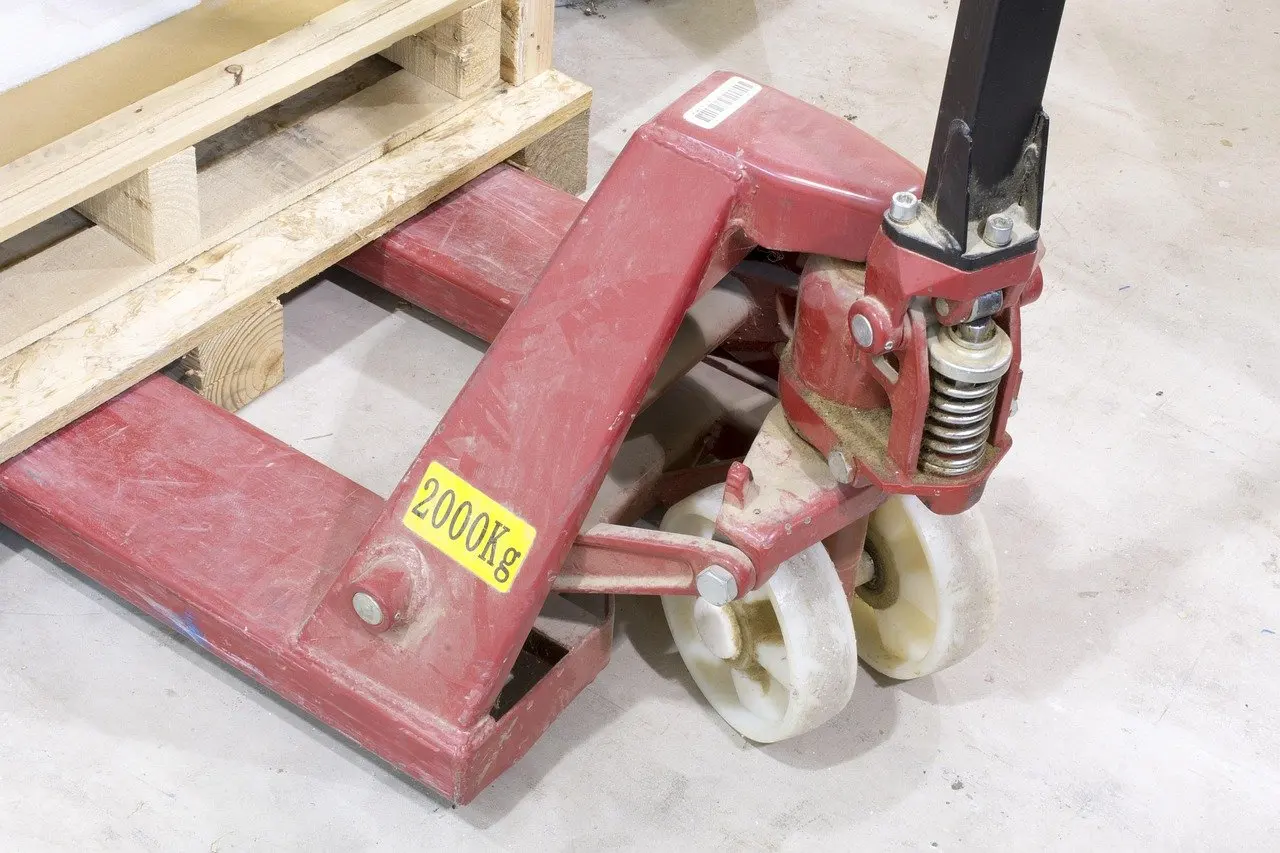
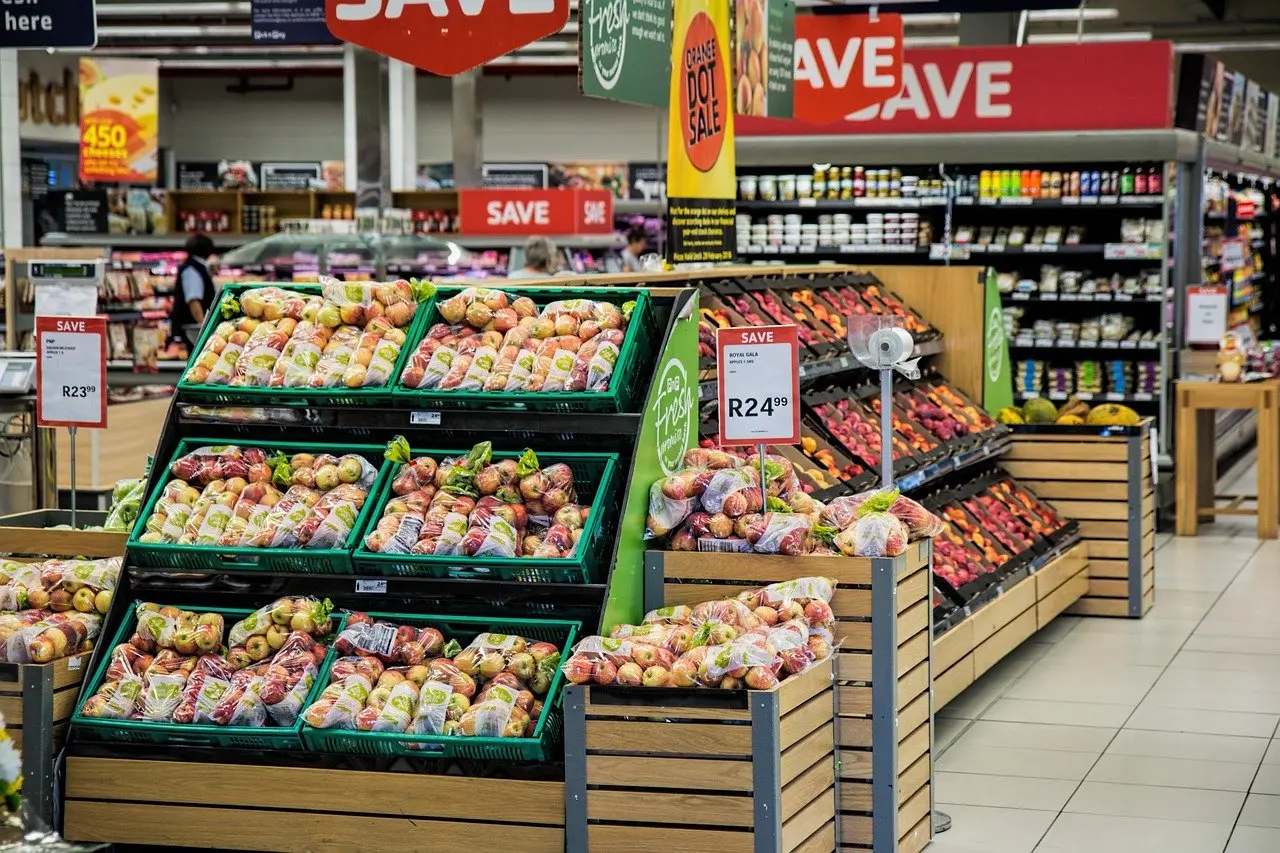
Once graded and packed, product leaves the co-op in volume. Pallets are loaded and trucks carry them to wholesalers, processors or stores. This is the stage where pooling pays off, because a full load going to one buyer costs less per unit to move than many small deliveries.
The chain ends at a shelf or a counter, where a shopper sees only the finished product. The farmer’s connection runs back through the co-op, which is why reliable buyers matter. A retailer that keeps ordering gives members a predictable outlet, which is the practical meaning of the “reliable buyers” Heifer International describes.
Direct farm sales alongside the co-op
Selling through a cooperative and selling direct are not always exclusive. Some farmers keep a market stall or farm-gate sales for part of their product and send the rest to the co-op. Whether that is allowed, and for which products, is a question for the member agreement. Some co-ops expect loyalty on a given product, and others leave room for members’ own customers.
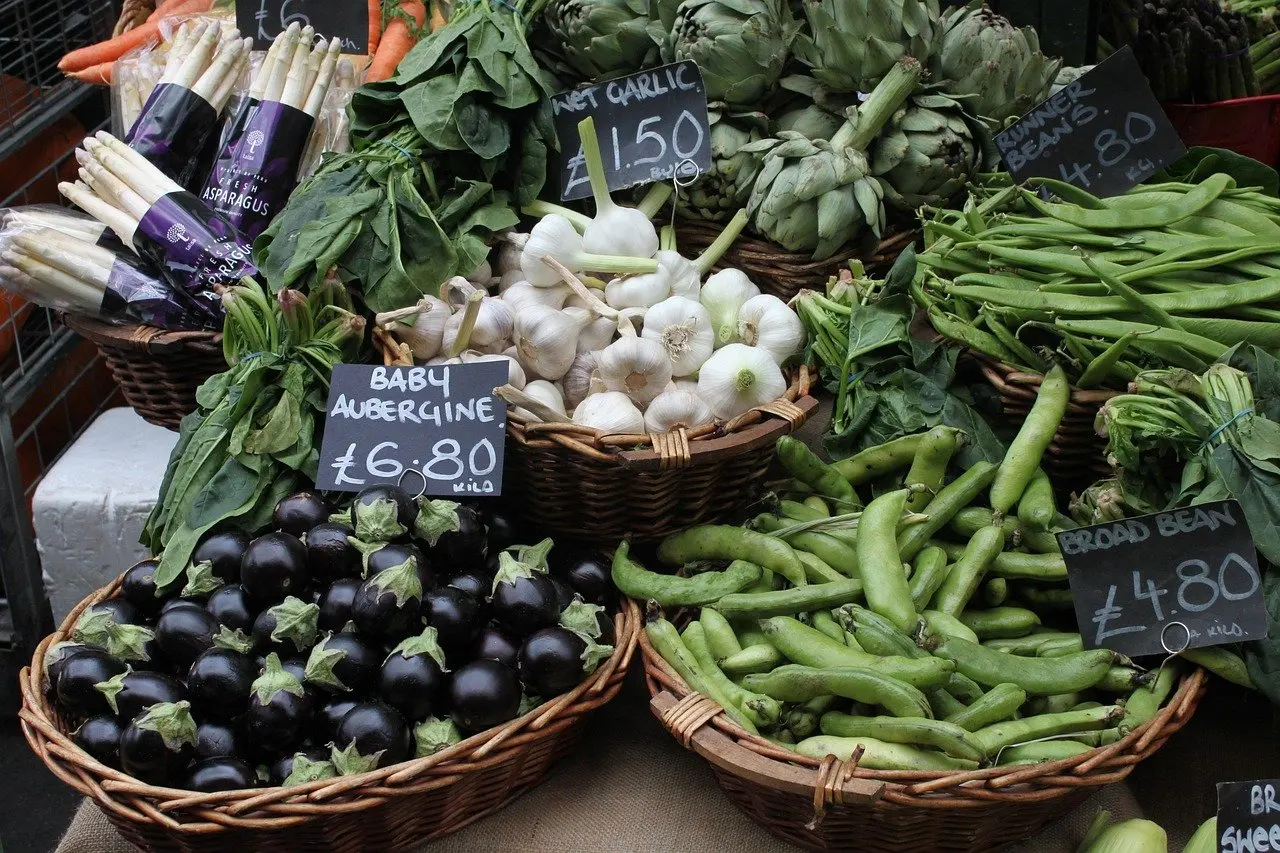
Direct sales keep the full farm-gate price in the farmer’s hands and bring contact with customers, but they also bring the work of finding buyers and handling every transaction. Co-op sales trade some control for volume and reliability. A mixed approach suits farms with a small direct clientele and surplus beyond it. A farm whose entire product is already spoken for locally may gain little from joining.
The co-op model also differs from a consumer-owned buying group, a difference covered in the comparison of food cooperative vs farming cooperative.
Frequently asked questions
How do farmers sell their products through a cooperative?
Members deliver their harvest to the co-op, which grades, packs and sells it in volume to larger buyers. Heifer International notes that co-ops can give farmers access to larger markets and reliable buyers.
Who sets the sale price?
No single member does. An elected board sets policies, and each member has one equal vote regardless of financial contribution.
How does payment reach the farmer?
Payment returns through the cooperative once product is sold, under that co-op’s own rules. Members should ask when payments are made, whether any is held back and what deductions apply.
Can a cooperative member still sell directly?
That depends on the co-op’s member agreement. Direct sales at a market stall or the farm gate pay the farm-gate price straight to the farmer, so the agreement should be checked before committing a product to the co-op.