A bag of dried peas and no salt pork in the cupboard? This quebec pea soup recipe still works: simmer split peas in stock for 60 to 90 minutes, no soaking needed, with smoked pork or a substitute.
- Soaking: split peas go straight into the pot after sorting and rinsing.
- Doneness: crushed peas mash easily with no hard centre.
- No salt pork: thick-cut bacon, smoked ham or a ham hock can take its place.
This page sits within the wider set of seasonal recipes quebec cooks make from local produce. Pea soup is a pantry dish, so it suits any week of the year, and the steps below start with the simplest version and add fixes only when something goes wrong.
The simplest version: yellow split peas, stock and smoked pork
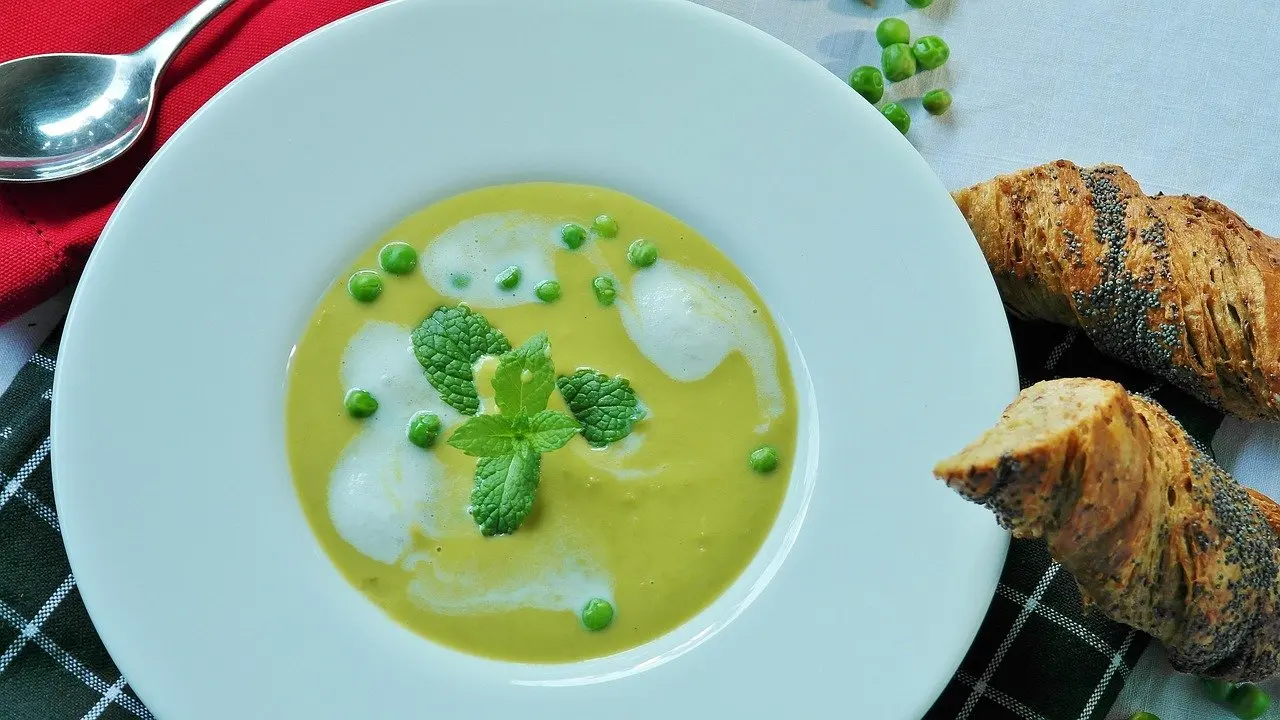
Yellow split pea soup is the Quebec-style default, and Michel Dumas lists his version under Quebec cuisine. The yellow split peas give the soup its warm colour and earthy flavour, and the recipe serves 10. Make it with these quantities, then change one thing at a time.
- Peas: 3 cups (about 1 1/2 lb) of dried yellow split peas, sorted and rinsed.
- Pork: 10 oz of lightly salted smoked pork belly, rind removed and diced.
- Liquid: 10 cups of unsalted or low-sodium chicken stock. The recipe lists 1 to 2 cups of extra liquid beyond that for adjusting later.
- Vegetables: the vegetables of your choice, softened in the rendered pork fat.
Those amounts come from the Michel Dumas recipe. A large pot is the practical choice, because the batch is built for a crowd.
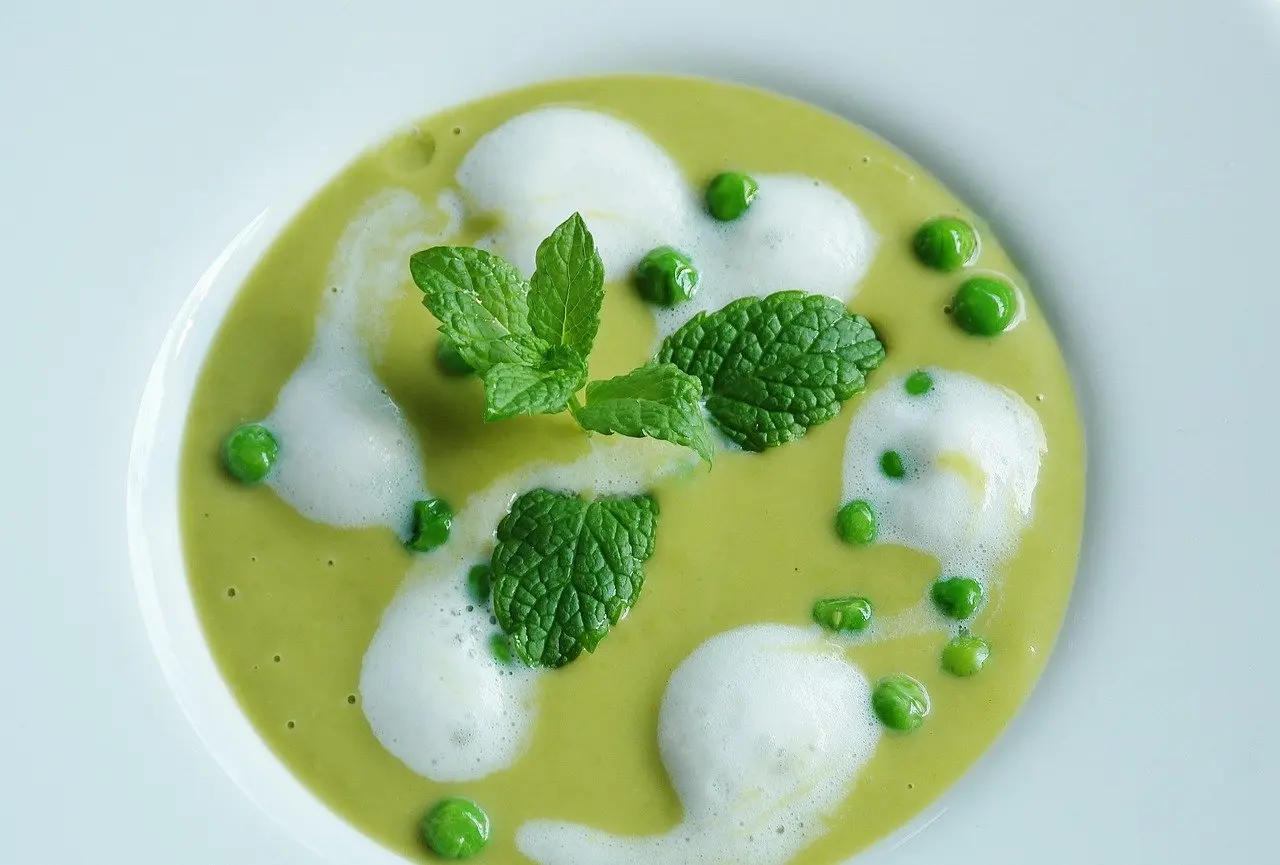
Cooking steps from pot to bowl
The method is short, and the pork does most of the flavouring work. Smoked pork supplies richness and a savoury note, so the soup needs no cream, according to the same recipe.
- Render the pork. Cook the diced pork over medium-low heat for 6 to 8 minutes, stirring, until some fat has melted.
- Add the vegetables. Soften them in the rendered fat before any liquid goes in.
- Add peas and stock. Stir in the sorted, rinsed peas and the chicken stock, then bring the pot to a simmer.
- Skim early. Remove excess foam from the surface during the first few minutes.
- Simmer partly covered. Cook for 60 to 90 minutes and stir every 10 minutes so the peas do not settle and catch.
- Test and adjust. Crush a few peas against the side of the pot. Add a little of the extra liquid if the soup is thicker than you like.
Fully cooked split peas provide their own body, and stirring distributes that natural thickening through the pot. A blender or a splash of cream is not part of the method.
If the peas are still hard: time, soaking and pea type
Check the peas before reaching for any fix. The test is the mash: a crushed pea should give way easily with no hard centre. If it does not, keep simmering and stirring. Another published Quebec-style recipe gives the timing as about 1 hour or until the peas are tender, which fits inside the longer range above. Treat the clock as a guide and the mash test as the deciding check.
Do split peas need soaking?
No. There is no need to soak them first; once they are sorted and rinsed, they can be added directly to the pot. Soaking them overnight can help reduce the cooking time, so it is a choice for a cook who wants a shorter simmer, not a required step.
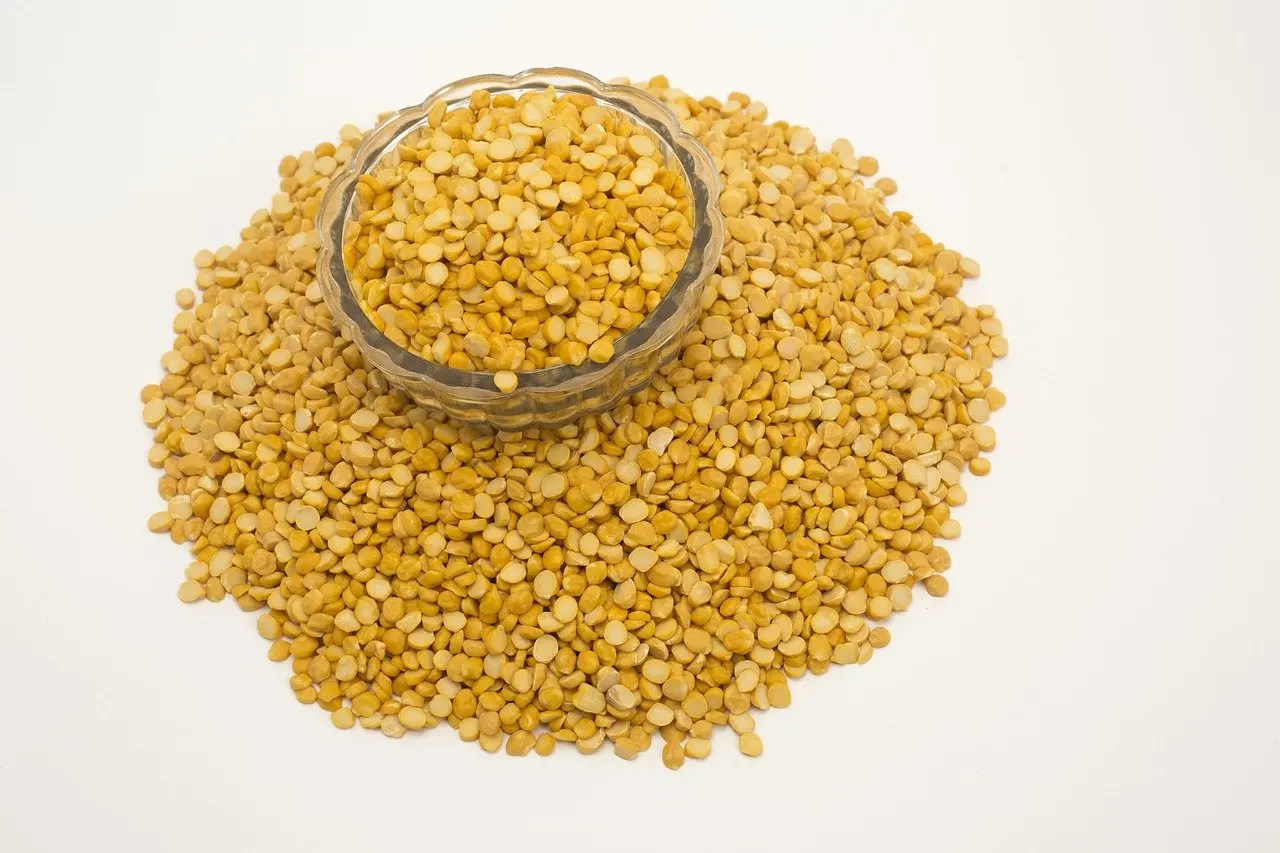
Whole dried peas behave differently
Whole peas can require soaking and a different cooking time. If a recipe calls for whole dried peas, plan the soak ahead and do not borrow the split pea clock. Judge doneness by the same mash test, and expect the pot to need attention longer than a split pea batch would.
| Pea type | Soaking | Simmer guidance | Planning use |
|---|---|---|---|
| Yellow split peas | Not needed after sorting and rinsing | 60 to 90 minutes partly covered; about 1 hour in another published version | The default for a Quebec-style soup on a regular evening. |
| Yellow split peas, soaked overnight | Overnight | Can help reduce cooking time | Useful when time at the stove is short and the soak can be done the night before. |
| Green split peas | Same general method | Cooking time may differ | Works, but the colour changes, so start testing early. |
| Whole dried peas | Can require soaking | A different cooking time | Plan ahead and rely on the mash test instead of the split pea timing. |
The figures and conditions in the table come from the Michel Dumas recipe and a published Quebec-style split pea recipe.
If you can’t find salt pork
The pork flavours the soup but does not hold the structure together, so the swap is forgiving. Choose the substitute by how salty and how fatty you want the pot to be.
- Smoked pork belly. This is the cut the Michel Dumas recipe uses, lightly salted, with the rind removed. It is the closest everyday match to the pork in the base recipe.
- Thick-cut bacon. It is a convenient alternative, but it may be saltier and release more fat. Pair it with the unsalted or low-sodium stock the recipe calls for.
- Fully cooked smoked ham. It can replace the pork belly, but add it during the final 20 minutes so it heats through without cooking down.
- Smoked ham hock. A published Quebec-style recipe builds its soup from yellow split peas, vegetables and smoked ham hock with chicken broth. It suits a cook who wants a meatier, slow-simmered pot.
These choices come from the Michel Dumas recipe. Bacon and ham both change the salt balance, so taste the soup near the end before adding any seasoning.
Other legumes in the same style of soup
Green split peas are the safest swap. They follow the same general method, though the colour changes and the cooking time may differ, as the Michel Dumas recipe notes. Whole dried peas need the soaking and different timing described earlier.
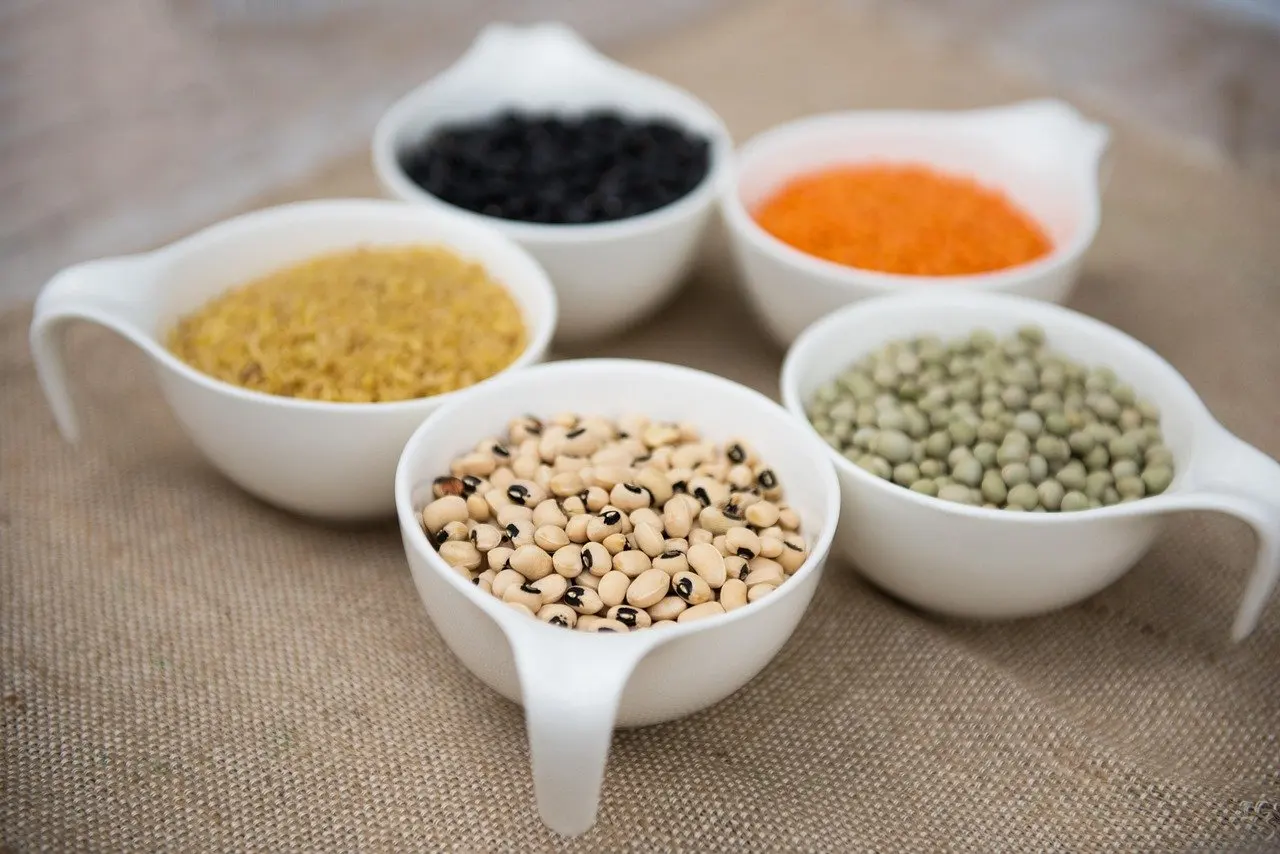
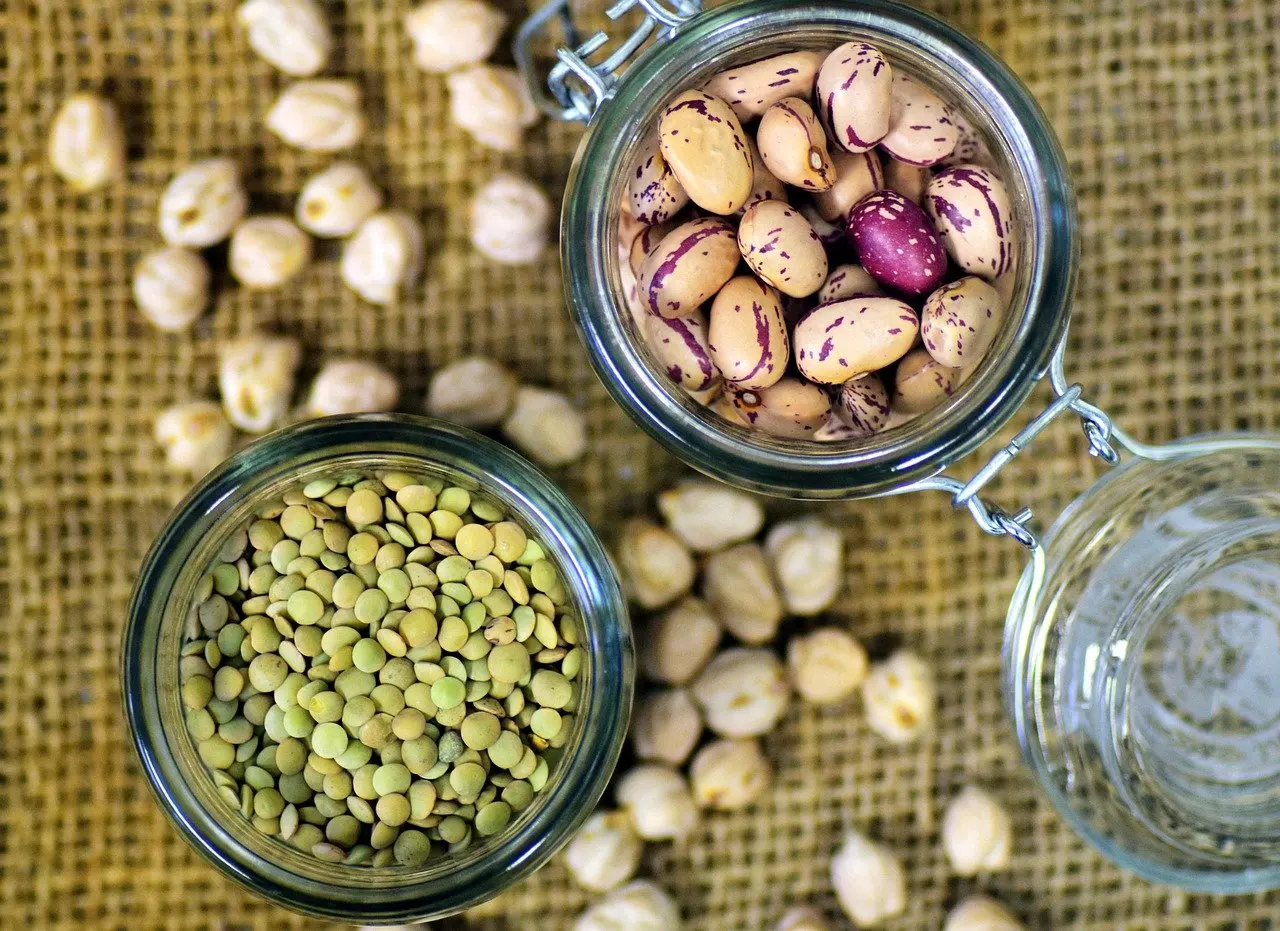
Lentils, beans and chickpeas are different legumes from peas, and the supplied recipes give no timings or quantities for them in this soup. A cook who wants to try them is on their own with the clock. Begin with the mash test, keep the pork and stock the same, and expect a soup that no longer tastes like yellow pea soup.
Storing leftovers
Pea soup is a good make-ahead dish. The Michel Dumas recipe advises keeping it refrigerated for 3 to 4 days, or freezing portions for up to 3 months for best quality. Another published recipe is more cautious on the fridge and says leftovers keep up to 3 days in an airtight container. When two sources differ, use the shorter window.
Freezing in portions makes sense for a batch that serves 10, because each container can be thawed on its own. The soup also fits a larger spread: the harvest festival menu ideas page shows where a pot like this can anchor a table, and the quebec seasonal produce calendar helps decide which fresh vegetables to soften in the pot.
Frequently asked questions
Does Quebec-style pea soup need cream?
No. Fully cooked split peas thicken the soup themselves, and smoked pork adds the richness, so the recipe leaves cream out.
How do I reheat frozen pea soup?
Thaw it in the refrigerator, then reheat thoroughly, stirring and adding a little water or stock to loosen it.
Can I make the soup meat-free?
Yes. Omit the pork, use vegetable stock and soften the vegetables in 2 tablespoons of olive oil, as the Michel Dumas recipe suggests. A published ham hock version makes the same change with vegetable broth in place of chicken broth.