| Reader situation | Dish | Keeping step | Planning use |
|---|---|---|---|
| Apples from an orchard trip | Apple preserve or cooked apples | Water bath only for high-acid foods (pH lower than 4.6); jars boil at least 10 minutes at 100°C | Choose apples for jars only when the recipe is high-acid, and keep the boiling time as written. |
| Potluck or harvest festival table | Fermented fall salsa | Counter for 2-3 days, then fridge; leave about 6 months; use within a month of opening | Start a batch weeks ahead and keep a jar sealed until the gathering. |
| Heavy stew night | Squash and root vegetable stew | Serve fresh; acidity decides the canning method if jarred | Cook it for the table first and treat jarring as a separate, stricter project. |
Figures above come from a Canadian water bath canning guide and the A Rocha fall harvest recipes page.
The fall recipes Quebec produce supports best are apple, pumpkin and squash dishes, each paired here with the storage or canning step it needs.
This list sits inside our wider guide to seasonal recipes quebec, and it is grouped by the situation you are cooking for rather than by ingredient alone.
Apple dishes from the orchard haul
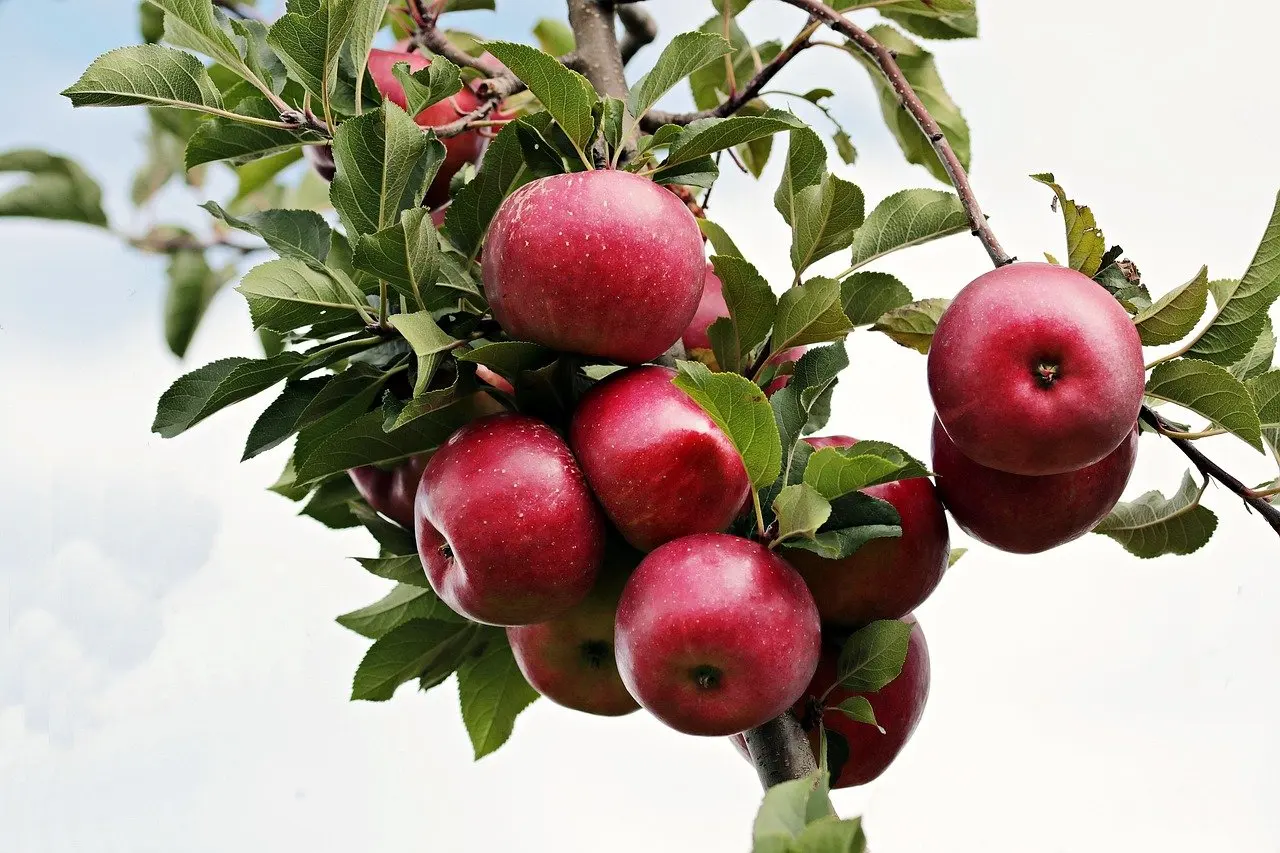
Apples suit both everyday cooking and long-term keeping, and the choice depends on how many you are carrying home. A small bag belongs in the oven or pan this week. A full crate justifies jars, provided the recipe is acidic enough for a water bath.
Everyday apple cooking
Apples are one of the more forgiving fall ingredients. Cook them down gently into a spoonable compote, bake them whole or in halves until soft, or fold them into a squash stew so their sweetness balances savoury roots. This approach answers the common question of how to cook with fall apples: pick the dish first, then let the fruit’s firmness guide how long it stays on the heat.
This route suits households that want dinner tonight and a little left over for breakfast. It asks nothing of you beyond a pan and some patience. Its limit is that nothing is preserved, so buy only what you can eat within a few days.
Apple preserves for the shelf
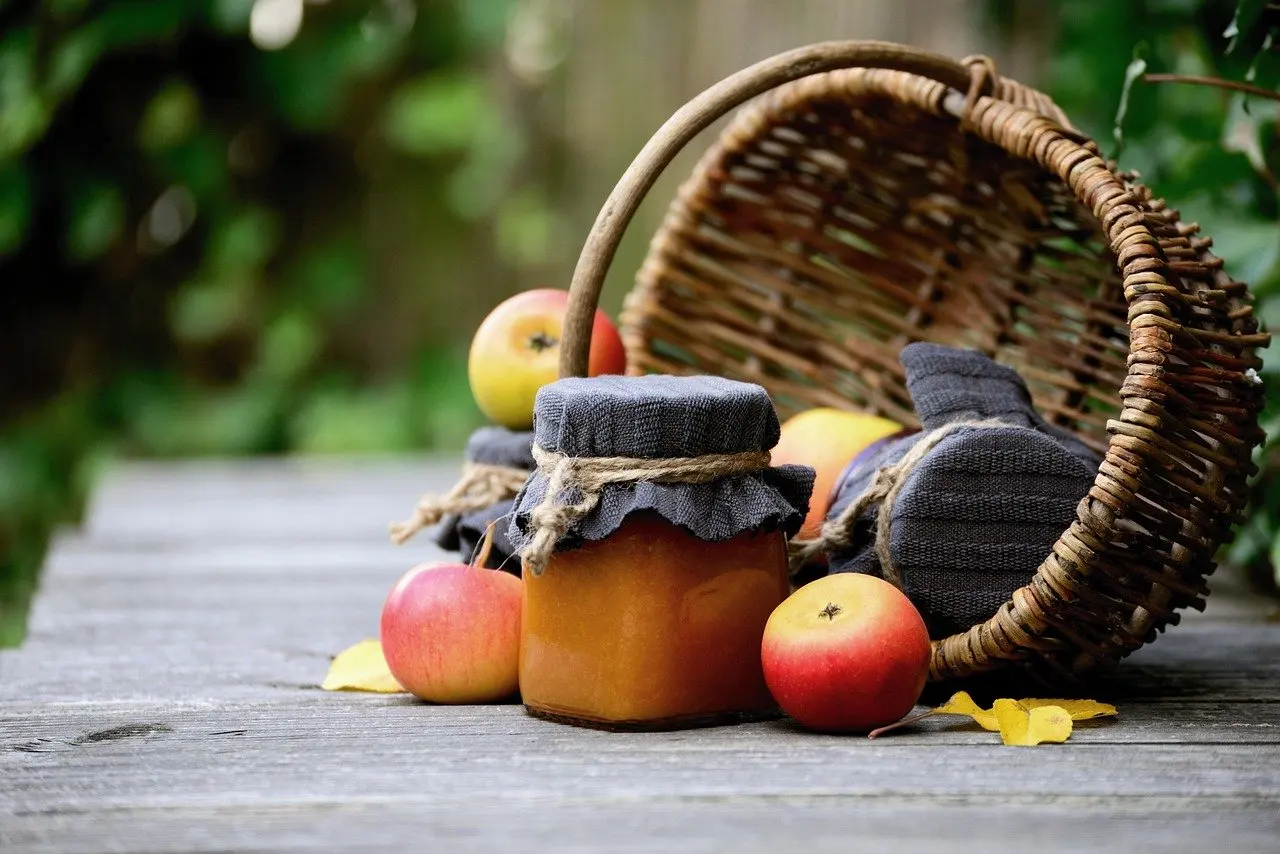
Apple preserves are where cooking meets canning. A Canadian water bath canning guide explains that the method is limited to high-acid foods, meaning a pH lower than 4.6, and that jars are boiled for a minimum of 10 minutes at 100°C. The same guide notes that underripe apples can act as a pectin substitute, which makes a few hard, early apples useful in fruit preserves that need help setting.
This option suits cooks with a large pot, proper canning jars and a free afternoon. It does not suit anyone who wants to improvise: the minimum boiling time is a floor, not an invitation to experiment. Flip-top or clip-top jars and sealing wax are ruled out by the same guide, so the right equipment has to be in hand before the apples are peeled.
Home-canned goods keep, but the guide cautions that colour and texture may begin to deteriorate after about a year. Make jars you expect to open within the coming year rather than a stockpile for several seasons.
Pumpkin and squash for cold evenings
Pumpkin and squash carry the heavier fall meals. They reward simple cooking, and they are the dishes most likely to be eaten fresh rather than jarred.
Roasted pumpkin for the table
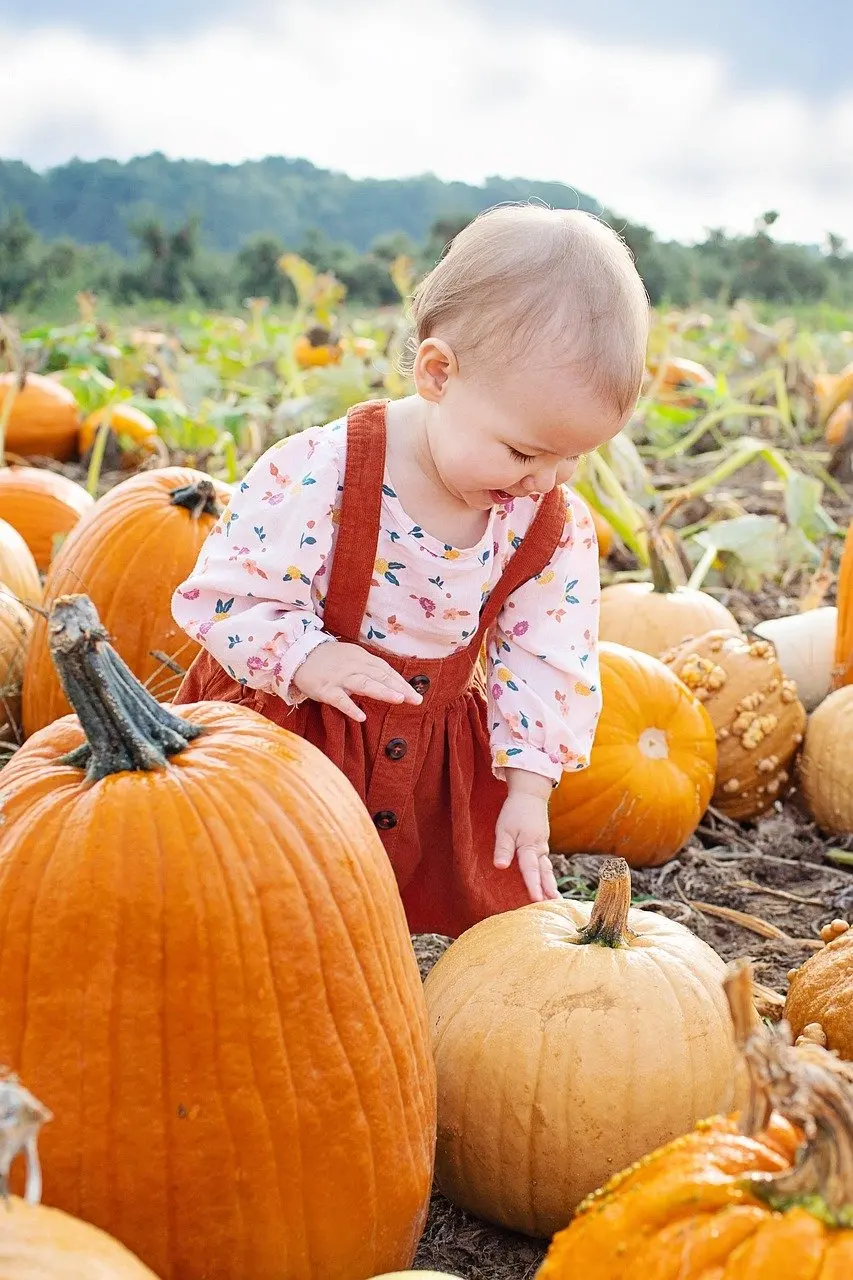
Roasting concentrates flavour and needs little more than a sharp knife and a hot oven. A roasted pumpkin works as a centrepiece for a seasonal table, as a base for soup, or as a side next to apple dishes. It suits cooks who want one impressive item without a long ingredient list.
The trade-off is that a whole roasted pumpkin makes a large amount at once. Plan it for a gathering or for several meals across the week, and do not assume it can be turned into a jar of something safe. Low-acid foods are the group that needs different handling, covered in the canning section below.
Squash and root vegetable stew
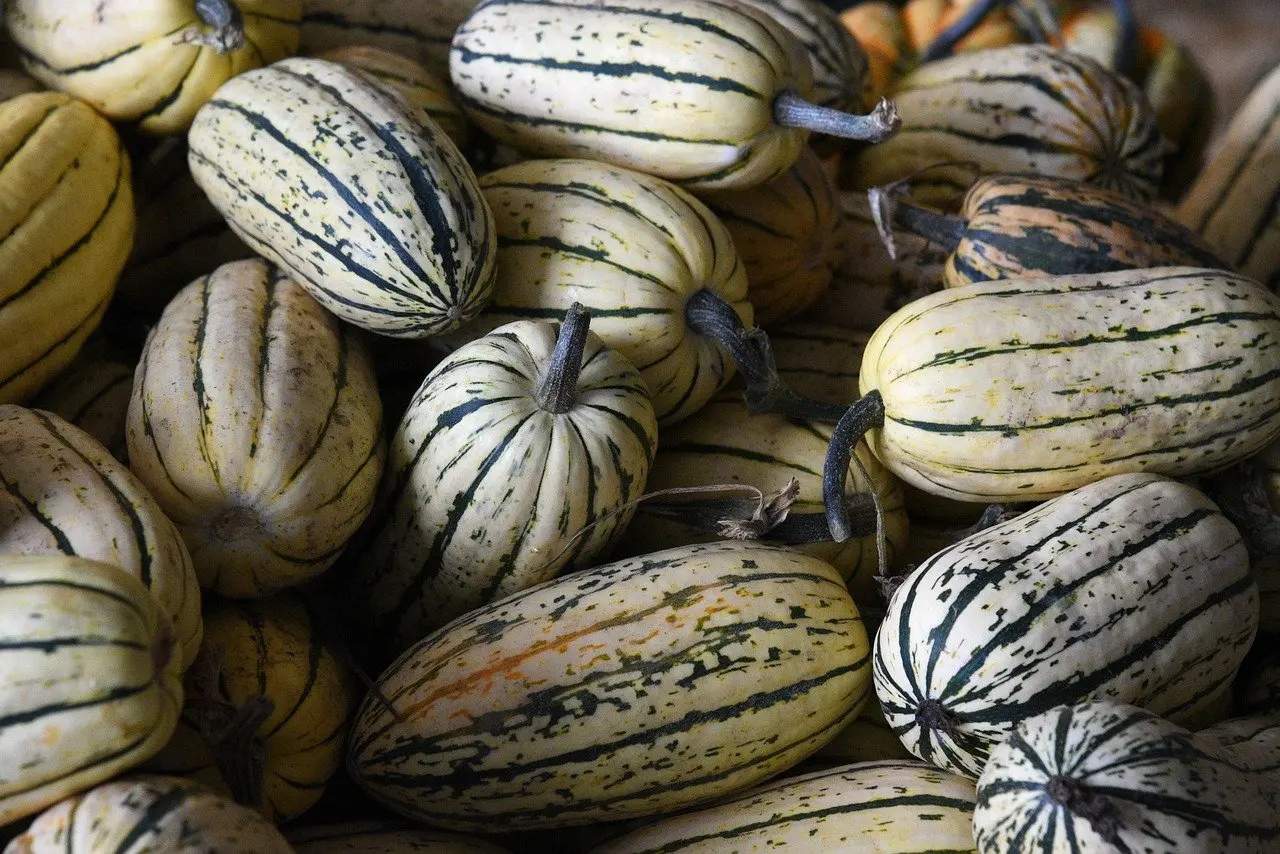
A pot of squash and root vegetables is the most practical hearty fall dish: one pot, inexpensive vegetables and easy scaling. Add a chopped apple near the end for a hint of sweetness and acidity. This is the dish for a cold weeknight or a family meal where everyone eats at once.
Its limit is storage. A stew mixes several vegetables, so it should be eaten fresh or handled according to the strictest rule that applies to any ingredient in it. Treat jarring a stew as a separate project that follows tested canning instructions, not a convenient way to deal with leftovers.
Harvest festival dishes to share
Harvest festival cooking favours dishes that travel, feed many people and can be prepared ahead. That points toward preserved and fermented items rather than last-minute plates.
Fermented salsa for a potluck
A Rocha’s fall harvest recipes page describes a fermented salsa with clear storage guidance: leave it on the counter for 2-3 days, then move it to the fridge, leave it for approximately 6 months, and use it within a month of opening. The timeline makes it a planning dish. Started well before an event, it arrives ready, and a sealed jar makes an easy contribution to a shared table.
It suits people who like a tangy, uncooked condiment and have fridge space for jars. It does not suit those who need something ready the same day. The same page also notes that the Take Root Festival, a Manitoba event, offered over 20 workshops on subjects from herbs to butchery to cob building, which shows how much festival culture centres on shared skills as well as food.
Building a festival menu
For a harvest festival table, combine one fresh dish, one preserved item and one sweet. A roasted pumpkin or stew gives warmth, the salsa adds acidity, and an apple dessert closes the meal. This balance keeps work spread across days instead of crammed into one afternoon, and it means that most of the menu is already finished when guests arrive.
Canning rules that protect the harvest
Canning is an important, safe method of food preservation if practised properly, according to the National Center for Home Food Preservation. The conditions matter more than the recipe.
- Know what a pressure canner does. It raises the temperature at which water boils from 100°C to 116°C, which is why it can do what a boiling pot cannot.
- Keep the tested time. Processing times are based on extensive research and should not be shortened, even when a batch looks done sooner.
- Adjust for elevation. Higher elevations often require different processing times or pressures, so check the instructions for your location before you begin.
- Let the seal form. As the jar cools, a vacuum seal develops and prevents air from getting back into the product.
Use these rules to sort your harvest before you start. Apple preserves and similar acidic recipes belong in the water bath. Squash, root vegetable and mixed vegetable preparations need a pressure canner and a tested recipe, or they should be eaten fresh. If you have neither a pressure canner nor a tested recipe, skip jarring and cook for the table.
Carrying the season forward
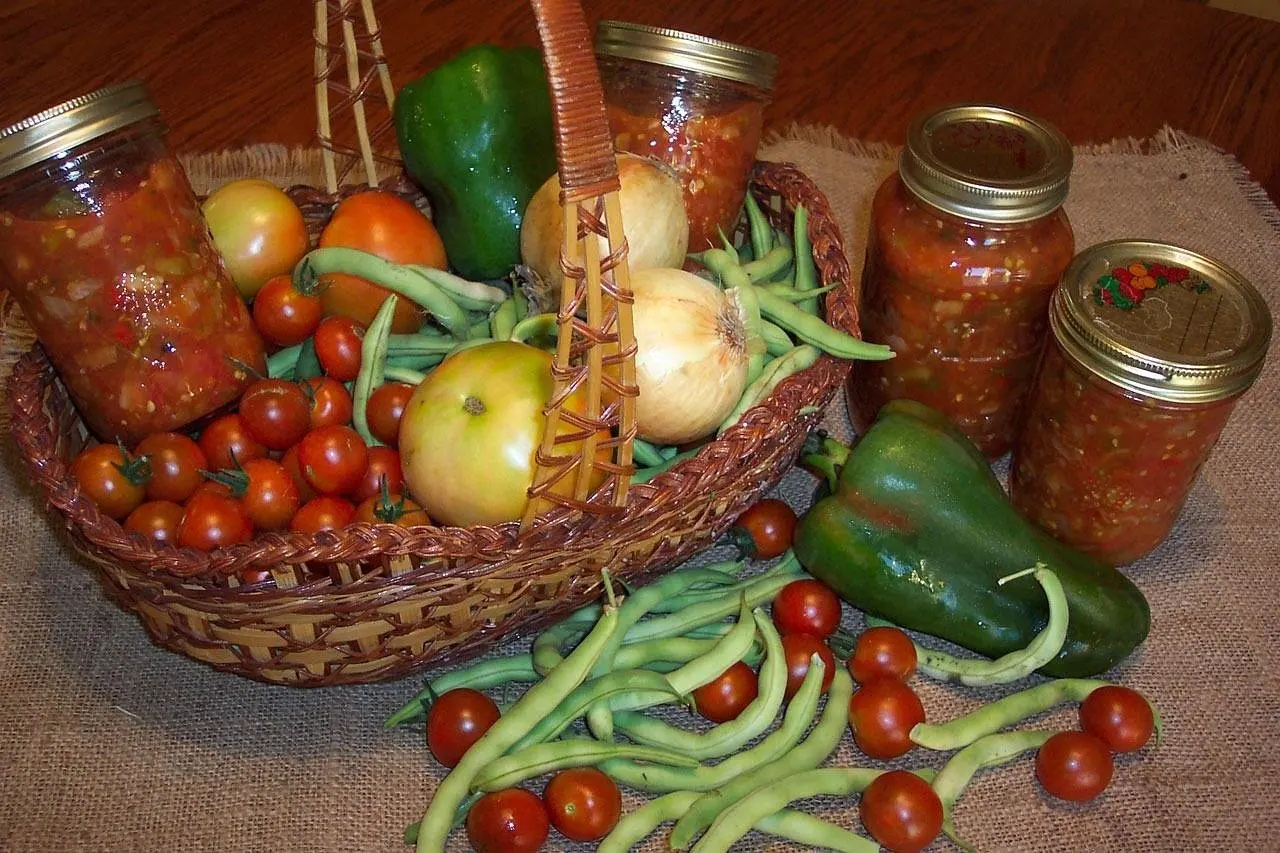
Fall cooking sits between the end of the garden and the start of storage. Early-season crops such as tomatoes, green beans and peppers, covered in our summer recipes quebec vegetables guide, are the ones many cooks start canning first. When the cold settles in, the stews and roasted dishes above lead naturally into our winter recipes quebec root vegetables collection.
Frequently asked questions
| Question | Answer |
|---|---|
| Can I use any jar for canning? | No. Use jars made for canning; flip-top and clip-top jars and sealing wax are not suitable. Discard jars with cracks, chips or other damage that could prevent a proper seal. |
| How long do home-canned goods keep? | They keep, but colour and texture may begin to deteriorate after about a year, so plan to open jars within that time. |
| When should canned food be thrown away? | Discard it if the container is leaking, bulging or swollen. |
| How do I keep a harvest-festival dish ahead of time? | A fermented salsa can be started in advance: counter for 2-3 days, then the fridge, with about 6 months before it is ready and use within a month of opening. |