For winter recipes, Quebec root vegetables work best when the method matches the root: braise daikon, roast sweet potato and garlic, marinate carrots, or shape russet potatoes into gnocchi.
Quick answer: pick the braise for a stew-style pot, the marinated carrots for a make-ahead side, the roasted sweet potato and garlic for low-effort cooking, and the gnocchi for a project weekend. More seasonal ideas sit in the seasonal recipes quebec collection, and roots bought at harvest are covered in fall recipes quebec produce.
Choosing a root recipe for a winter evening
Picture a cold evening with a daikon, a bag of carrots and a sweet potato on the counter. The right recipe depends mostly on how much time the cook has and whether the dish should be ready now or tomorrow. Starchy roots are versatile: as Experience Life notes, roasted or raw they can transform both savory and sweet dishes. That flexibility is why one shopping bag can cover several different meals across a winter week.
| Recipe | Main root | Key timing or quantity | Planning use |
|---|---|---|---|
| Braised daikon soup | Daikon | 4 servings; prep 10 minutes; cook 45 minutes | A weeknight pot that needs little preparation but a long, gentle cook |
| Marinated shredded carrots | Carrots | 4 cups shredded carrots; marinate at least four hours or overnight; pan-cook about seven to 10 minutes | Start the day before, finish quickly when hungry |
| Roasted sweet potato | Sweet potato | 400 degrees F; about 35 minutes | Hands-off side or base for other dishes |
| Roasted garlic | Garlic | About 35 minutes, until soft and golden | Cook alongside the sweet potato to use the oven once |
| Potato gnocchi | Russet potato | 2 large russet potatoes per batch | A weekend project built on a pantry staple |
These figures come from the root-vegetable recipes published by Experience Life.

Braised daikon soup for a stew-style pot
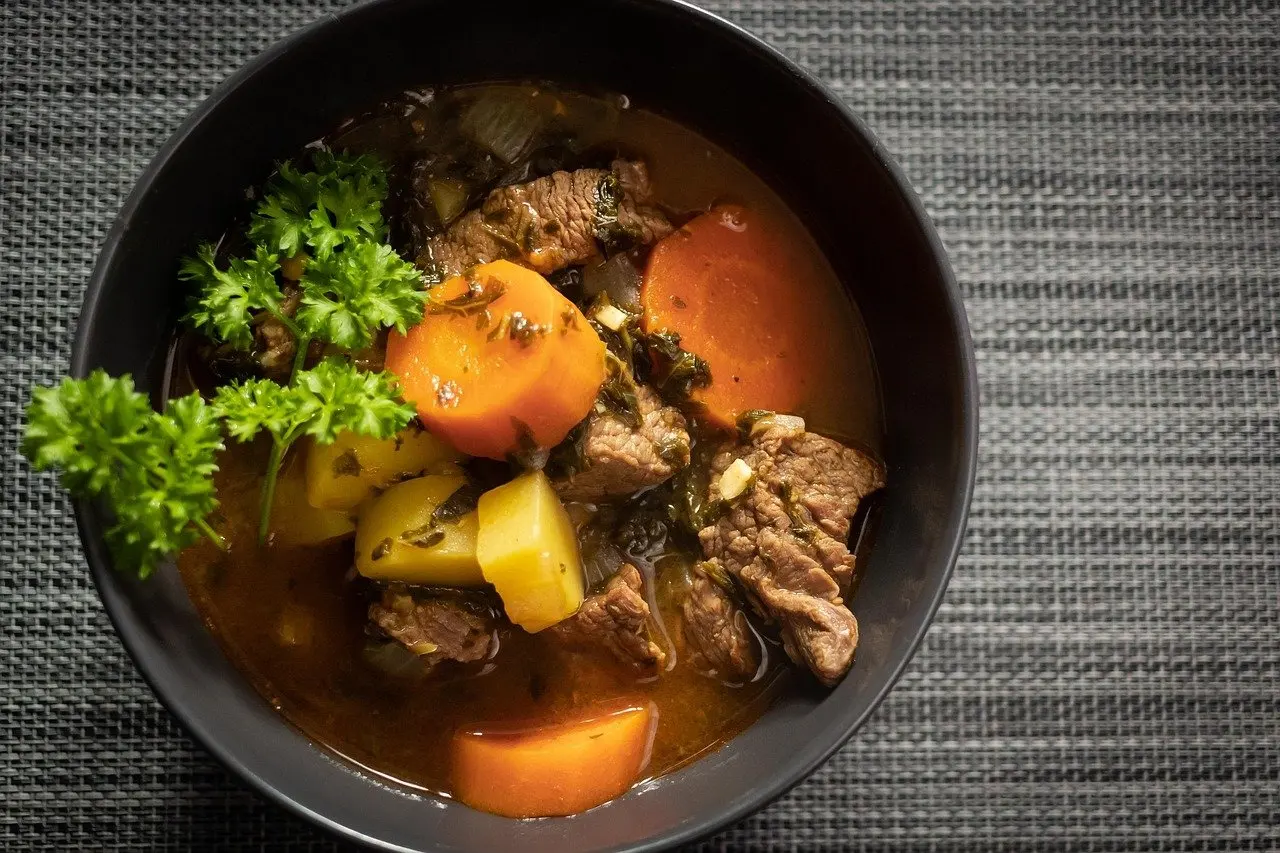
Braised daikon soup is the closest option here to a hearty winter stew. Experience Life lists it as making 4 servings, with 10 minutes of prep and 45 minutes of cooking, and it says to braise the daikon until tender, about 40 minutes. The time is mostly unattended, which suits cooks who want a pot simmering while they do something else.
This recipe suits anyone who finds beef stew too heavy or wants a lighter, broth-led bowl. Its limit is that daikon is a milder, more watery root than the potatoes and carrots found in classic stews. Cooks who want a thicker, starchier result can add potato or carrot to the pot, and the same braising logic applies: keep the heat gentle and test for tenderness rather than trusting the clock alone.
For other brothy options, the quebec vegetable soup recipes list gives more ways to use the same roots.
Marinated and pan-cooked carrots
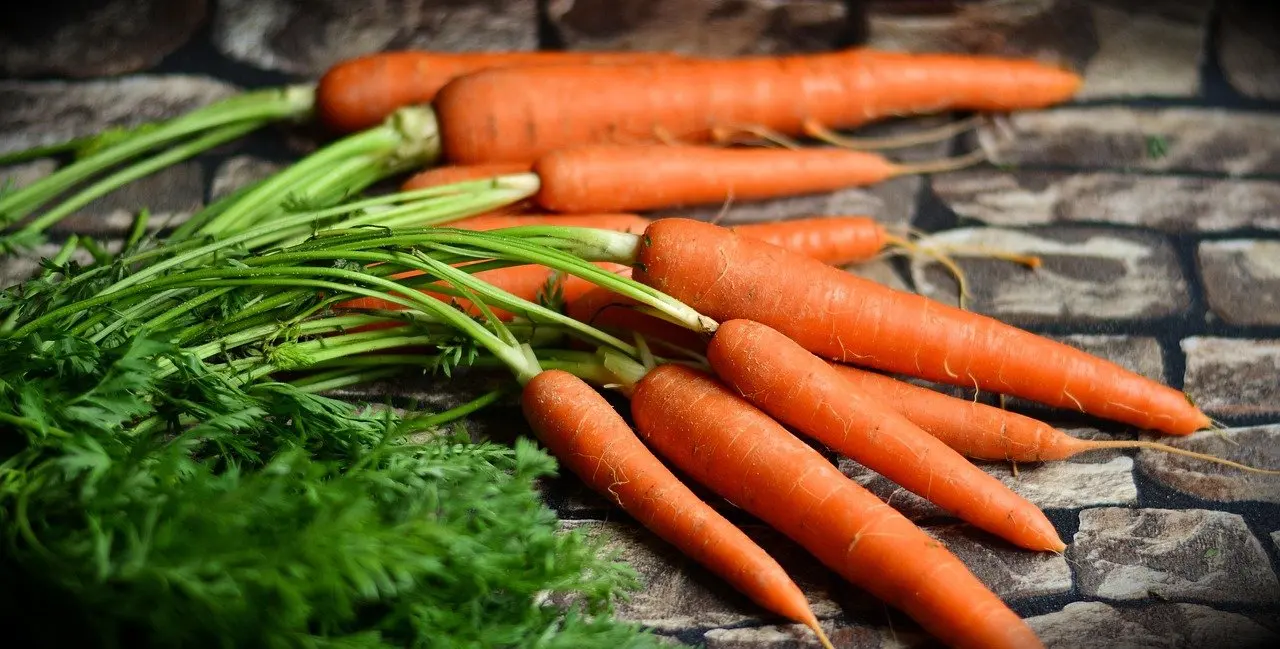
Carrots are the most forgiving root in this list, and Experience Life’s shredded-carrot recipe uses 4 cups of shredded carrots with 2 ribs of roughly chopped celery and 1 cup of water. The mixture is covered and marinated overnight or for at least four hours. It is then cooked over medium heat until the edges begin to brown and crisp, about seven to 10 minutes.
This is the best choice for a cook who plans ahead. The long marinade does the work, and the final pan time is short enough for a weeknight. It is a poor fit for last-minute cooking, because skipping the marinating time defeats the point of the recipe. Shredding also makes older carrots from storage easier to use, since the texture matters less than in a raw stick.
Roasted sweet potato and garlic
Roasting is the simplest method in this group. Experience Life gives the sweet potato roast as about 35 minutes at 400 degrees F on a sheet pan, until tender, and the garlic roast as about 35 minutes, until the cloves are soft and golden. The matching times mean both can share one oven session.
This pairing suits anyone who wants flavor without attention. Roasted sweet potato works as a side, a base for bowls, or a sweet-leaning dish, and the soft garlic can be squeezed into mashes, spreads or soups. The limit is that roasting gives no sauce or broth, so it pairs best with something moist, such as the braised daikon above.
Potato gnocchi from russets
Gnocchi is the project recipe in the list. Experience Life’s version starts with 2 large russet potatoes and 1 cup of semolina flour per batch. It turns an everyday storage potato into something worth a weekend afternoon.
It suits cooks who enjoy hands-on work and want a main dish from a single root. It is not the choice for a rushed evening. If time is short, roast the potato instead and serve it with the garlic.
Prepping and keeping roots at home
Storage decides how long these recipes stay available. A cellar is the usual home for winter roots, but cooks without one can preserve prepared vegetables by freezing. The University of Maine Cooperative Extension says freezing retains the nutrition and flavor of many fruits and vegetables, and that for best quality vegetables should be blanched before freezing to preserve color and texture.
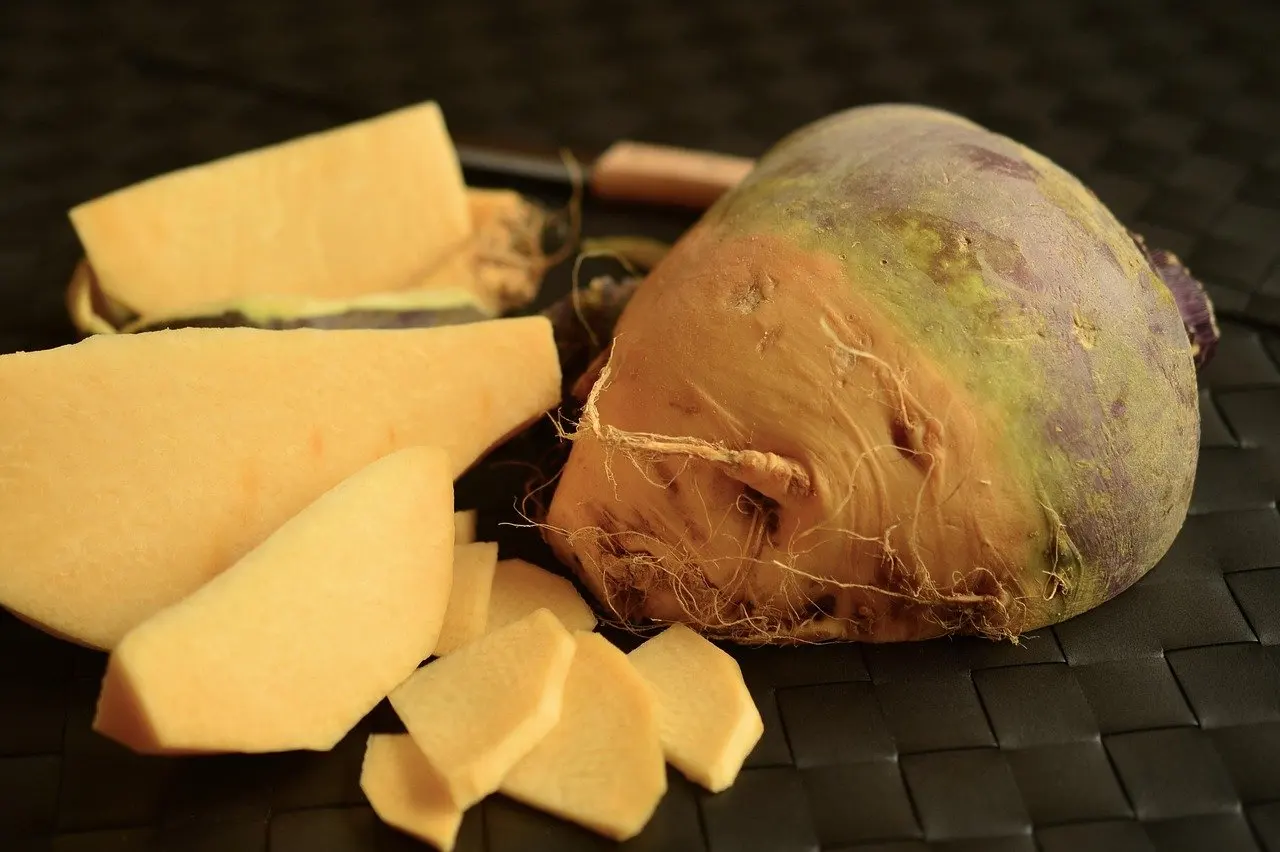
In practice, that means cutting roots as the recipe needs, blanching them, and freezing them in portions ready for a stew pot. Extension also notes that spinach, kale and chard freeze well after a quick blanch and squeeze dry, so greens can join the same freezer shelf. Drying is described as one of the oldest ways to preserve food, though it suits herbs and sliced tomatoes better than whole roots.
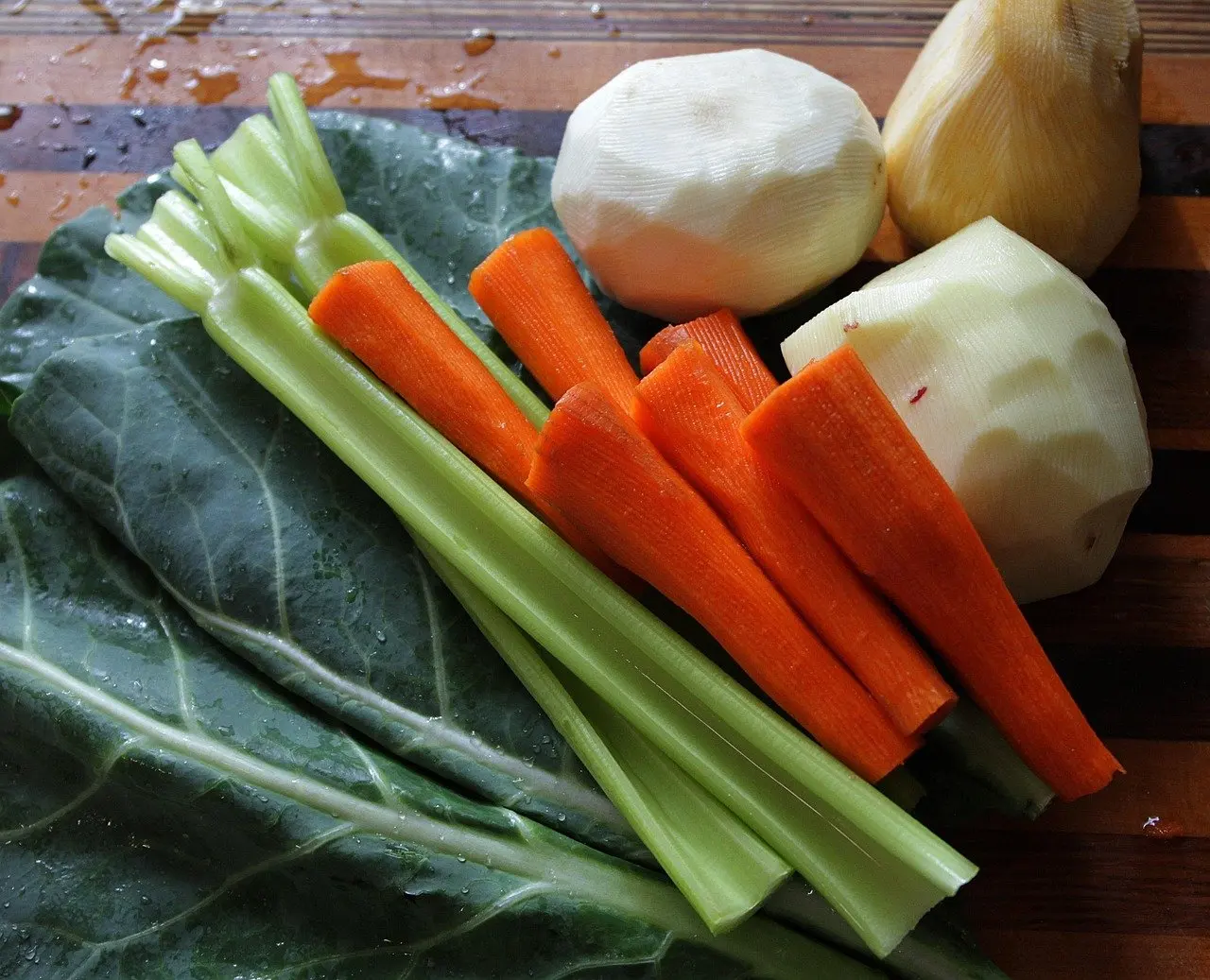
Decision checklist
- Check the clock. If dinner is soon, roast sweet potato and garlic; if there is a whole afternoon, make the gnocchi.
- Plan the night before. Marinate the shredded carrots if a side is wanted the next day.
- Choose broth or no broth. Braise daikon for a soup-style pot; roast for a dry, concentrated dish.
- Match the batch to the household. The daikon soup makes 4 servings, so double only if leftovers are wanted.
- Freeze extras. Blanch prepared roots before freezing so they keep their color and texture.
Frequently asked questions
Which recipe needs the most advance planning?
The marinated carrots, because the shredded mixture needs at least four hours, or overnight, before it is pan-cooked.
Which dish works best as a hearty stew?
The braised daikon soup, which Experience Life lists at 4 servings with 45 minutes of cooking. Adding carrot or potato makes it thicker.
Are root vegetables only for savory cooking?
No. Experience Life describes starchy roots as versatile enough to transform both savory and sweet dishes, whether roasted or raw.
Can roasted garlic and sweet potato share an oven?
Yes. Both are listed at about 35 minutes, so they can cook in the same session.