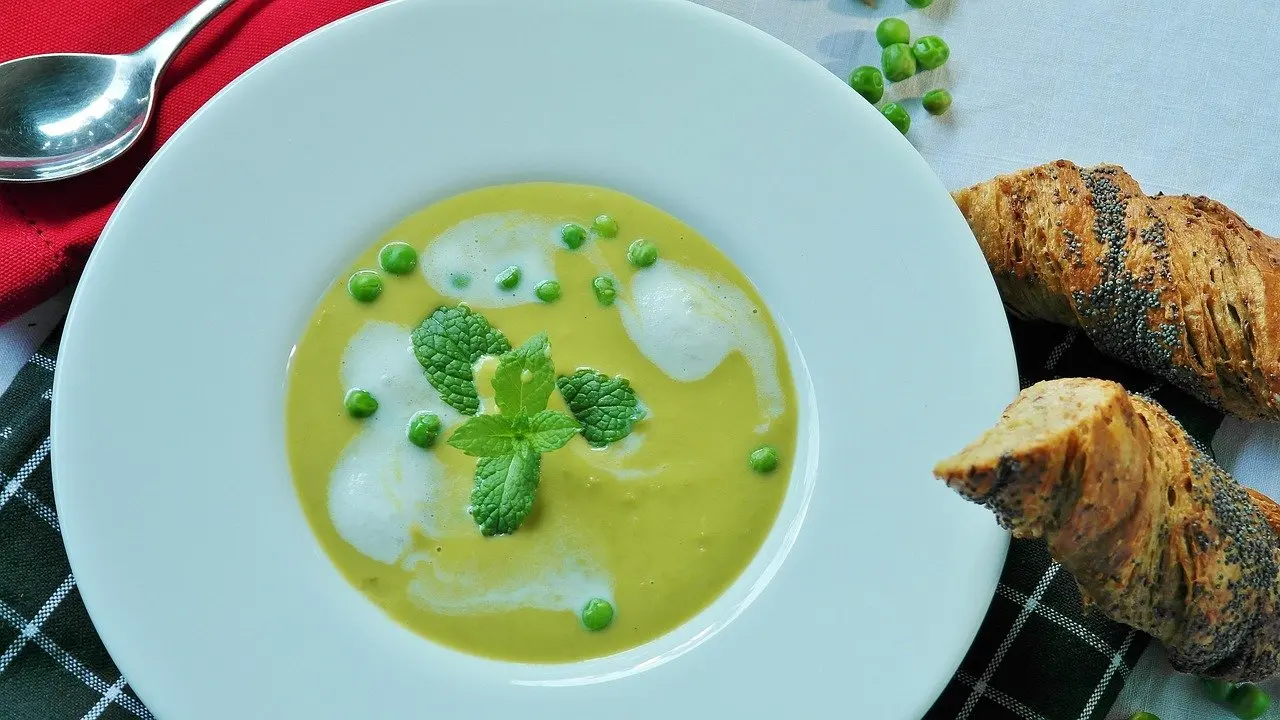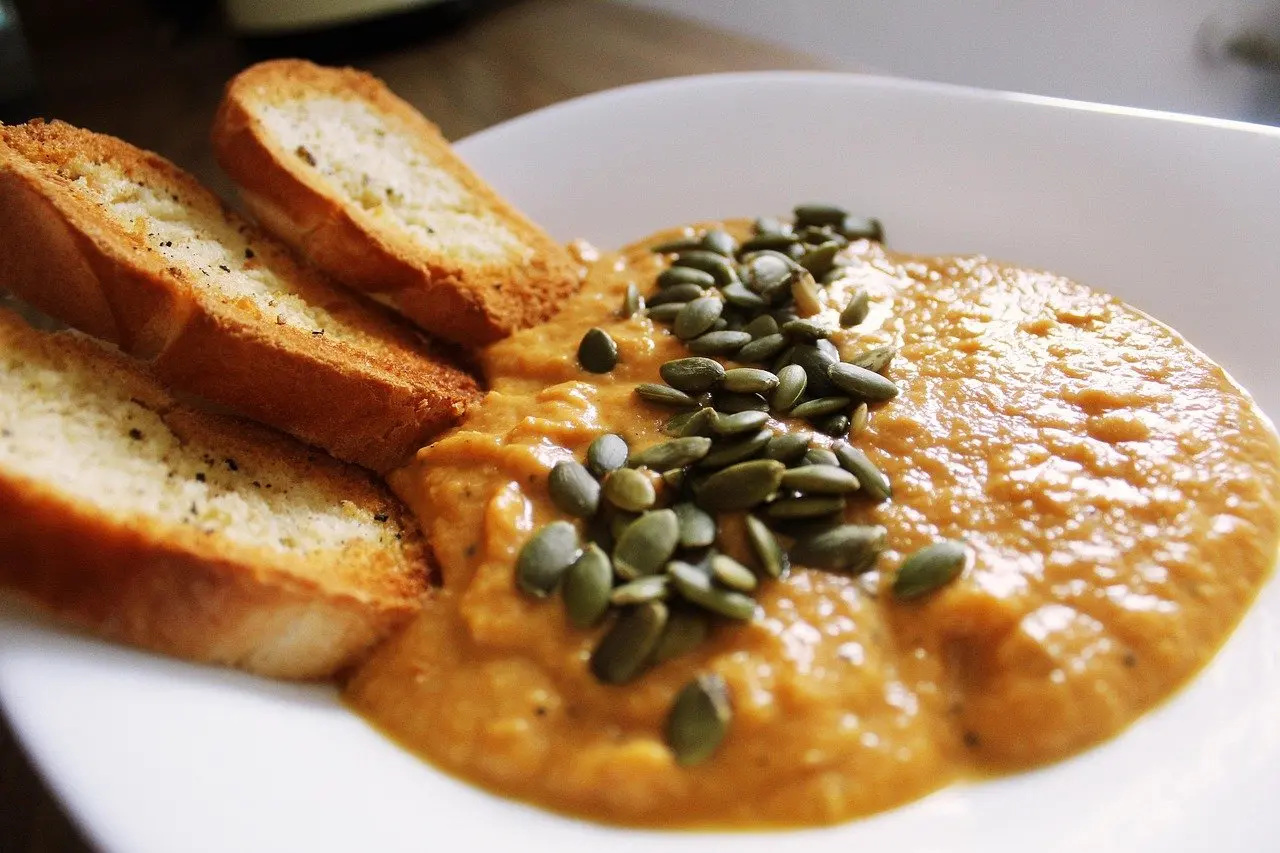
Quebec vegetable soup recipes range from a long-simmered pea soup to a quick root vegetable potage and a smooth pumpkin soup. No single soup ranks first. Choose by the time available and the vegetables on hand.
These soups also fit the wider seasonal recipes quebec collection, where each dish follows what the local harvest offers.
How to choose a soup
The soups below are not ranked, because the facts that matter (time at the stove, main ingredient and how filling the bowl is) point to different cooks rather than one winner. Use these criteria in order to narrow the choice.
- Time available. Pea soup asks for a long, low simmer. A root vegetable potage is ready much sooner.
- Main ingredient. Dried peas and ham suit a hearty main course. Roots and pumpkin suit a lighter, smoother bowl.
- Season. Roots store well through winter, while pumpkin belongs to autumn.
- Batch size. Pea soup and potages both scale up for freezing and reheating, which is why the storage notes near the end apply to all of them.
Soupe aux pois québécoise
What traditional Quebec pea soup is
Traditional Quebec pea soup is a rich golden porridge made from whole yellow peas, known as soup peas, and flavoured with meat, according to a French Canadian pea soup recipe. The base combines dried yellow peas, ham and root vegetables. That recipe calls for 2 pounds (1 kg) of dried yellow peas, a quantity that makes a large family pot rather than a single supper.
The soup suits cooks who want a filling main dish and have an afternoon at home. It is a poor fit for a rushed weeknight, because the peas need hours rather than minutes to break down into a thick, spoonable soup.
Soaking and cooking times for yellow peas
Soaking the dried peas is optional. The recipe’s author does not soak them, noting that most authorities consider soaking unnecessary. Cooks who do soak can cut the first cooking time by about half an hour.
The stovetop schedule has two stages. First, simmer gently on low heat, covered, for 1.5 hours. Then return the pot to a low simmer, uncovered, for another 1 hour, adding a bit of water as needed. The uncovered stage thickens the soup, so the water top-up is what keeps it from catching on the pot.
Potage aux légumes racines
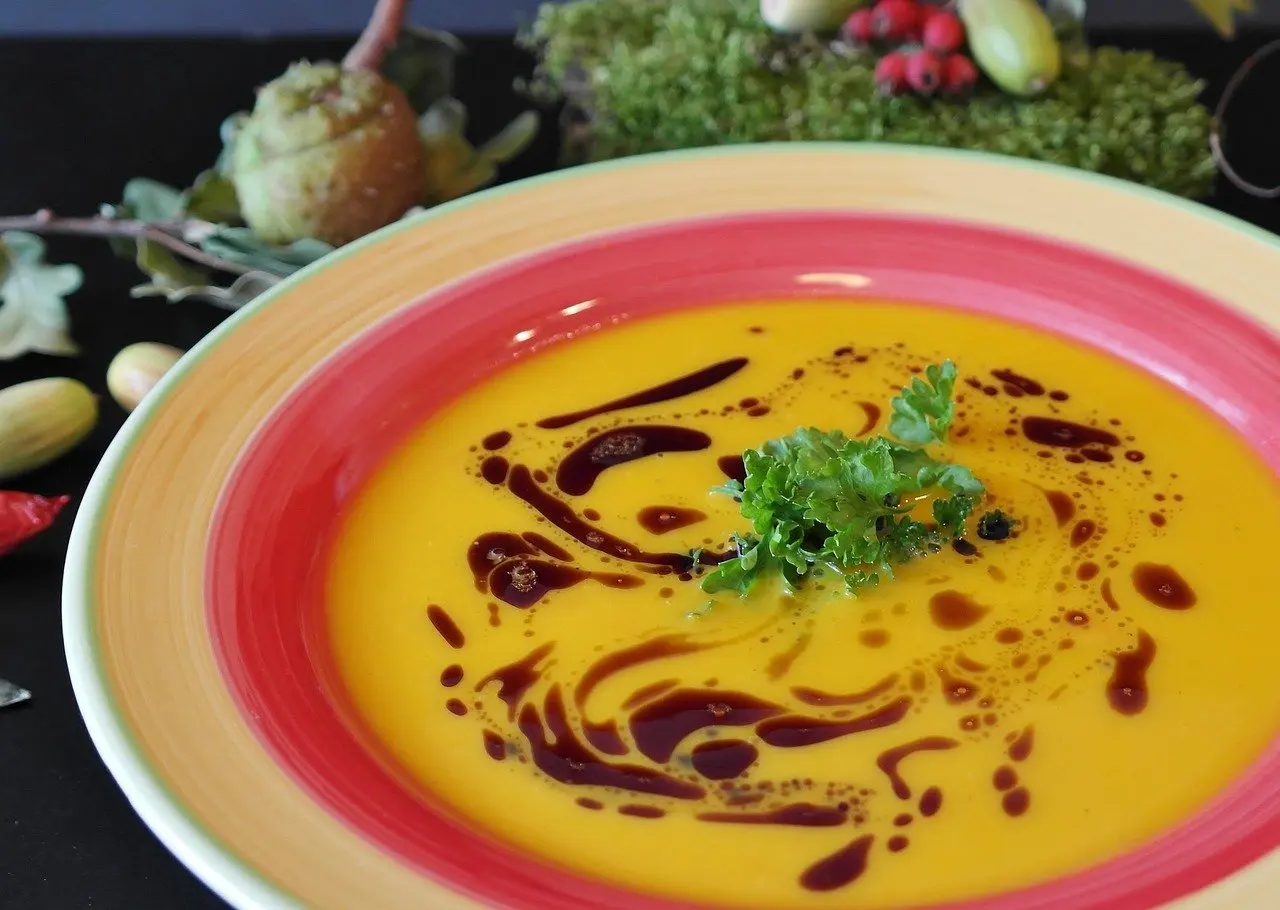
A potage aux légumes racines is a smooth or lightly mashed soup built on root vegetables, and it is the quickest of these soups. Choose it when carrots, turnips and potatoes are what the cold cellar or the weekly basket holds.
How to make a root vegetable potage
A simple vegetable soup recipe from Portuguese Recipes shows the pattern. Follow the same order for any root potage.
- Chop the roots evenly. Pieces of similar size finish at the same time.
- Add the vegetables and a herb sprig to the pot. The recipe uses a mint sprig.
- Simmer for 30 minutes or until the vegetables are tender. Tenderness, not the clock alone, signals that the pot is done.
- Purée if a smooth potage is wanted. A hand blender works directly in the pot. Leave the soup chunky for a more rustic bowl.
Variations for winter roots
Celery root, also called celeriac, brings a nutty flavour and pairs with apples in a soup listed by Canadian Living. It is a good swap for part of the potatoes when a sweeter, more distinctive potage is wanted. For more ways to cook the same vegetables beyond soup, see these winter recipes quebec root vegetables.
Pumpkin soup for autumn
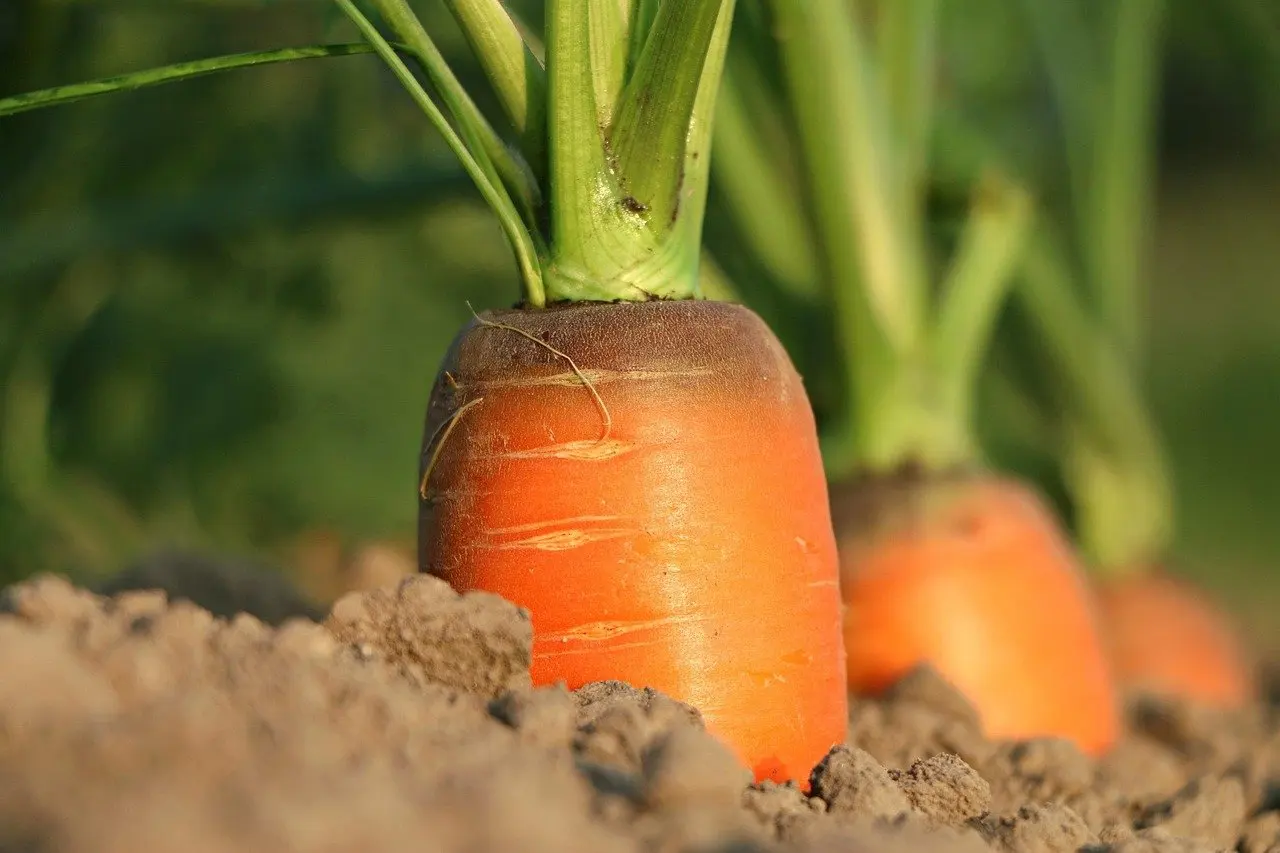
Pumpkin soup is the smooth, golden option among Quebec-style soups. It suits cooks who prefer a creamy texture without a long simmer, and it works as a first course as much as a main with bread.
The method mirrors the root potage. Cut the pumpkin into pieces, simmer it with an onion until tender, then purée until smooth. Finish each bowl with a swirl of cream, chopped chives or toasted pumpkin seeds, which add a crunch against the soft texture.

A limit to keep in mind: pumpkin soup alone is lighter than pea soup. Serve it with toasted bread, or add beans or a grain if it needs to be a full meal.
Comparing the soups
| Soup | Core ingredients | Time shown in the recipe | Planning use |
|---|---|---|---|
| Soupe aux pois | 2 pounds (1 kg) dried yellow peas, ham, root vegetables | 1.5 hours covered, then 1 hour uncovered; soaking optional | A weekend pot for a crowd |
| Root vegetable potage | Carrots, turnips and other roots | 15 min prep, 45 min cooking, 1 h total | A weeknight soup from stored roots |
| Pumpkin soup | Pumpkin, onion, cream or seeds to finish | Cook until the pumpkin is tender | An autumn starter or light lunch |
Times and quantities for the pea soup come from a French Canadian pea soup recipe, and those for the root potage from a simple vegetable soup recipe.
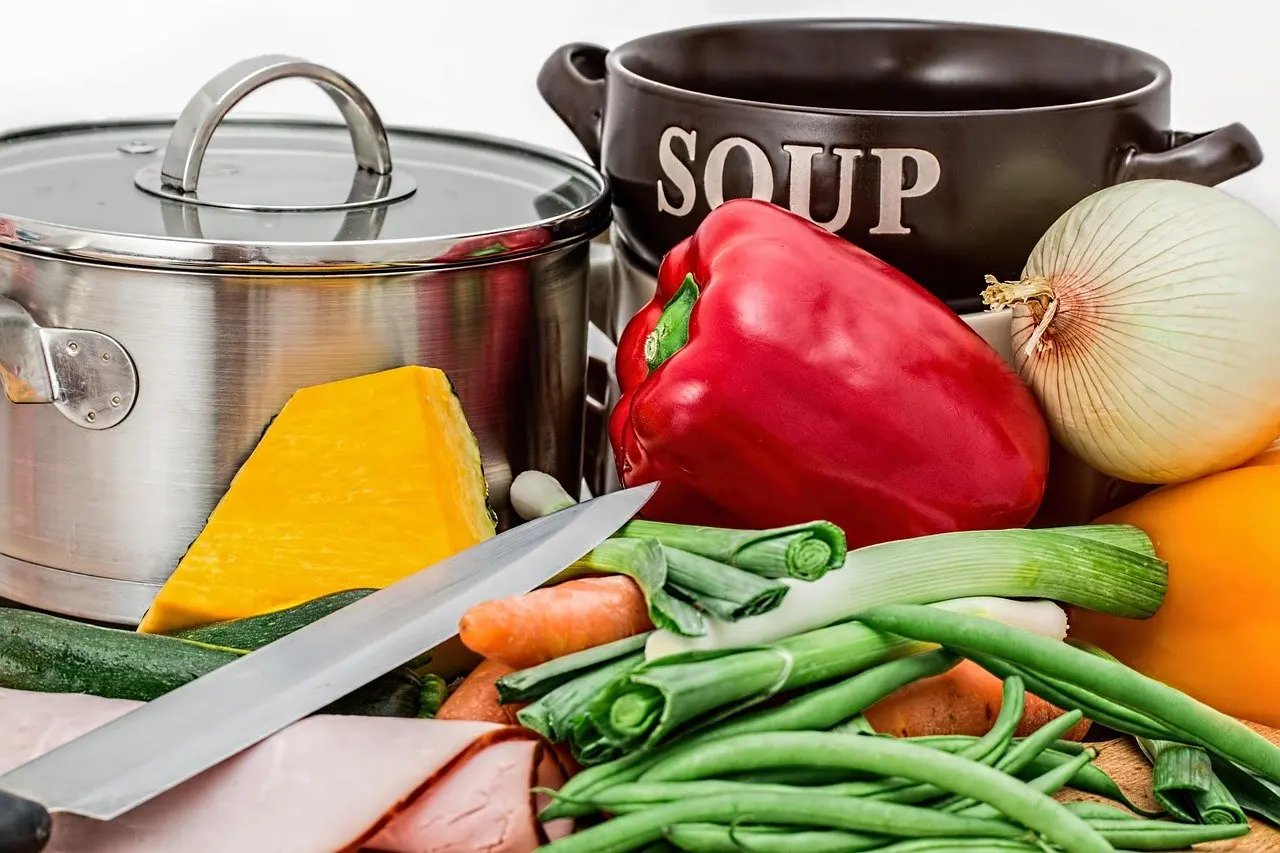
For a first batch, the root potage is the lowest-risk choice. Cooks with a free afternoon get the most character from the pea soup. Pumpkin soup is the easiest to adapt to whatever garnish is in the kitchen. Gardeners with a summer surplus can turn to zucchini recipes quebec for a different use of the harvest.
Cooling, storing and reheating batches
These soups are made in large pots, so safe handling after cooking matters as much as the recipe. Exact times and temperatures for cooling, refrigerating and reheating are set out in current guidance from Health Canada and MAPAQ, and that guidance should be followed over any rule of thumb.
In practice, the direction is consistent across home food safety advice. Do not leave a full pot sitting on the stove to cool slowly. Divide the soup into shallow containers so the heat leaves quickly, refrigerate it, and reheat only the portion about to be eaten until it is steaming hot throughout. Garnishes such as cream, chives, seeds or herbs belong on the bowl at serving time rather than in the stored batch.
Pea soup and pumpkin soup are the best candidates for a make-ahead batch, since both suit a full pot. Cooks who prefer smaller quantities can halve a potage and avoid leftovers altogether.
Frequently asked questions
Which soup suits a first-time cook?
The root vegetable potage. Its short cooking time and simple steps leave little to go wrong, and tenderness of the vegetables is the only doneness test.
Can celery root go into a soup?
Yes. Celery root, also called celeriac, has a nutty flavour, and Canadian Living lists a soup that combines it with apples.
Where can I find more soup ideas?
A soup search on Canadian Living returns 108 recipes, which is enough to cover most vegetable, legume and cream-style variations.
Where do I check safe cooling and reheating limits?
Health Canada and MAPAQ publish the food safety guidance for cooling, storing and reheating cooked dishes. Use their current figures for any large batch.