This Quebec seasonal produce calendar orders crops by when harvest begins, from July carrots to September celeriac. The windows come from a Montreal planting calendar, so treat them as a guide that shifts with variety and planting date.
Cooks who want to turn these windows into dishes can move on to seasonal recipes quebec, which builds menus around what is ready in each season.
How this calendar is ordered
Nothing here is ranked by quality. Crops are listed by the start of their harvest window, because that is the order in which they reach a Quebec market stall or garden row. Four criteria decide how each entry should be used.
- Harvest window: the months a crop can be picked. This tells a shopper when local supply is most likely and a gardener when to expect a yield.
- Days to maturity: the time from planting to harvest for the listed variety. It explains why a crop planted in mid-May arrives when it does.
- Storage behaviour: whether the crop suits a cellar. This matters most for the long gap between fall and the next spring.
- Preservation fit: whether the crop can be frozen or kept another way once the fresh window closes.
Fruit follows the same logic but is described more loosely, because the planting calendar behind this page covers vegetables and herbs. For a French-language search, légumes de saison Québec points to the same produce described here.
Spring: a season of planting
In Quebec spring is mainly a planting season, and the harvest windows in this calendar open later. Indoor work starts early: according to a Quebec vegetable seed-starting calendar, many indoor seedlings begin from March to April.
Asparagus
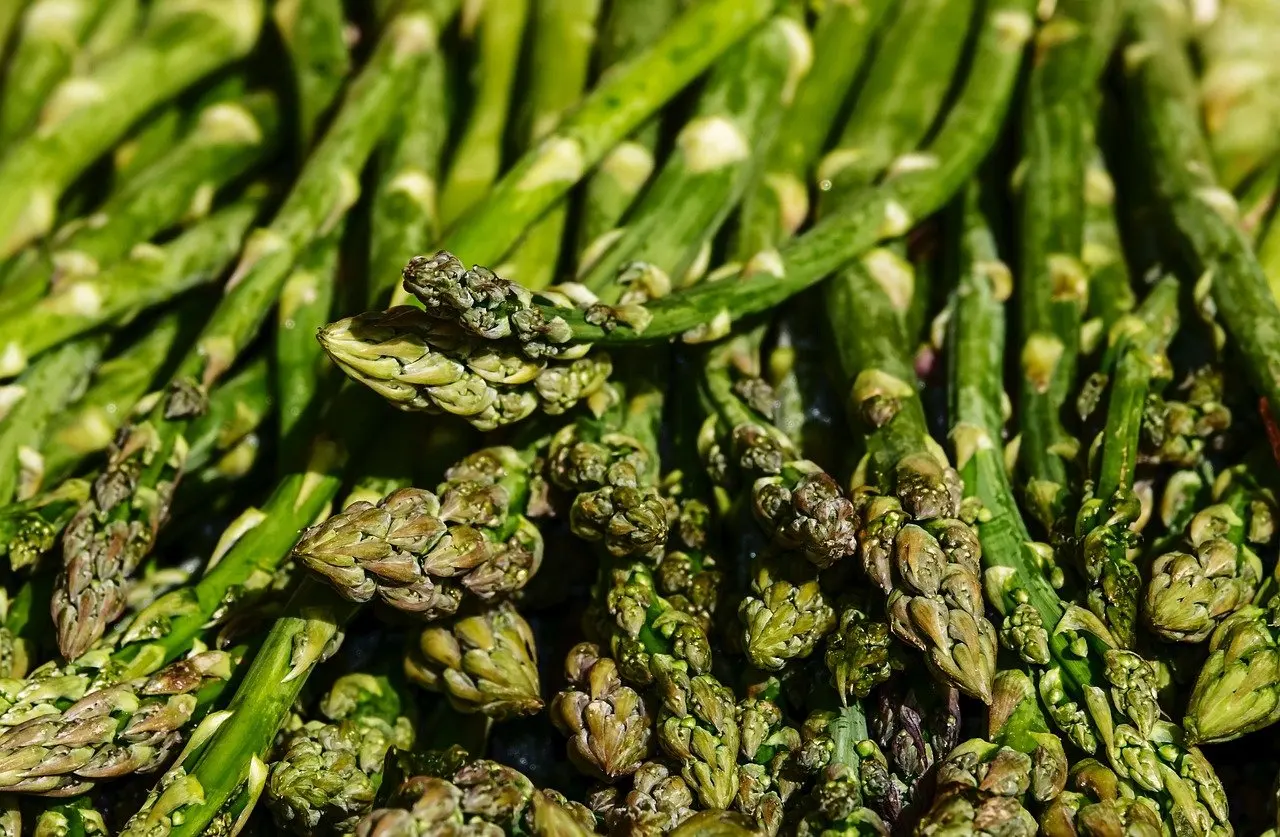
Asparagus is the classic spring vegetable. The same seed-starting calendar lists indoor sowing in March to April and an outdoor transplant in May. It suits cooks who want a first fresh green after winter. It is also a long-term garden crop, so it does not reward impatience. For dishes built around this season, see spring recipes quebec produce.
Tomatoes
Tomatoes are a summer crop whose calendar starts in spring. The seed-starting calendar gives indoor sowing from late March to mid-April and an outdoor transplant in early June. A tomato bought in the cold months of spring is therefore not a local field crop. Local fruit follows the transplant date by a good margin.
Summer: the root, cabbage and cucumber window
Summer is when the harvest windows begin to open and then overlap. The planting calendar for Montreal, published on Porcupine’s Montreal edibles page, gives the following windows for common vegetables.
Carrots and beets
Carrots and beets share a harvest window of mid-July to September. Carrots listed there take 60 days to mature from a mid-May planting, and beets take 50 days. Both suit shoppers who want a long season, since a single window covers summer salads and early fall roasting. They are also the first crops to think of for winter cellars.
Cabbage
Cabbage runs July to September, with 50 days to maturity for the variety listed. It is the most forgiving of the early crops: the window is wide, so a late purchase loses little. It suits cooks planning slaws now and braises as the weather cools.
Cucumber
Cucumber has the tightest summer window, late July to late August, with 60 days to maturity. Buy or pick it in that stretch and do not expect local supply to run into fall.
Celery and Brussels sprouts
Both are listed for August. Celery needs 80 days to maturity and Brussels sprouts need 100. The long maturity time is the reason these crops feel late. Brussels sprouts in particular are a long-season vegetable, so cooks should not look for them at the start of summer.
Summer fruit
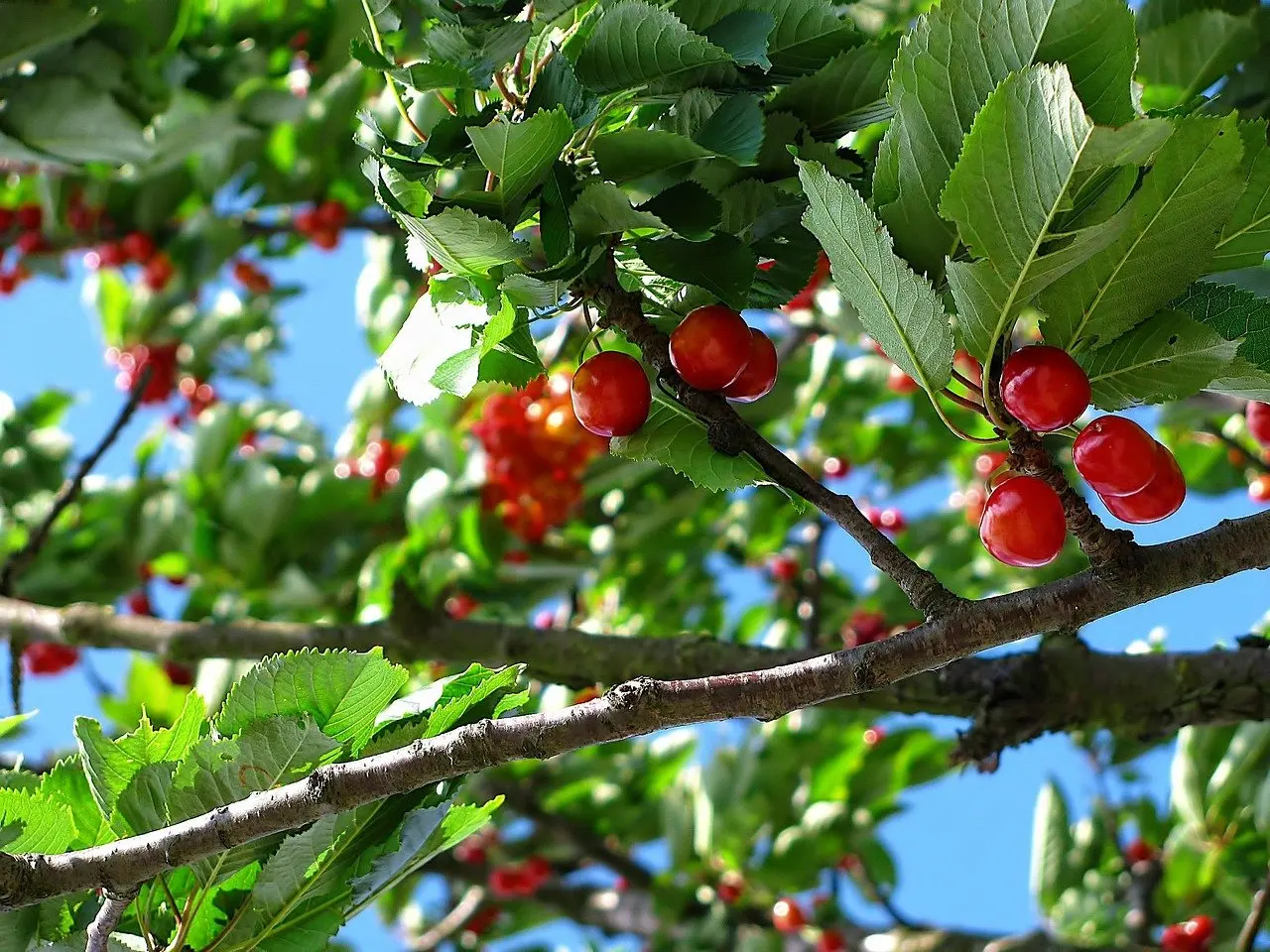
Fruit begins ahead of most vegetables. Strawberries and cherries belong to the summer months, and cherry orchards deliver ripe fruit on the branch, as pictured below. The calendar data supplied for this page gives no fruit dates, so check a local farm or market for the exact week.
Fall: corn, celeriac and orchard fruit
Fall in Quebec is shorter on variety than summer but richer in storable crops. Two vegetables from the Montreal calendar mark it.
Sweet corn
For readers asking when corn peaks, the Montreal planting calendar lists sweet corn planted in mid-May with 78 days to maturity and a harvest from late August to September. Corn is one of the clearest late-summer markers. It suits cooks who want to eat it fresh within that window rather than buying it out of season.
Celeriac
Celeriac is listed for September or later, after light frost, with 110 days to maturity. That is the longest maturity time among the crops here. It rewards patience and suits cold-weather cooking, so choose it when soups and roasts return.
Apples
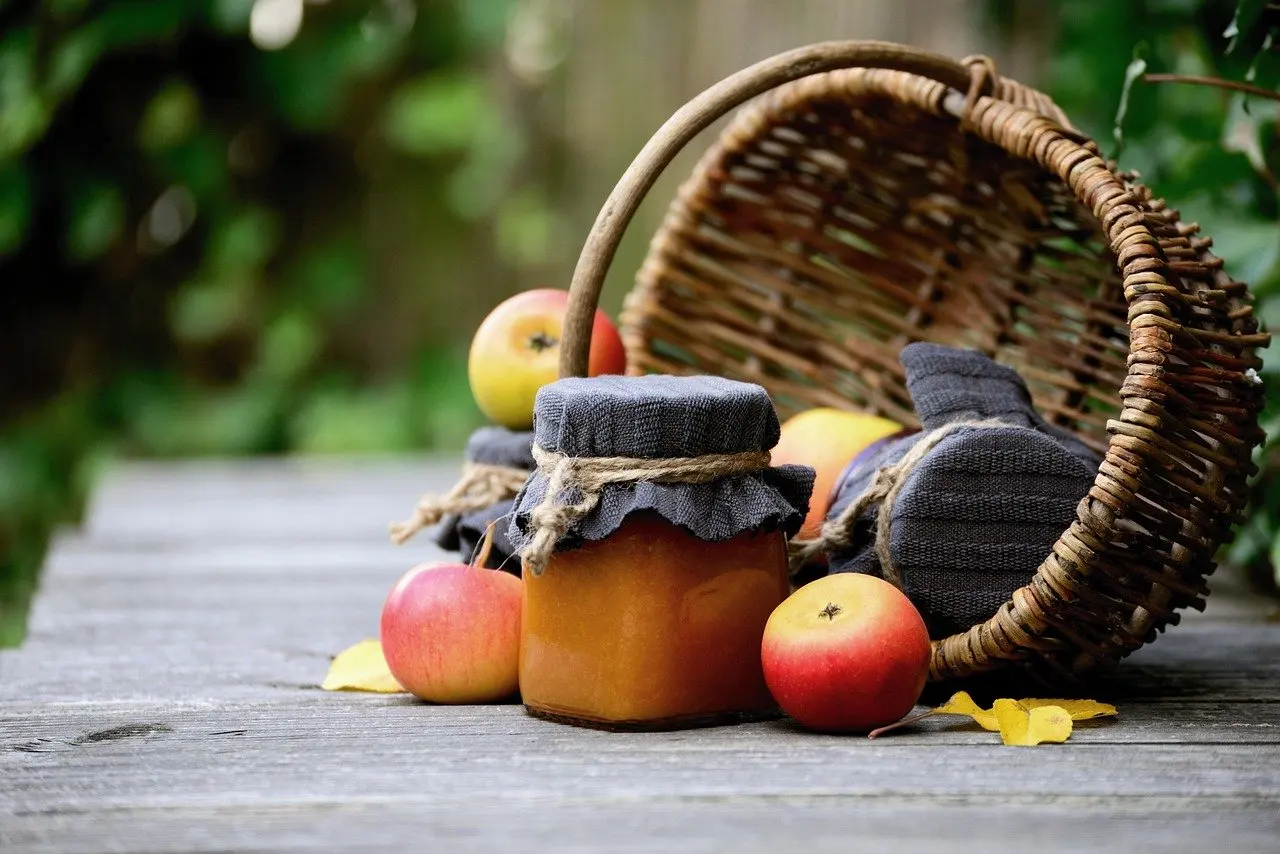
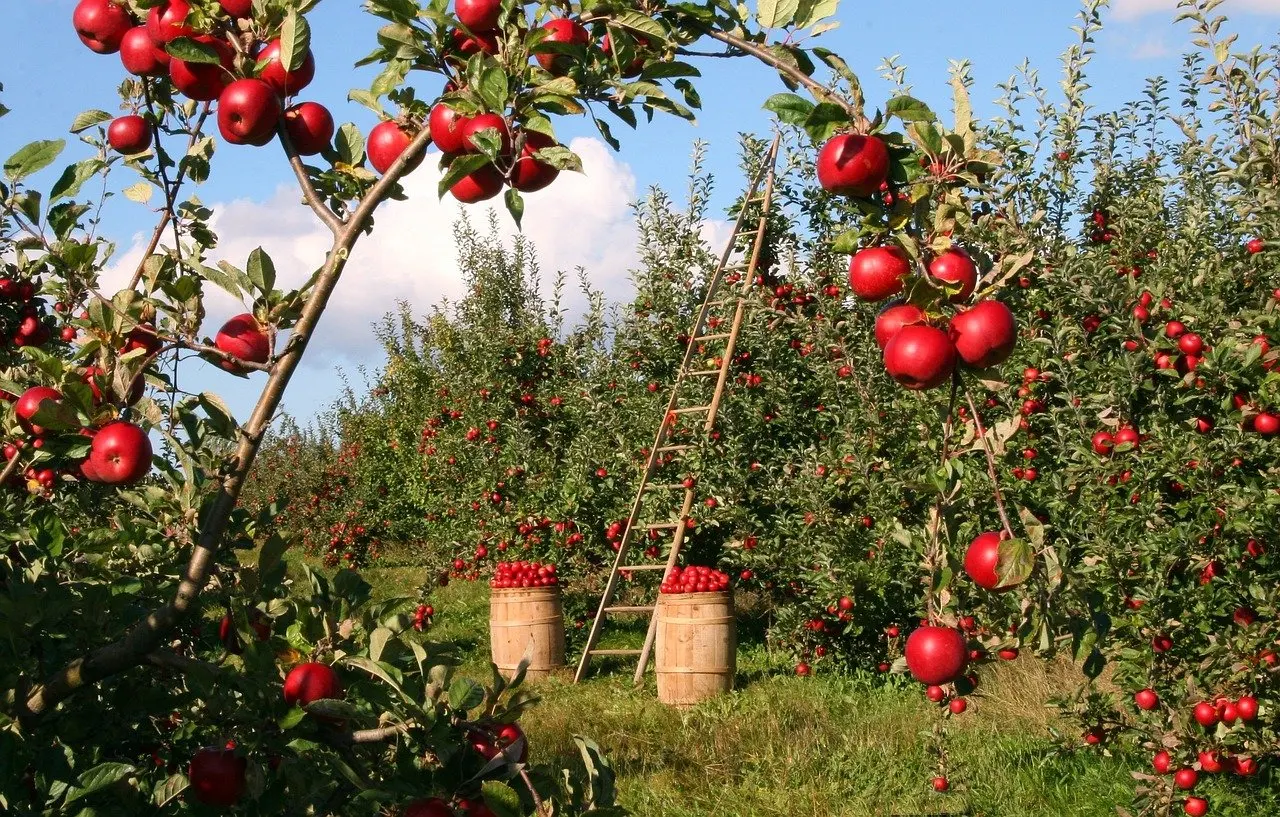
Apples are the fall fruit that most people mean by Quebec orchards. They are picked from the tree into bins, as in the image below, and they arrive after summer berries and cherries have finished. Local orchards set their own picking dates by variety.
Winter: root vegetables and storage
Which vegetables store through winter in Quebec? The root crops lead: carrots, beets and celeriac all finish in the cooler end of the calendar, and a cellar is where they spend the cold months. The Montreal calendar adds a useful detail about celery, noting that it will continue to grow in a pot in a root cellar if kept watered. That is a better outcome than a bare pantry shelf and an unusual way to stretch a crop that ends in August.
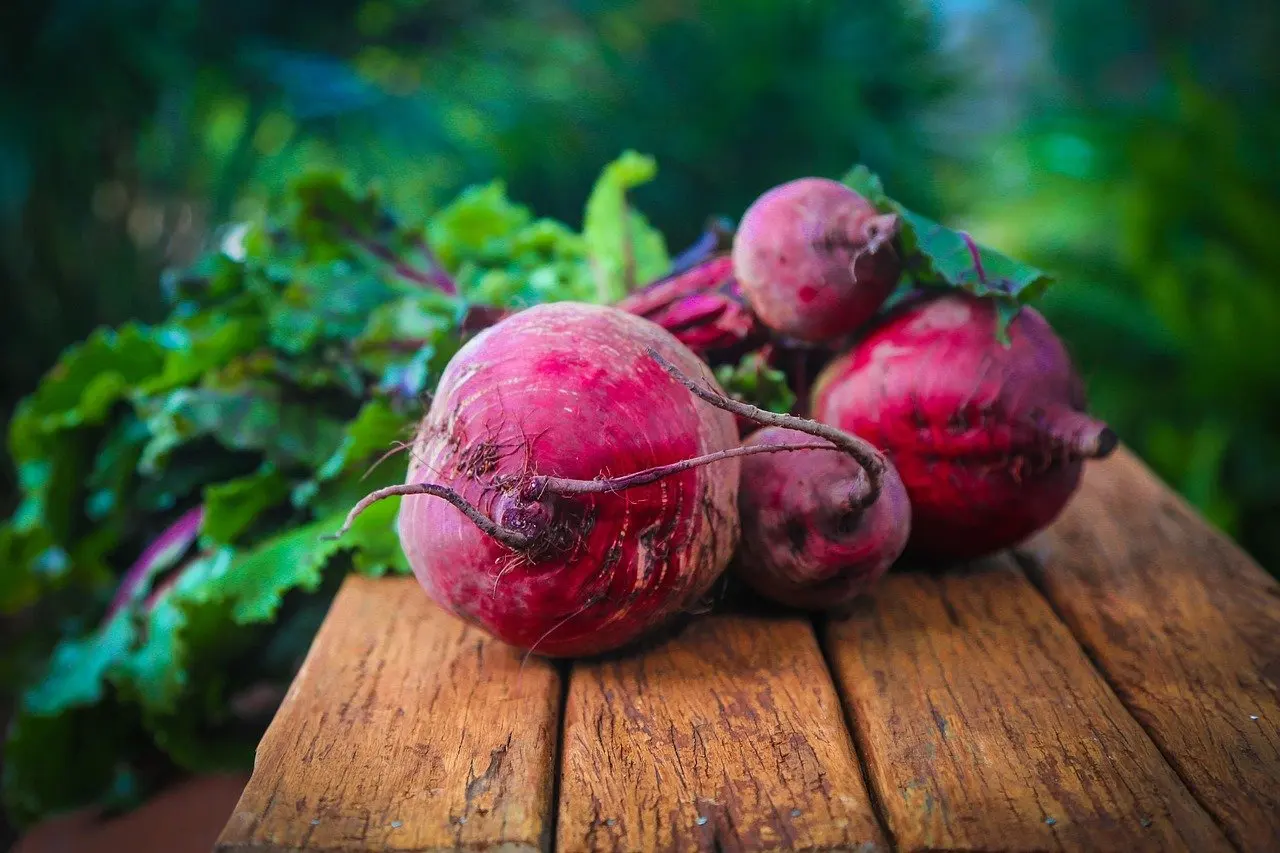
Exact storage lives for each root depend on the cellar, so pick roots that were harvested late and in good condition. Celeriac, picked after light frost, is the natural candidate for the cold months. The earlier-harvested carrots and beets also suit storage, provided they are kept in cool, dark conditions.
Legumes belong in the same pantry planning. Dried peas and beans keep far longer than fresh vegetables and anchor winter soups, and the quebec pea soup recipe page shows how to use them.
Harvest windows at a glance
This table gathers the harvest windows named above into one place, ordered by the start of harvest. It compares crops on common criteria rather than ranking them.
| Crop | Harvest window | Days to maturity | Planning use |
|---|---|---|---|
| Carrots | Mid-July to September | 60 | Early root for summer cooking and later cellar storage |
| Beets | Mid-July to September | 50 | Quick crop that overlaps with carrots |
| Cabbage | July to September | 50 | Wide window, easy to plan around |
| Cucumber | Late July to late August | 60 | Buy within a narrow summer stretch |
| Celery | August | 80 | Late-summer crop, can be potted for a cellar |
| Brussels sprouts | August | 100 | Long-season crop, not an early-summer purchase |
| Sweet corn | Late August to September | 78 | Eat fresh within its short window |
| Celeriac | September or later, after light frost | 110 | Cold-season root for storage and soups |
These figures come from the Montreal edibles planting calendar, which lists specific varieties, so windows move with variety and planting date.
Reading the calendar month by month
Quebec harvest season by month is easiest to read as three phases rather than twelve separate lists.
- March to June: mainly planting. Indoor seedlings start, tomatoes move outside in early June, and asparagus transplants go out in May.
- July and August: the first harvests arrive. Carrots, beets and cabbage come in, followed by cucumber, celery and Brussels sprouts.
- September and later: sweet corn finishes its window, carrots, beets and cabbage reach their last month, and celeriac is picked after light frost.
Local produce availability is therefore widest in late summer and early fall. A shopper aiming at the largest choice should plan around the stretch where the windows in the table overlap, and then move toward stored roots as fresh supply falls away.
Frequently asked questions
Which crops can be sown more than once for a longer harvest?
Carrots are the example in the Quebec seed-starting calendar, which lists sowing every 2 weeks from late April to late July. Staggered sowings spread the harvest instead of producing it all at once.
How should summer basil be kept for winter?
The Montreal edibles calendar notes that basil freezes very well. Freezing is the simplest way to keep a herb that has no storage life in the cellar.
Can these dates be used for any part of Quebec?
They come from a Montreal planting calendar and from cultivars named in it, so treat them as a guide. Colder or warmer growing areas, different varieties and later planting dates will all shift the window.
Why is celeriac listed after a light frost?
The Montreal calendar places its harvest in September or later, after light frost, and gives 110 days to maturity. That long season is why it appears last in the calendar and fits cold-weather cooking.