Quick answer: For spring recipes, Quebec produce starts with fiddleheads, which appear around the end of April to the middle of May and must be cooked before eating. Asparagus, rhubarb and maple syrup follow.
This guide sits within the wider set of seasonal recipes quebec. It puts the most time-sensitive and safety-sensitive ingredient first, then moves to the vegetables and the sweetener that carry the rest of the season.
Choosing what to cook first
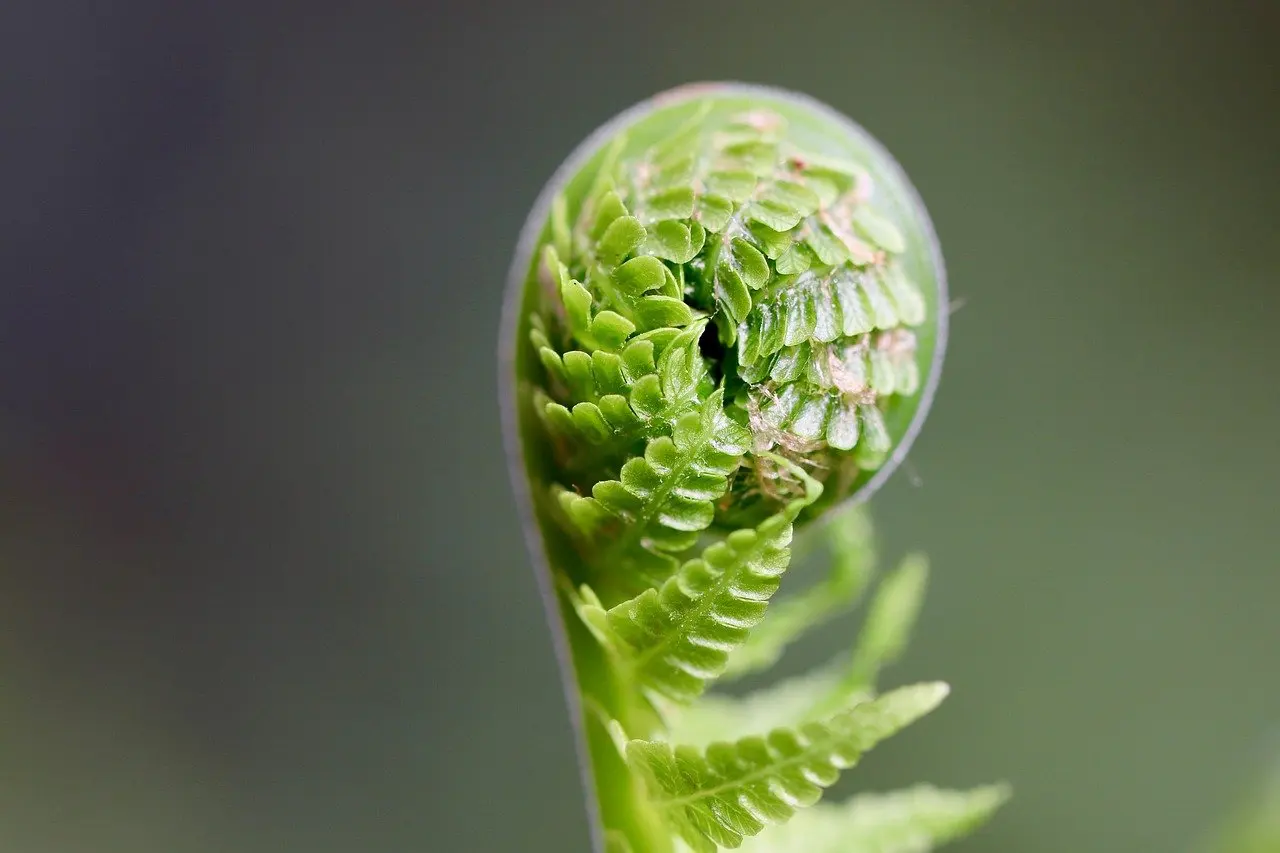
Fiddleheads give the shortest window and the strictest handling rules, so they set the order of spring cooking. According to an outdoor foraging guide, they emerge around the end of April to the middle of May, depending on how far north you live. Once they start to uncoil they are past their eating prime, so they cannot be left for a convenient weekend.
- Cook fiddleheads first. They are the one ingredient here that cannot be eaten raw and has a narrow picking stage.
- Plan asparagus and rhubarb around the calendar. Both are short-season spring crops, so check the quebec seasonal produce calendar for the weeks in your region before building a menu.
- Keep maple syrup as the flexible sweetener. It works in a pickle brine, a pie or a pudding, so it suits cooks who want one Quebec ingredient to run through several dishes.
- Choose a plain method for the first batch. Boiled fiddleheads with lemon and butter show whether you like the flavour before you commit to a larger recipe.
Fiddlehead safety and preparation
Fiddleheads must be cooked before eating, and the cooking is also what removes their bitterness. The same foraging guide stresses that cooking is important before consumption, which is why a raw salad is not an option for this ingredient.
Recognising and picking them
The guide describes ostrich fern fiddleheads as having a distinctive brown, paper-like sheath when they emerge from the ground. They grow in fertile sandy soil beside waterways, including wet woods and floodplains. Pick them closest to the ground, before they uncoil.
Each ostrich fern clump can sprout 2-8 ferns, and the guide advises taking less than half of the fiddleheads in each group. That limit keeps the patch productive for next year and is worth following even if the clump looks generous.
Parboil, drain, then cook again
Follow the two-stage method the guide describes, and do not shorten it.
- Rinse the fiddleheads and remove the brown papery sheath.
- Parboil them for a couple of minutes, until the water turns brown. This releases the tannins and bitterness.
- Drain the dark water and throw it away.
- Add clean water and boil or steam again until tender.
- Stop while they are still firm. The guide warns against overcooking, because they should be firm, not mushy.
When the fiddleheads are going into another recipe, such as a stir-fry, the guide says the second boil should be brief, since they will cook further in the pan. Use a fresh pot of water for the second stage, never the brown liquid from the first.
Fiddlehead dishes compared
Three preparations from the same guide cover most weeknight needs. The table compares them on quantity, effort and what they suit.
| Dish | Key quantities and method | Planning use |
|---|---|---|
| Boiled with lemon and butter | Boiled after the parboil stage, served simply with lemon and butter | Best first dish and the clearest taste of the ingredient. Suits a small harvest. |
| Fiddlehead fried rice | 1 cup prepped fiddleheads with 2-4 cups leftover rice | Good for stretching a modest amount of fiddleheads into a full meal. Use the brief second boil before frying. |
| Quick pickle | Brine with 1 tablespoon sugar, or honey or maple syrup; keeps 2-4 weeks in the refrigerator | Suits a larger harvest that cannot be eaten fresh. The guide says pickles get better with age. |
Figures come from the foraging guide to fiddleheads, which lists the fried rice proportions and the pickle storage time.
The fried rice leans on leftover rice, so it works well the day after a bigger meal. The pickle is the practical answer to a short season. Using maple syrup in the brine is the one place where the guide’s sweetener options and Quebec’s sugar season meet directly.
Asparagus and rhubarb in their short windows
Asparagus and rhubarb arrive as the season moves on from fiddleheads, and both reward cooking them soon after buying. Exact weeks vary by region and year, so the produce calendar linked above is the better planning tool than any fixed date.
Asparagus with eggs
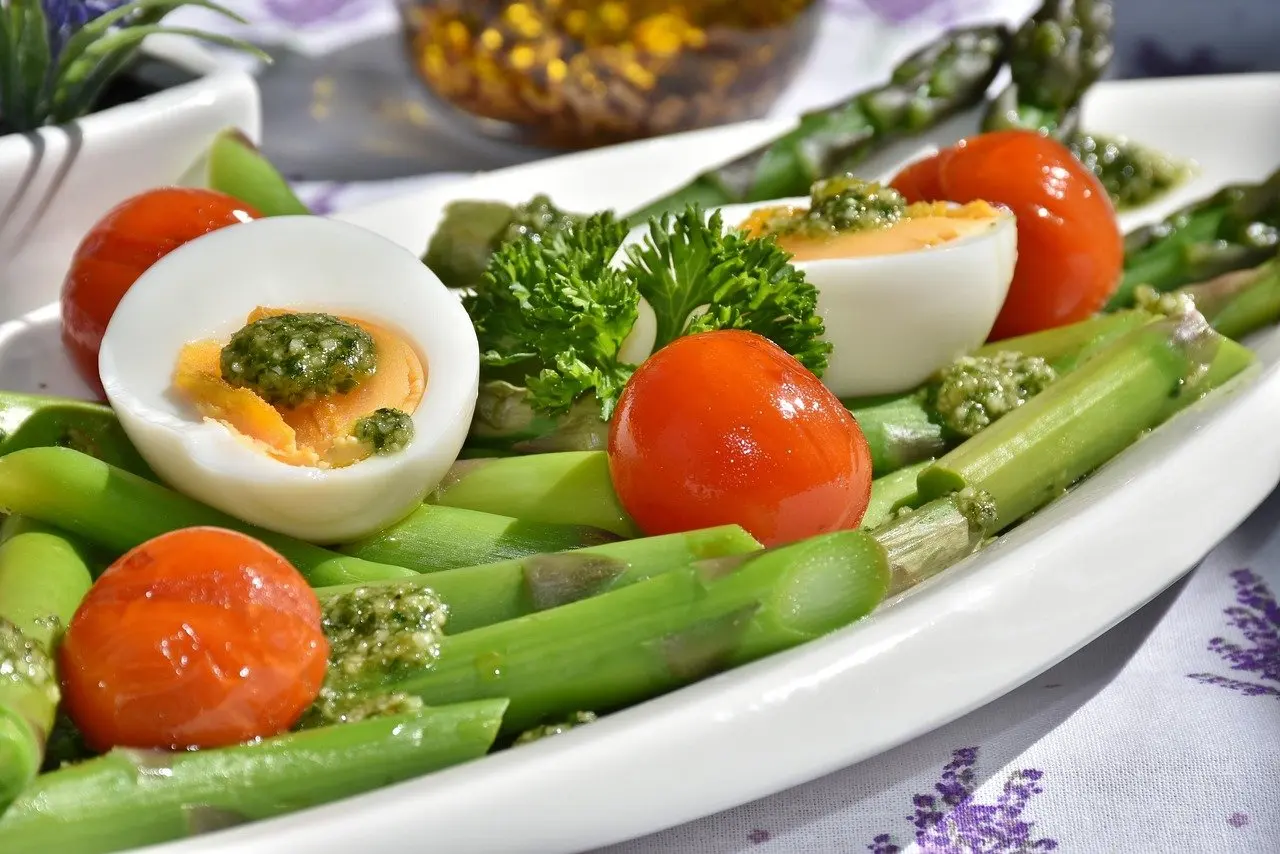
Asparagus and eggs are a reliable spring pairing. Roast or boil the spears until just tender and top them with a soft egg, or serve them beside halved hard-boiled eggs and a green sauce, as in the photo at the top of this page. It suits a quick lunch and needs no precise recipe, so it is a good choice when the vegetables are the point.
Rhubarb beyond dessert
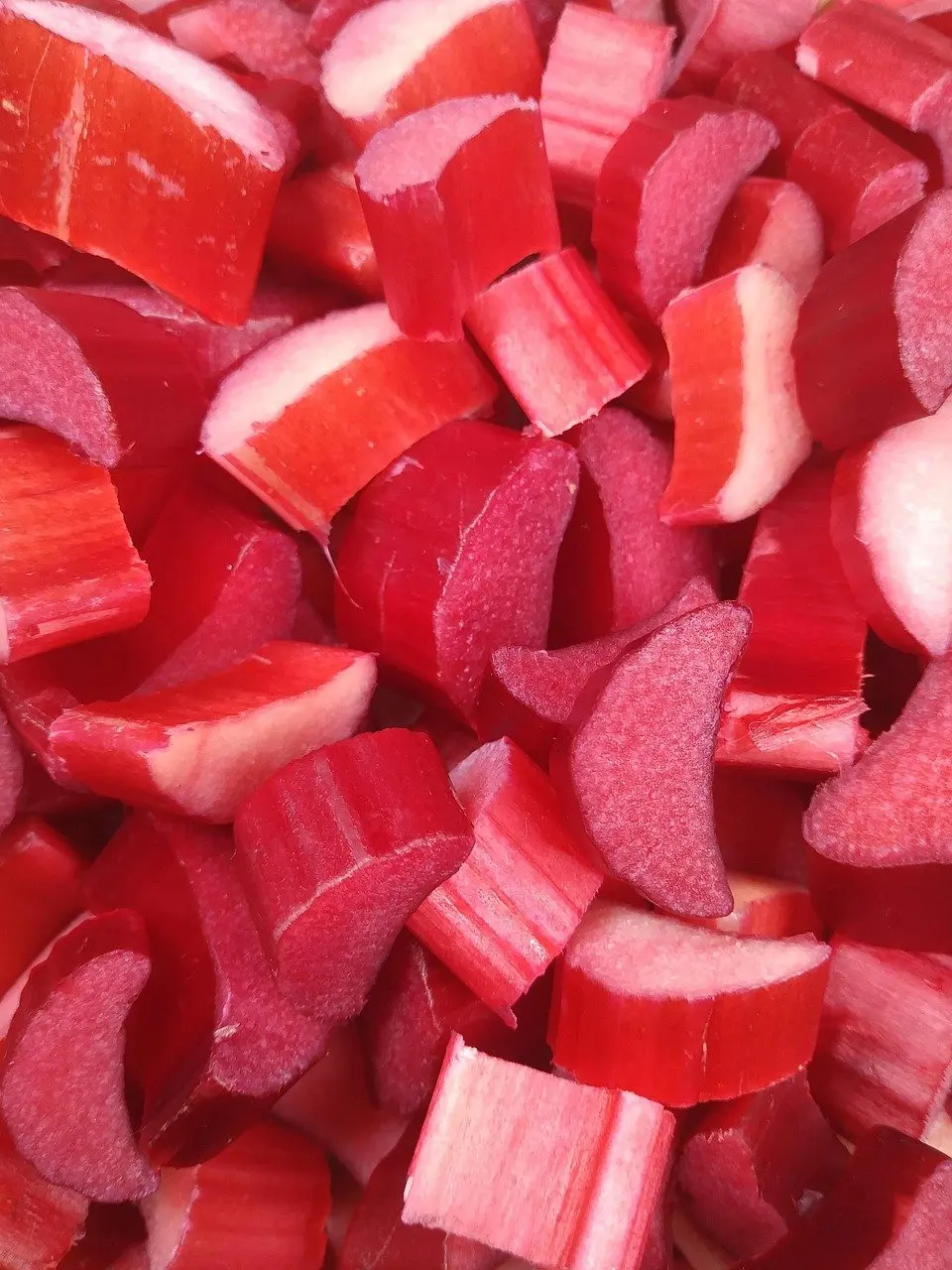
Rhubarb is usually sweetened and baked, but nothing limits it to dessert. As a cook’s suggestion rather than a fixed recipe, chopped stalks can be stewed down with a little maple syrup and served as a sauce beside savoury food, or preserved in the sweet-and-sour style of the quick pickle above. Start with a small batch and adjust the sweetness to taste.
Maple syrup and Quebec classics
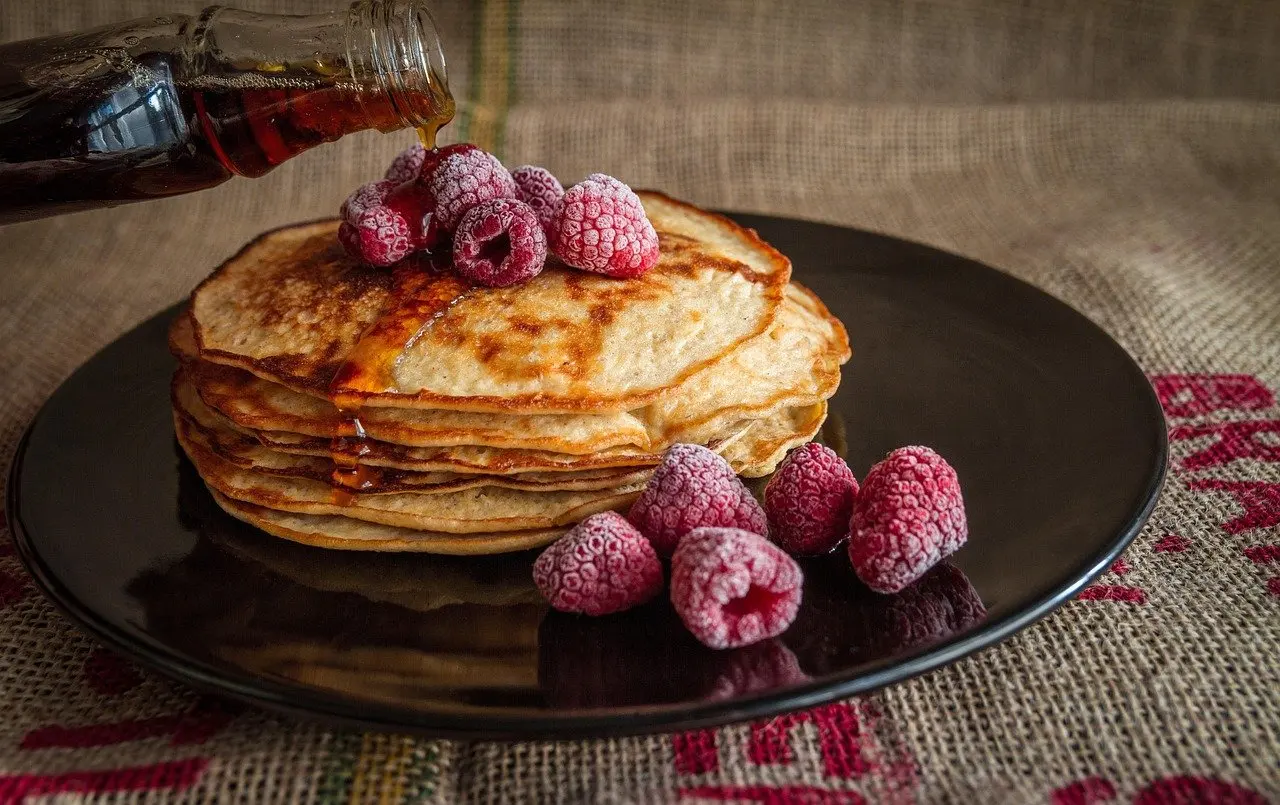
Maple syrup connects spring cooking to Quebec cuisine more broadly. A guide to Quebec foods notes that some tarte au sucre recipes use maple, and that maple versions of pouding chômeur, a cake soaked in sweet sauce, make a good introduction to that dessert.
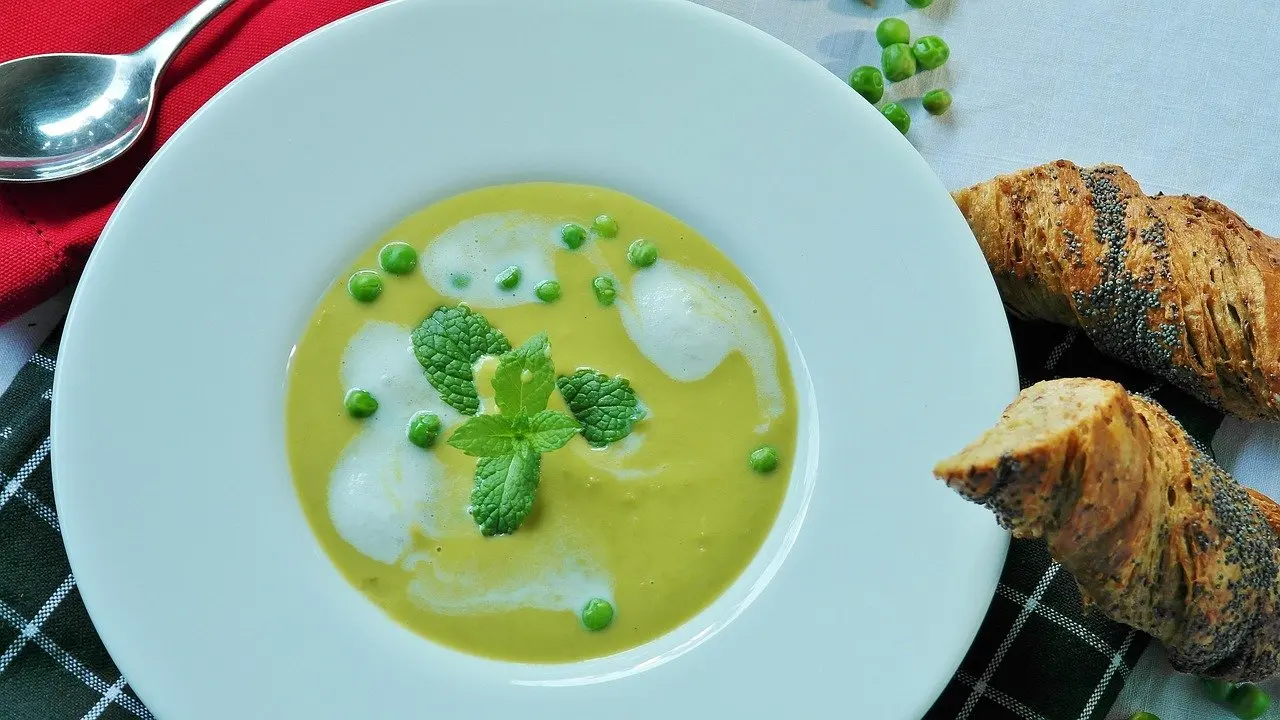
The same guide describes soupe aux pois as generally combining yellow peas, salt pork and vegetables. It is a pantry soup rather than a spring vegetable dish, but it shows how Quebec cooking uses simple ingredients. For a spring menu, maple syrup is the easiest way to bring that tradition to fresh produce: a spoonful in a brine, a glaze or a stewed fruit sauce.
Once the weather warms, the menu shifts again, and the summer recipes quebec vegetables guide picks up where this one stops.
Troubleshooting spring cooking
- Fiddleheads taste bitter. The parboil was probably skipped or too short. Parboil for a couple of minutes until the water turns brown, drain, and cook again in clean water.
- Fiddleheads are mushy. They were overcooked. They should be firm, and the second boil should be brief when they go into another recipe.
- The coils have opened. Fiddleheads that have started to uncoil are past their eating prime, so use only tightly coiled ones.
- The harvest is too large to eat fresh. Pickle the surplus, which keeps 2-4 weeks in the refrigerator.
- The pickle is too sharp. Adjust the sweetener, since the brine can use sugar, honey or maple syrup.
Frequently asked questions
What Quebec produce is available in spring?
Fiddleheads come first, emerging around the end of April to the middle of May depending on latitude. Asparagus and rhubarb follow in short windows, and maple syrup supplies the sweetener. Regional timing is best checked on the produce calendar.
How do you cook fiddleheads safely?
Cook them before eating. Parboil for a couple of minutes until the water turns brown, drain it away, then boil or steam in clean water until tender but still firm.
What can I make with rhubarb besides dessert?
Stew it with a little maple syrup as a sauce for savoury dishes, or try it in a sweet-and-sour pickle-style preparation. Both are flexible ideas rather than set recipes, so start small and adjust to taste.
Can fiddlehead pickles be kept?
Yes. The foraging guide says quick-pickled fiddleheads keep in the refrigerator for 2-4 weeks and improve with age.