| Reader situation | Dish | Quebec ingredient to use | Planning use |
|---|---|---|---|
| Family main course | Tourtière | Ground pork | Choose it for a pastry-covered meat main. Confirm doneness with a thermometer rather than crust colour. |
| Layered bake from one dish | Pâté chinois | Ground meat from a local butcher, pork if preferred | Suits cooks who want a casserole-style supper without pastry work. |
| Sugar shack-style dessert | Pouding chômeur | Maple syrup | Best when a sweet finish with a caramel-like sauce is wanted. Most makers now use maple in the sauce. |
| Sugar shack-style savoury side | Cretons | Pork | A pork spread served on bread, suited to a starter or brunch table. |
Dish choices and ingredients above draw on Canadian Food Focus and a Quebec City food guide.
Traditional Quebec recipes are easiest to plan by occasion: tourtière for a family main, pâté chinois for a layered bake, and pouding chômeur with maple syrup for dessert. Cook any ground pork dish until a thermometer confirms it is done.
For more dishes organised around the growing calendar, see seasonal recipes quebec.
Savoury pies and bakes for a family table
Quebec cuisine is meat-forward. A Quebec City food guide describes menus built around rabbit, meat pies, maple bacon and other meat dishes, and that is the tradition these two savoury recipes belong to. Both suit a household meal where one pan feeds several people.
Tourtière
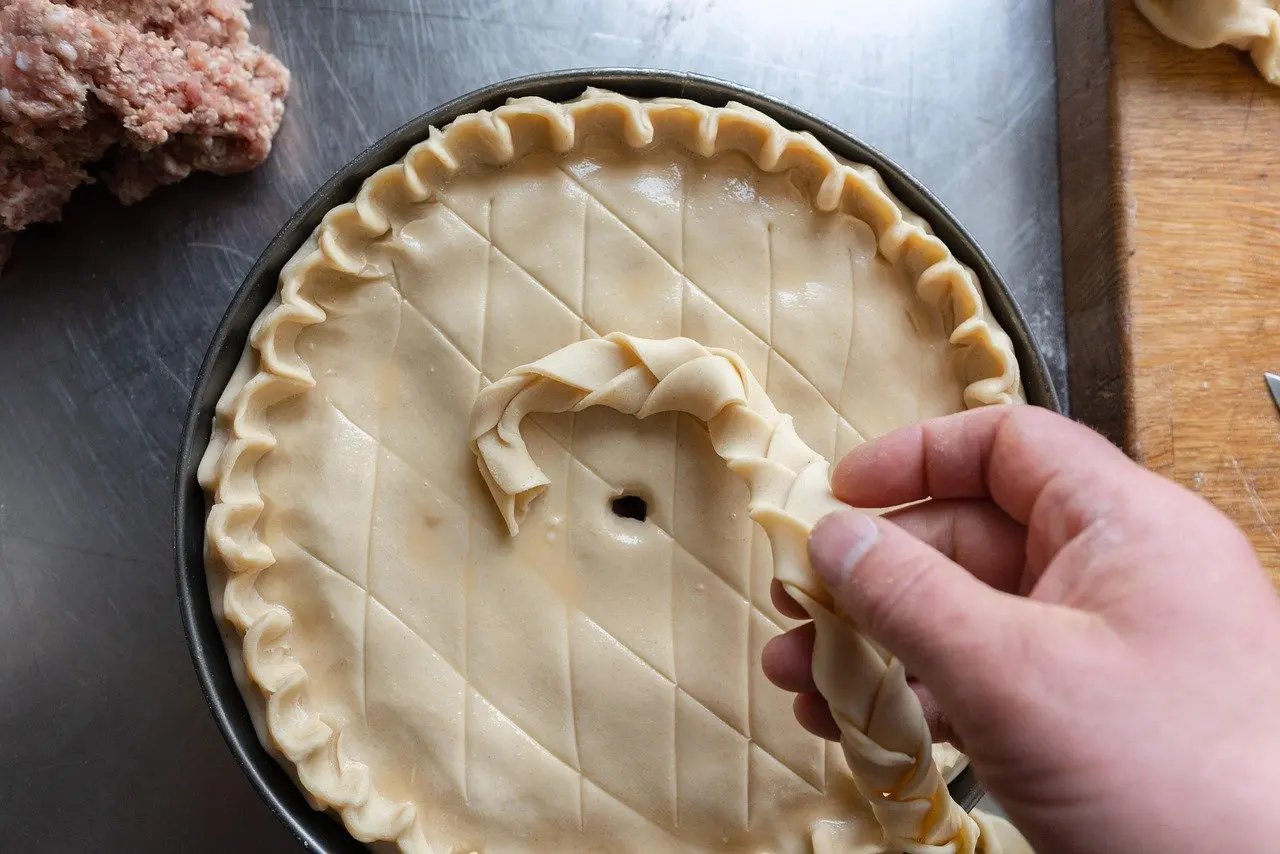
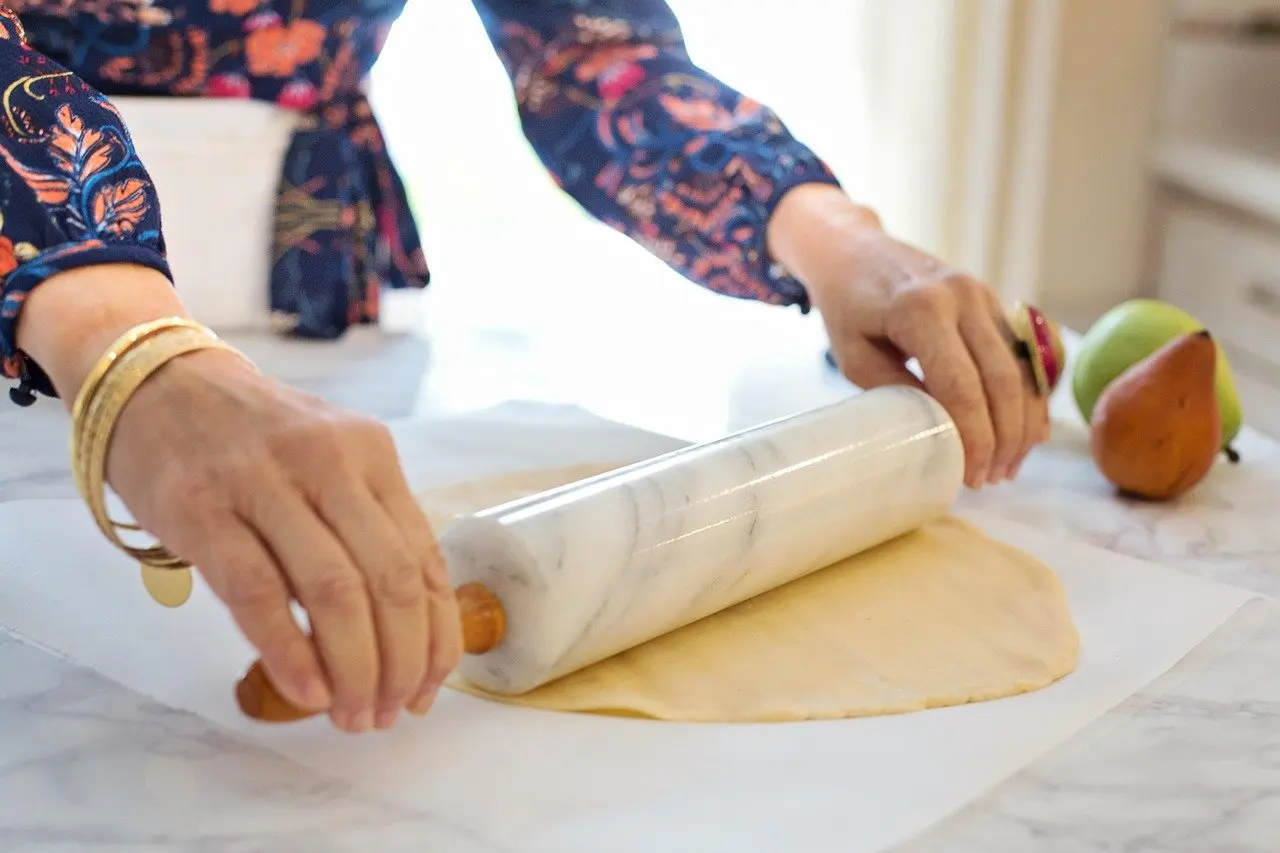
Tourtière is the meat pie most people mean when they ask for traditional Quebec recipes. A typical tourtière recipe starts with ground pork and warm spices, sealed in pastry. It suits cooks who are comfortable making a pie crust and want a dish that works for a large gathering.
Its main limitation is the filling depth. A pastry lid hides the meat, so a golden crust does not prove the centre is cooked. Bake times also vary with the pie’s depth and the oven, so rely on a thermometer reading in the filling instead of the clock. The pork is the easiest ingredient to source locally, and a Quebec butcher or farm shop is a sensible place to start.
Pâté chinois
Pâté chinois is the better pick when pastry feels like too much effort. Any pâté chinois recipe is built in layers in a baking dish, with a mashed potato topping over a corn layer, so it needs no crust and can be served by the scoop or the slice.
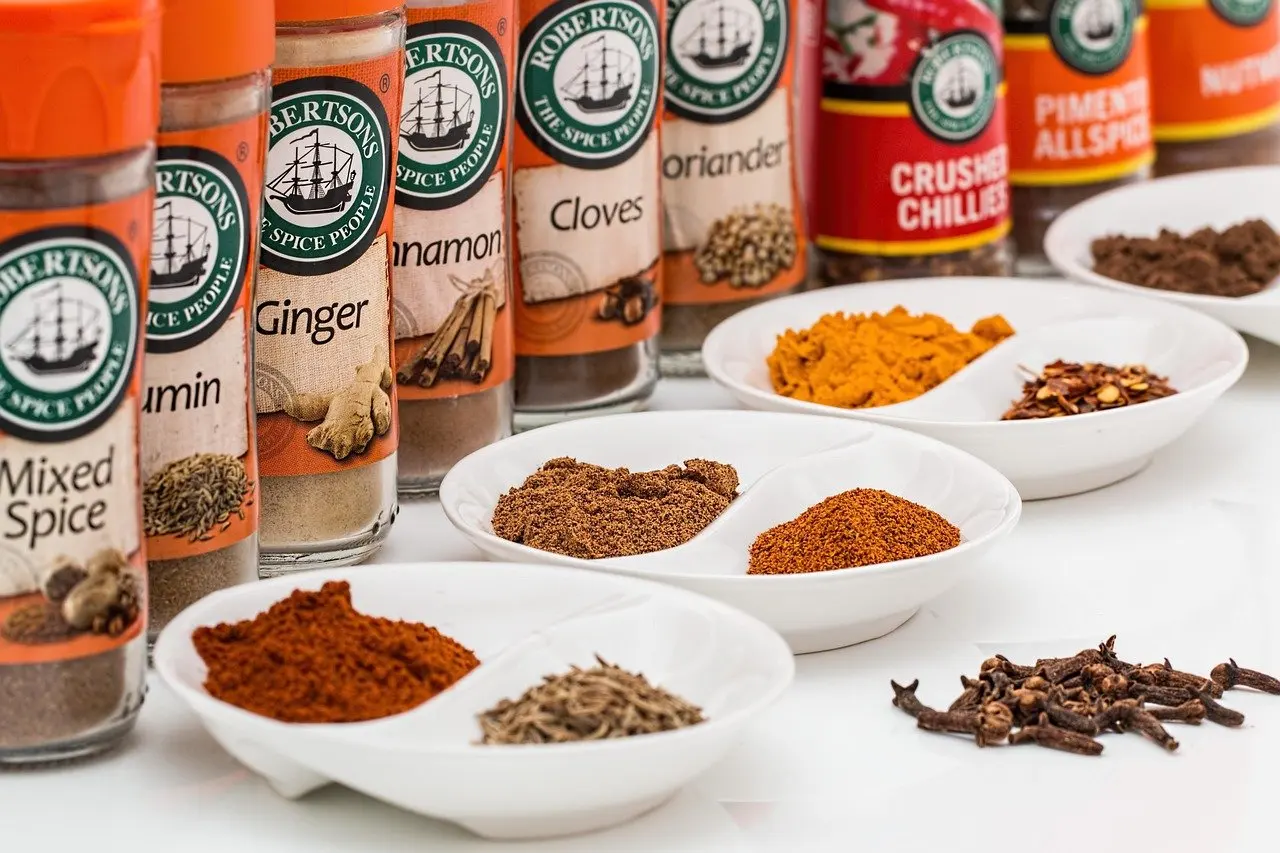
The dish suits busy households and cooks who prefer mashing and layering to rolling dough. Its drawback is the same as the pie’s: the meat sits under other layers, so take the thermometer reading from the meat layer and not from the potato surface. Seasoning is flexible, since spices are a cook’s own choice, and the local content comes mainly from the meat and the potatoes.
If the potato layer is the part of the dish you want to source locally, how to preserve vegetables harvest explains how to keep Quebec vegetables for months after picking.
Sugar shack-style dishes
Sugar shacks are where Quebec’s maple tradition meets the table. According to a Quebec City food guide, a sugar shack meal typically brings sausage, baked beans, maple bacon, crepes, potatoes, omelets and cretons. Recreating that menu at home is the simplest way to cook several traditional dishes in one sitting.
Pouding chômeur
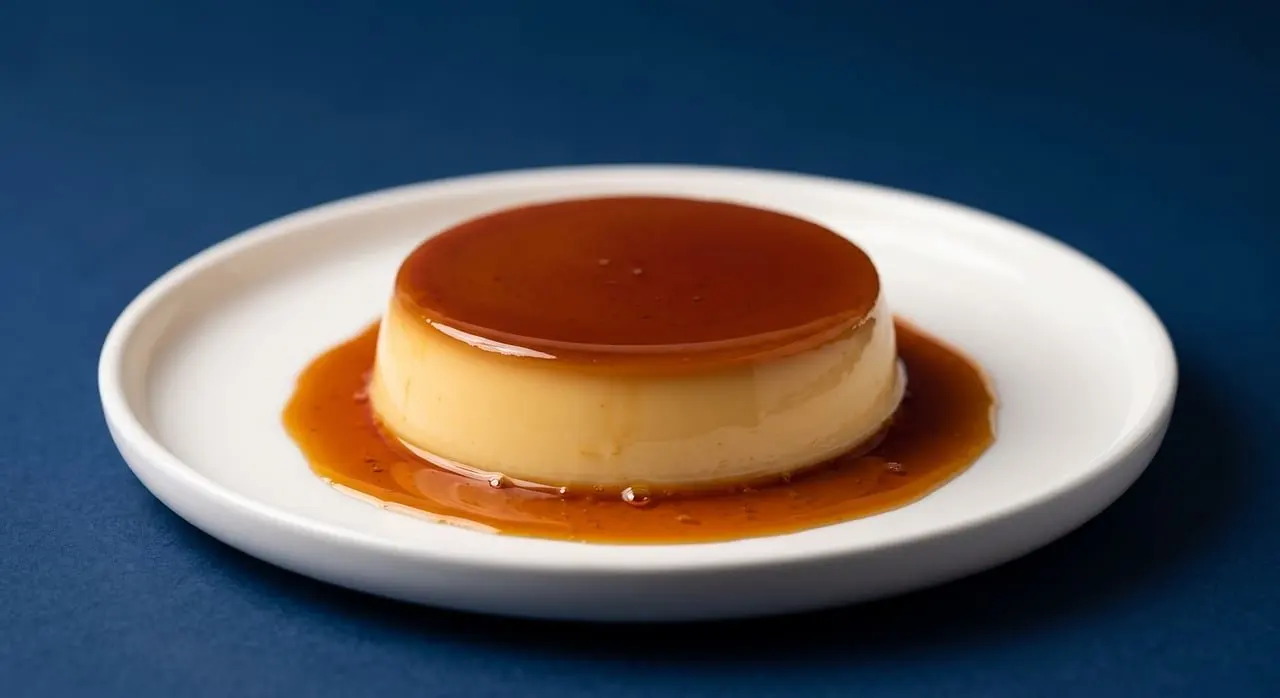
Pouding chômeur is a good answer to where traditional Quebec cooking began as necessity. Canadian Food Focus reports that women who worked in factories during the Depression in Quebec created it. Over the years it moved from a Sunday night family dessert to a restaurant offering, and it is sometimes served at sugar shacks next to other maple desserts.
The method is what makes it distinctive: hot syrup is poured over batter, and the result is a cake sitting in a caramel-like sauce. It was first made with brown sugar, and most makers now use maple syrup in the sauce. That makes it the easiest dish on this page to make visibly local, because the sweetener is the Quebec ingredient.
It suits anyone who wants a dessert from pantry staples and who values a soft cake with plenty of sauce. It is a poor fit for anyone wanting a light or low-sugar finish, since the sauce is the point. Serve it straight from the dish while the sauce is still fluid.
Cretons and other pork specialities
Cretons is a pork spread that resembles pâté and is eaten on bread, which makes it the simplest savoury sugar shack item to bring to a table. It suits breakfast and brunch spreads and cooks who prefer a cold, spreadable dish to a hot main. The pork is the local ingredient to focus on.
Sugar shacks also serve oreilles de crisse, deep-fried pork jowls. These are a showpiece for adventurous eaters, not a weeknight recipe, and they need deep-frying equipment and confidence handling hot oil. For most home cooks, cretons delivers the pork-and-maple flavour of the shack with less effort.
Matching local ingredients to each dish
Two ingredients carry most of the Quebec identity in these recipes. Maple syrup anchors the sweet side, and pork anchors the savoury side. Canadian Food Focus notes that 70 per cent of the world’s maple syrup comes from Canada and that 90 per cent of that comes from Quebec, with more than 8,600 producers across the country. For a cook in Quebec, locally made syrup is therefore easy to find.
- Pouding chômeur: use Quebec maple syrup in the sauce, as most makers now do instead of plain brown sugar.
- Tourtière: buy ground pork from a local butcher or farm, and keep the spices simple so the meat stays the main flavour.
- Pâté chinois: choose local ground meat for the base layer, and use Quebec potatoes and corn for the layers above it when they are in season.
- Cretons: the pork is the whole dish, so it is the place to spend on better meat.
Ground pork gives the savoury dishes their shared base, and maple gives the dessert its character. Spices, flour and other pantry items are the parts that do not need to be local to keep the dish authentic.
Cooking ground pork dishes safely
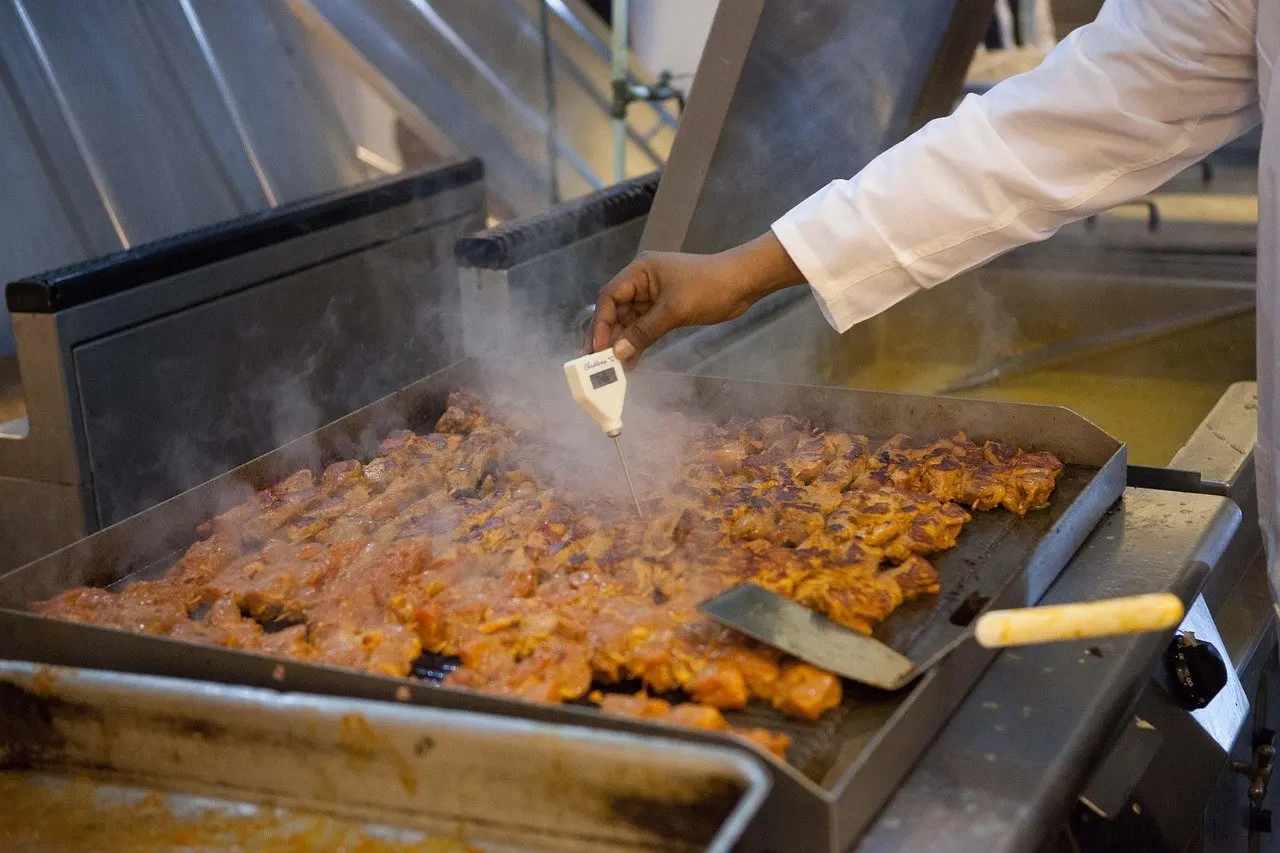
Ground meat needs more care than a whole cut, because it is mixed throughout and cannot be judged by looking at the outside. Tourtière, pâté chinois and cretons all rely on ground or minced pork, so a probe thermometer is a better tool than colour or timing. Check the Government of Canada’s safe internal cooking temperatures chart for the figure that applies to ground pork, and aim for at least that reading in the centre.
Take the reading in the thickest part of the filling, keep the probe clear of the pan and crust, and re-check if the dish looks uneven. A pie or layered bake that is nearly done on the edges can still be cool in the middle.
Choosing for the occasion
Pick tourtière when the table needs a centrepiece and a cook has time for pastry. Pick pâté chinois for a simpler supper that is built in layers. Pick pouding chômeur to finish either meal, since it rewards a maple-syrup swap more than any other dish here. Add cretons if a bread-and-spread starter is wanted.
For a crowd, harvest festival menu ideas shows how dishes like these can be combined into a full seasonal menu.
Frequently asked questions
| Question | Answer |
|---|---|
| What does pouding chômeur mean in English? | It translates to “poor man’s pudding”, according to Canadian Food Focus. |
| Can maple syrup replace brown sugar in pouding chômeur? | Yes. One pouding chômeur recipe suggests reducing the brown sugar to 3/4 cup and adding 3/4 cup of maple syrup in the syrup, which otherwise uses 1 1/2 cups of brown sugar and 1 1/2 cups of water. |
| What oven setting does pouding chômeur need? | The same recipe bakes it at 350 F for 30 minutes in a 9 x 13 inch dish. Other recipes may differ with dish size. |
| When is maple sap gathered? | Sap is harvested in spring, when daytime temperatures are above 0°C and nights fall below freezing, according to Canadian Food Focus. |