| Reader situation | Basket period | Sample contents | Planning use |
|---|---|---|---|
| Want early-season produce | Early July | Greenhouse tomatoes, lettuce, spinach, cucumbers, snap and/or snow peas, spring onions, pak choi, radishes, summer squash | Plan quick salads and stir-fries. Greenhouse crops arrive alongside leafy greens. |
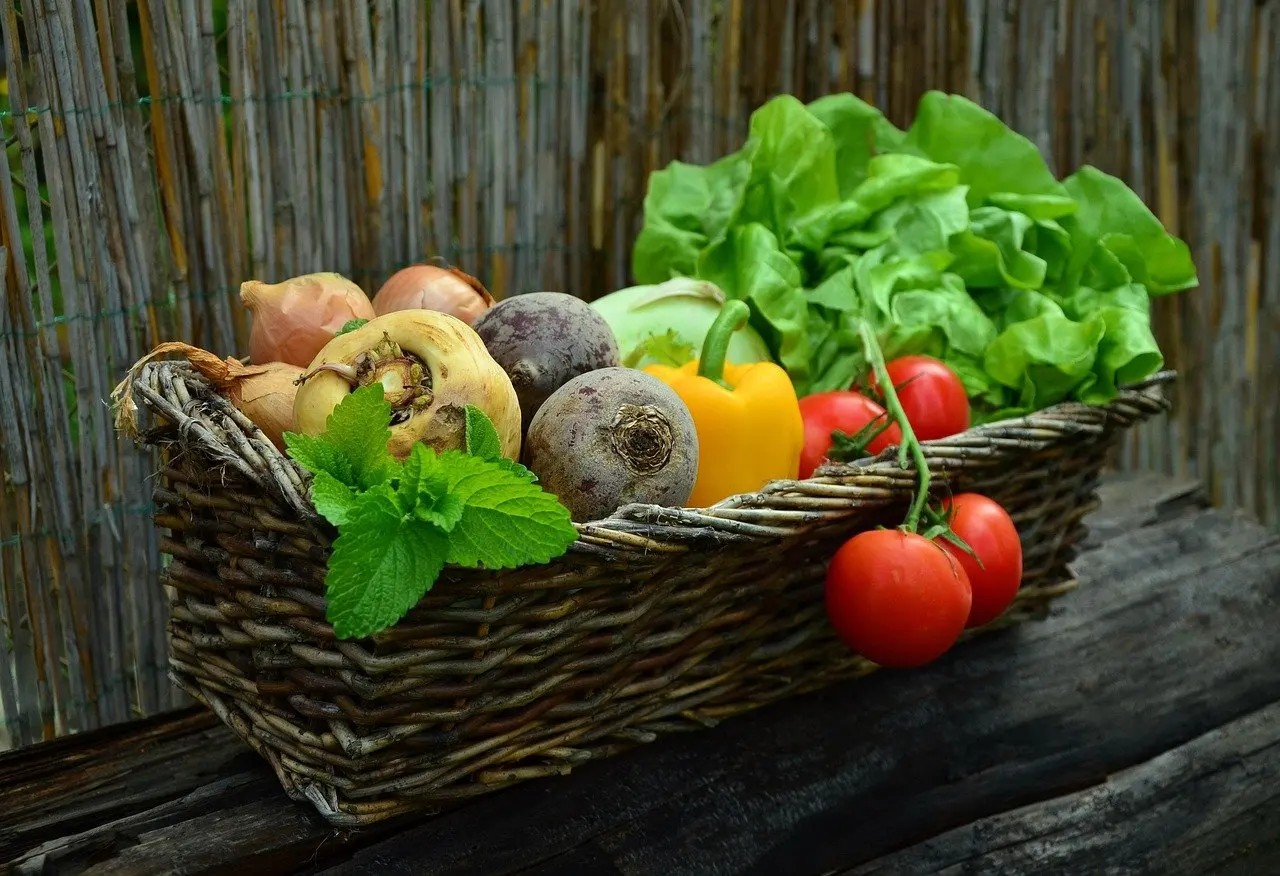
| Want peak summer variety | Late August | Tomatoes, celery, lettuce, summer squash, garlic, yellow onions, eggplant, melons, beans, sweet peppers | Expect the widest mix of fruiting vegetables. Cook for variety rather than repeating one dish. |
| Moving into autumn | Late September | Tomatoes, arugula, cherry tomatoes, nappa cabbage, potatoes, sweet peppers, beans, radishes, garlic, eggplant | Summer crops overlap with cabbage and potatoes. Use the tender items first. |
| Want a hearty autumn basket | Late October | Paste tomatoes, winter squash, cherry tomatoes, hot peppers, nappa cabbage, sweet peppers, kohlrabi, carrots | Squash and carrots suit slower cooking. Peppers and tomatoes still need quick use. |
| Want a basket through the cold months | All winter | Garlic, beets, carrots, celeriac, nappa cabbage, ginger, cabbage, winter squash, turnips, shallots, potatoes, leeks | Root-heavy cooking: roasts, soups and braises. |
These sample lists come from the basket contents guide of Fermier de famille, a network of family farms selling community supported agriculture baskets.
What is in a Quebec vegetable basket depends on the week: leafy greens, peas and greenhouse crops in early July, tomatoes and summer squash by late August, then squash, cabbage and roots into winter.
The sections below group those lists by what a household is trying to do, from starting early to eating through winter. For the wider picture of buying local, see the guide to food cooperative quebec options and recipes.
If you want an early-summer basket
Spring perennials and quick crops
The earliest Quebec harvests lean on plants that return each year. Ferme Tournesol points to asparagus and rhubarb as Quebec’s perennial spring vegetables, and describes chaining spring harvests with new succession crops such as carrots and bush beans. A basket that starts in spring is therefore a modest affair, built from a few early crops rather than the full summer range.
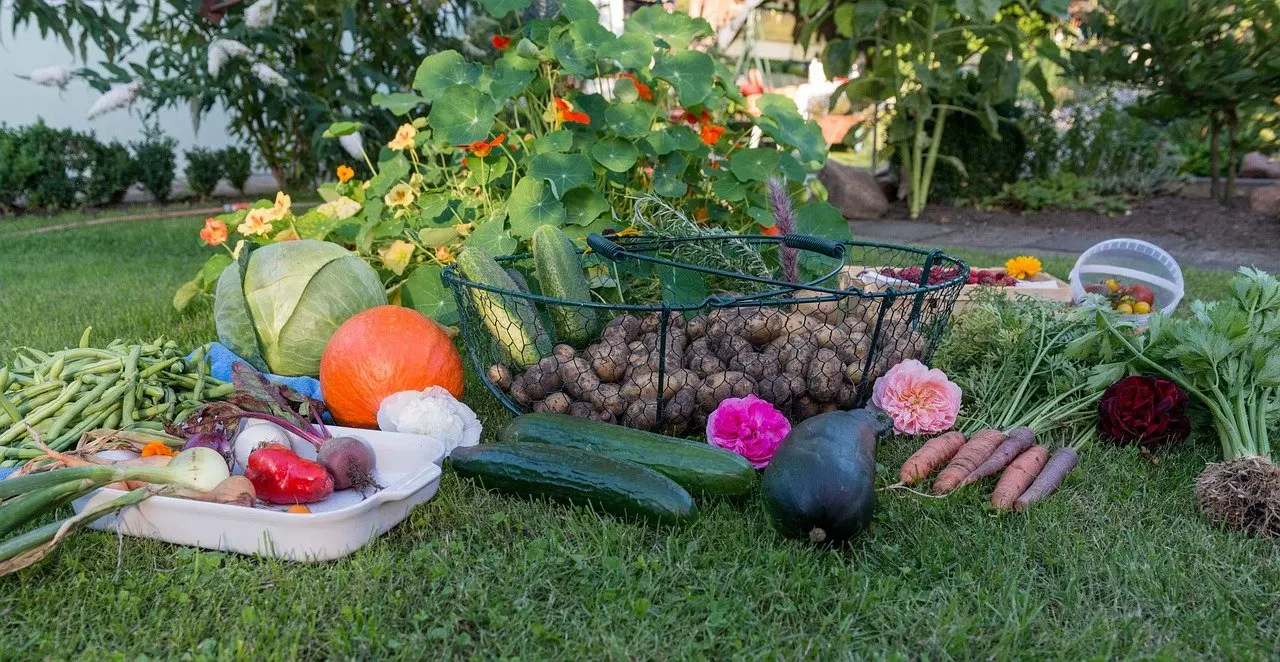
This suits households that cook daily and enjoy simple preparations. It suits less well anyone expecting tomatoes and peppers before summer is under way.
The early July basket
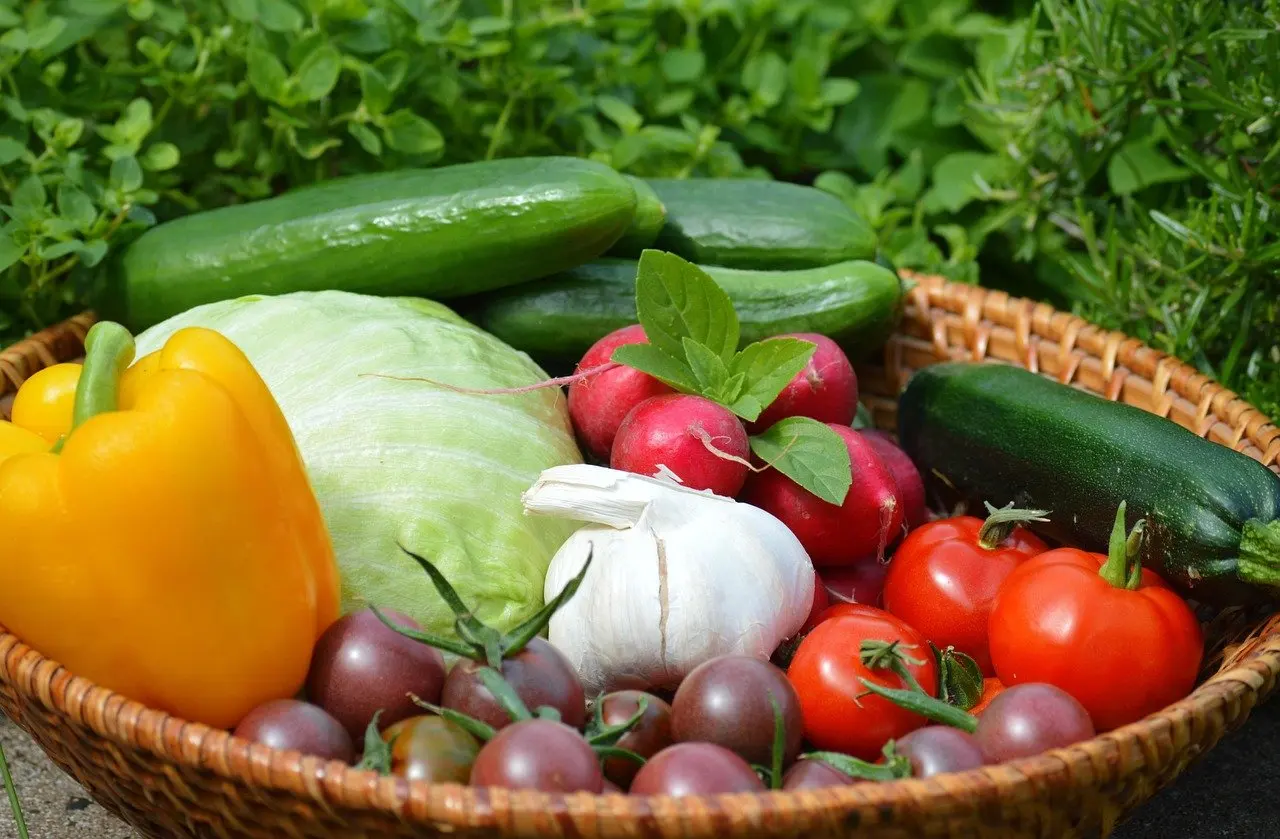
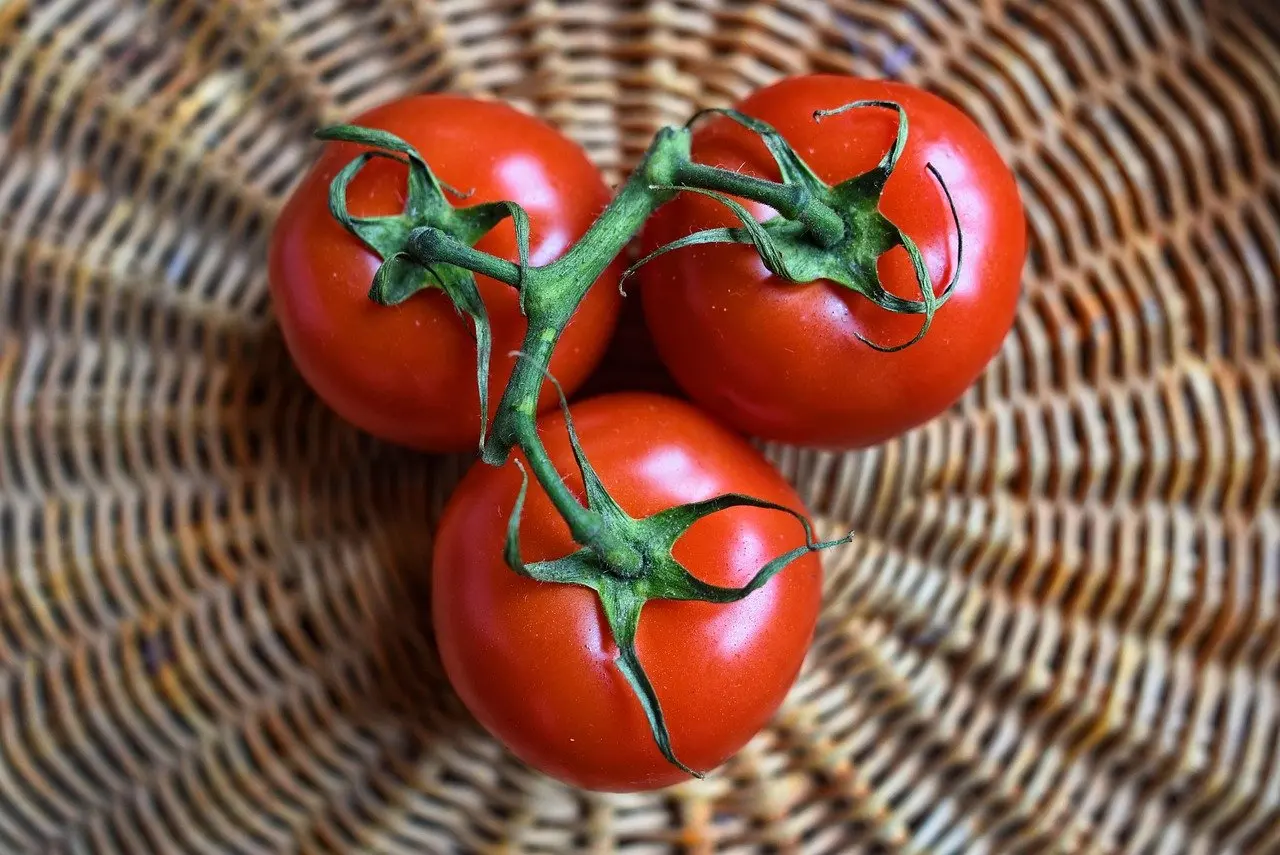
By early July the sample basket widens. Fermier de famille lists greenhouse tomatoes, lettuce, spinach, cucumbers, snap and/or snow peas, spring onions, pak choi, radishes and summer squash. Tomatoes and cucumbers appear this early because some farms use cold or heated greenhouses or tunnels to extend the growing season. The same guide names tomatoes, cucumbers, eggplants and peppers as the crops that gain from that extra time.
- Choose it if you want salads, quick sautés and raw snacking vegetables, since much of the list is leafy, crisp or tender.
- Wait if you want storage vegetables, because early July lists contain none of the garlic, potato or cabbage staples that dominate later baskets.
- Ask your farm whether it grows under cover, since that decides how early tomatoes and cucumbers reach the basket.
If you want peak summer variety
The late August basket
Late August is the fullest sample. Fermier de famille lists tomatoes, celery, lettuce, summer squash (zucchini and similar), garlic, yellow onions, eggplant, melons, beans and sweet peppers. This is the summer pattern a panier bio contenu été search is usually looking for: fruiting vegetables beside the first cured alliums.
- Tomatoes and eggplant carry most of the cooking: sauces, grilled dishes and roasted trays.
- Garlic and yellow onions arrive as flavour bases, so fewer pantry purchases are needed.
- Summer squash and beans suit fast sautés, while celery and lettuce cover raw plates.
- Melons and sweet peppers give the basket sweet notes that early July lacks.
This basket suits households with the time to cook through abundance. Smaller households may want a farm that offers a lighter share, since a wide mix means many items to use within the week.
If you are choosing an autumn basket
Late September: the changeover
Fermier de famille lists tomatoes, arugula, cherry tomatoes, nappa cabbage, potatoes, sweet peppers, beans, radishes, garlic and eggplant. Summer fruiting vegetables are still present, while nappa cabbage and potatoes signal the shift to heartier cooking.
Late October: squash and peppers
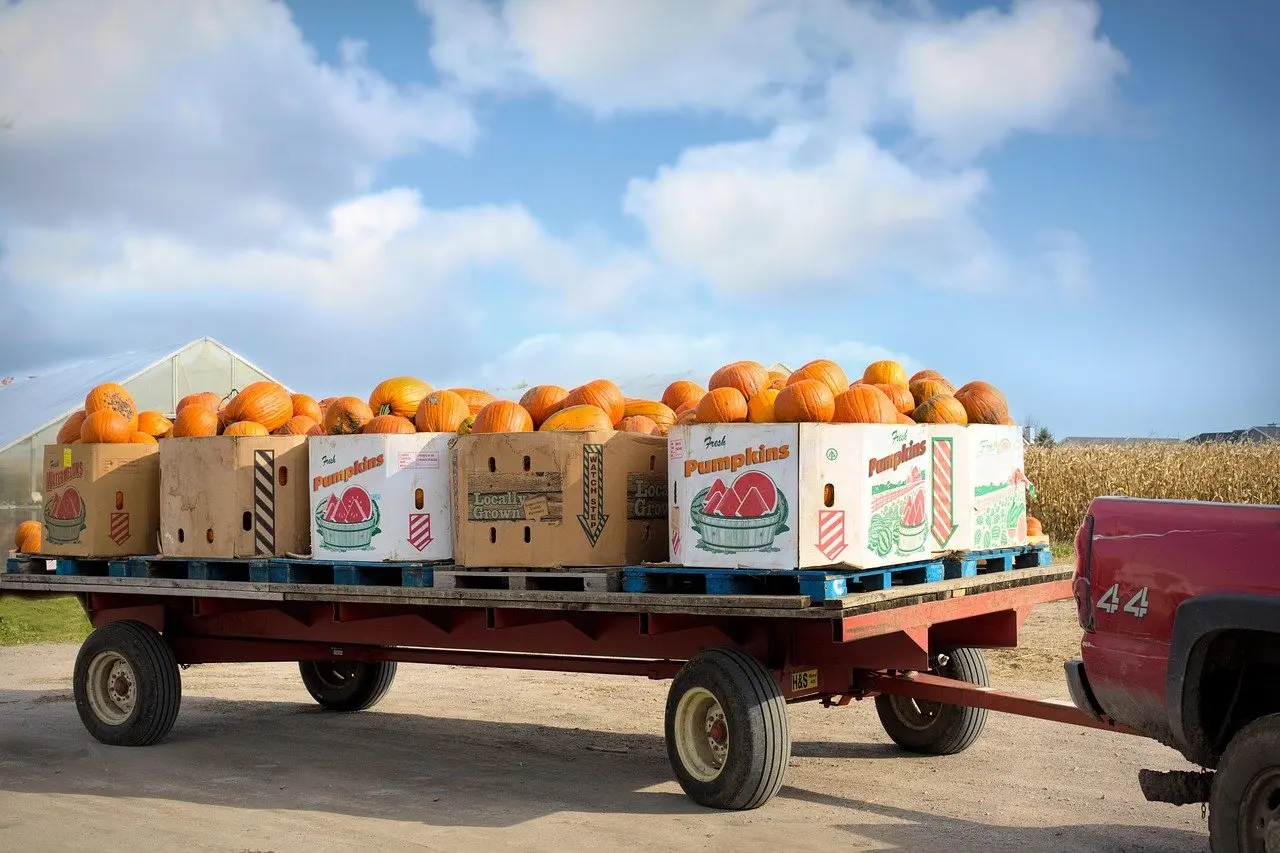
Late October brings paste tomatoes, winter squash, cherry tomatoes, hot peppers, nappa cabbage, sweet peppers, kohlrabi and carrots. Kohlrabi and winter squash are the clearest markers that the basket has moved on from summer. Anyone buying a panier bio for its autumn contents should expect a mix of the last peppers and tomatoes and the first long-keeping squash.
Summer versus autumn
The practical difference is shelf life. Summer baskets are weighted toward crops that suit quick cooking, while autumn baskets add squash, potatoes, cabbage and carrots that hold longer. Tomatoes and basil, in the words of Ferme Tournesol, are among the vegetables to harvest right away before the first frost, which explains why they thin out as autumn advances. The same farm offers a guide to managing September abundance with 3 storage zones: countertop, fridge and pantry.
- Pick summer if you want variety and fast meals.
- Pick autumn if you want produce that can wait several days in the kitchen while you plan meals.
- Pick both by joining a farm whose season runs across late summer and autumn, so the basket changes gradually rather than abruptly.
If you want a winter basket
All-winter roots and storage crops
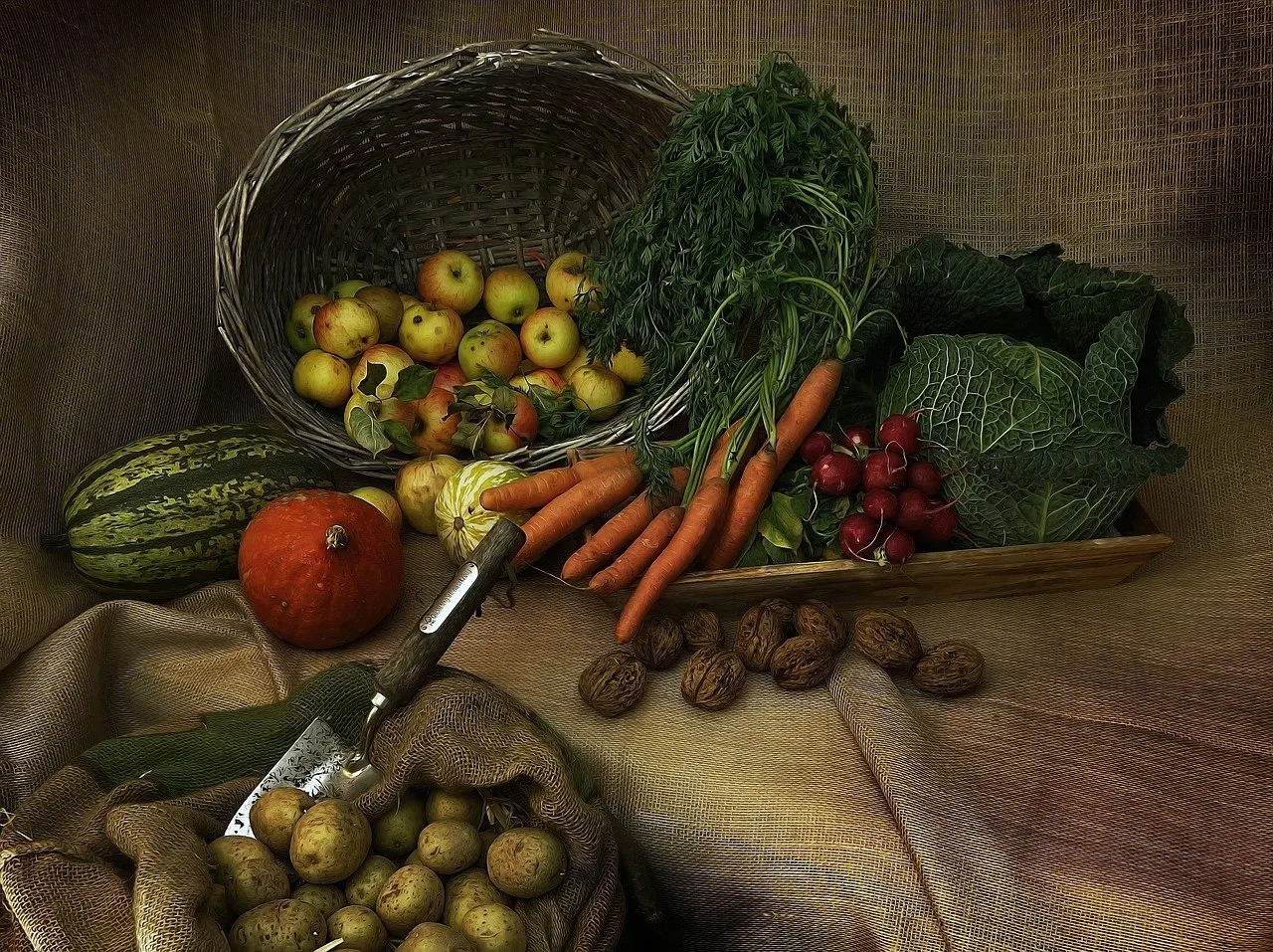
Winter baskets run on crops that keep. Fermier de famille lists garlic, beets, carrots, celeriac, nappa cabbage, ginger, cabbage, winter squash, turnips, shallots, potatoes and leeks for the whole winter. Ferme Tournesol notes that winter squash can be stored for months after harvest, which is why it sits in both the autumn and winter lists.
This basket suits cooks who enjoy soups, roasts and braises. It is a poor fit for anyone who wants salad greens through January, since the list is almost entirely roots, alliums and cabbages.
Apples, pulses and juice
Winter baskets can go beyond fresh vegetables. Fermier de famille mentions apples, split peas, dried beans and apple juice in its winter descriptions. These extras keep well and fill gaps in a root-heavy diet. They also show that a basket is a farm’s seasonal offering rather than a fixed vegetable list.
If you want eggs, meat or organic assurance
Meat, eggs and other extras
The sample lists above are vegetable-led, with the apples, split peas, dried beans and apple juice as the extras that appear. Whether a given farm adds eggs or meat is a decision for that farm, so check its basket description before joining rather than assuming. Where a farm sells animal products under an organic label, Horizon Nature explains that organic rules require animal feed made up of organic foodstuffs, excluding meat and bone meal.
What an organic basket means
Organic farming in Quebec bars synthetic fertilizers and phytosanitary products on crops, and promotes soil care through crop rotation and natural fertilizers such as compost and green manure, according to the same Horizon Nature overview. Products also need certification from an accredited body. The first Quebec farm certified organic was La Ferme Sanders in Compton, in 1979.
If organic matters to you, ask a farm for its certification instead of relying on the word alone. Our guide to a panier bio québec subscription covers how to compare offers, and the explainer on community supported agriculture quebec covers how the shared-harvest model works.
If you are new to Quebec produce
Baskets reward flexible cooks. Fermier de famille says each family farmer aims to provide a weekly abundance of variety, choice, freshness and quality, and adds that you may discover vegetables that are less familiar to you, a chance to try new recipes. Kohlrabi, celeriac and pak choi from the lists above are good candidates for that kind of experiment.
Local produce also has a place in Quebec cuisine. A news release on Quebec fruits and vegetables describes work on bringing locally grown produce into traditional meals and recipes, with guidance on the best times to buy specific items. It also reports that only 35% of Quebec’s population eats five portions of fruit and vegetables daily. A weekly basket that matches the harvest calendar is one practical way to put more seasonal vegetables on the table.
Frequently asked questions
| Question | Answer |
|---|---|
| Will a basket include vegetables I do not recognise? | Possibly. Fermier de famille says baskets can include less familiar vegetables, which gives you a reason to try new recipes. |
| Does a basket have to be organic? | No. Organic status depends on the farm. Under Quebec’s organic rules described by Horizon Nature, a product sold as organic must be certified by an accredited certification body. |
| Are baskets only a summer offer? | No. Farms such as those in the Fermier de famille network describe all-winter baskets of garlic, beets, carrots, celeriac, cabbage, winter squash, turnips and similar crops. |
| Why do baskets change so much from week to week? | Contents follow the harvest. Early lists lean on greens and greenhouse crops, and later lists lean on tomatoes, squash, roots and cabbage. |