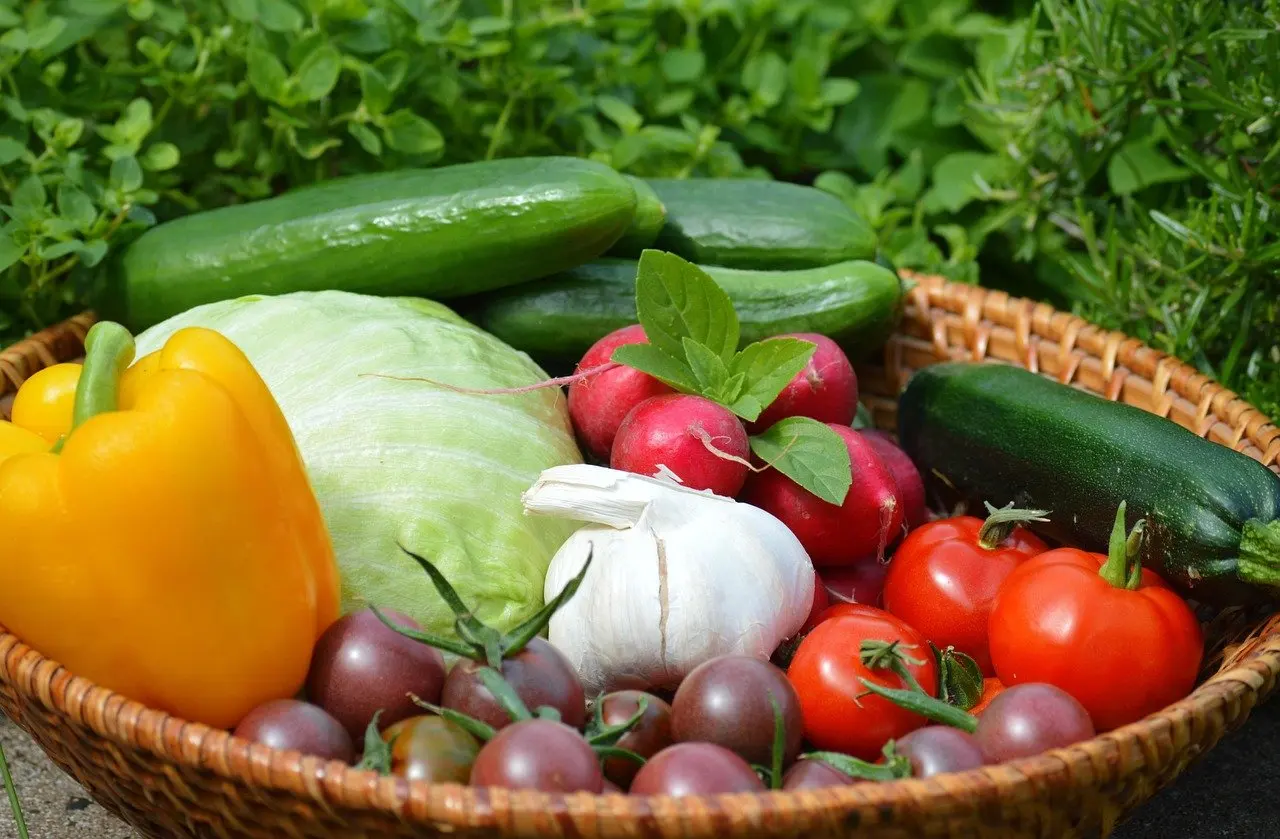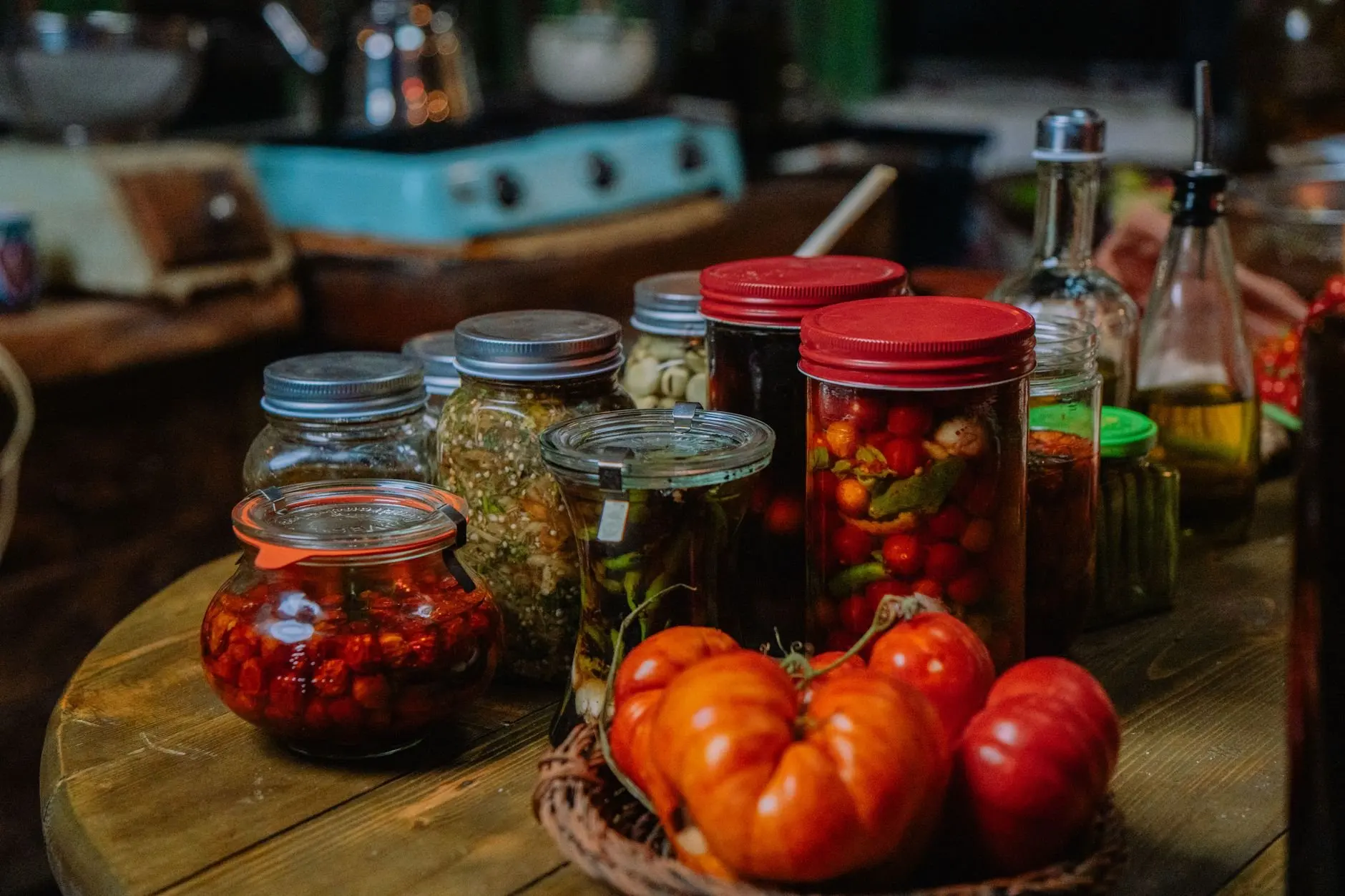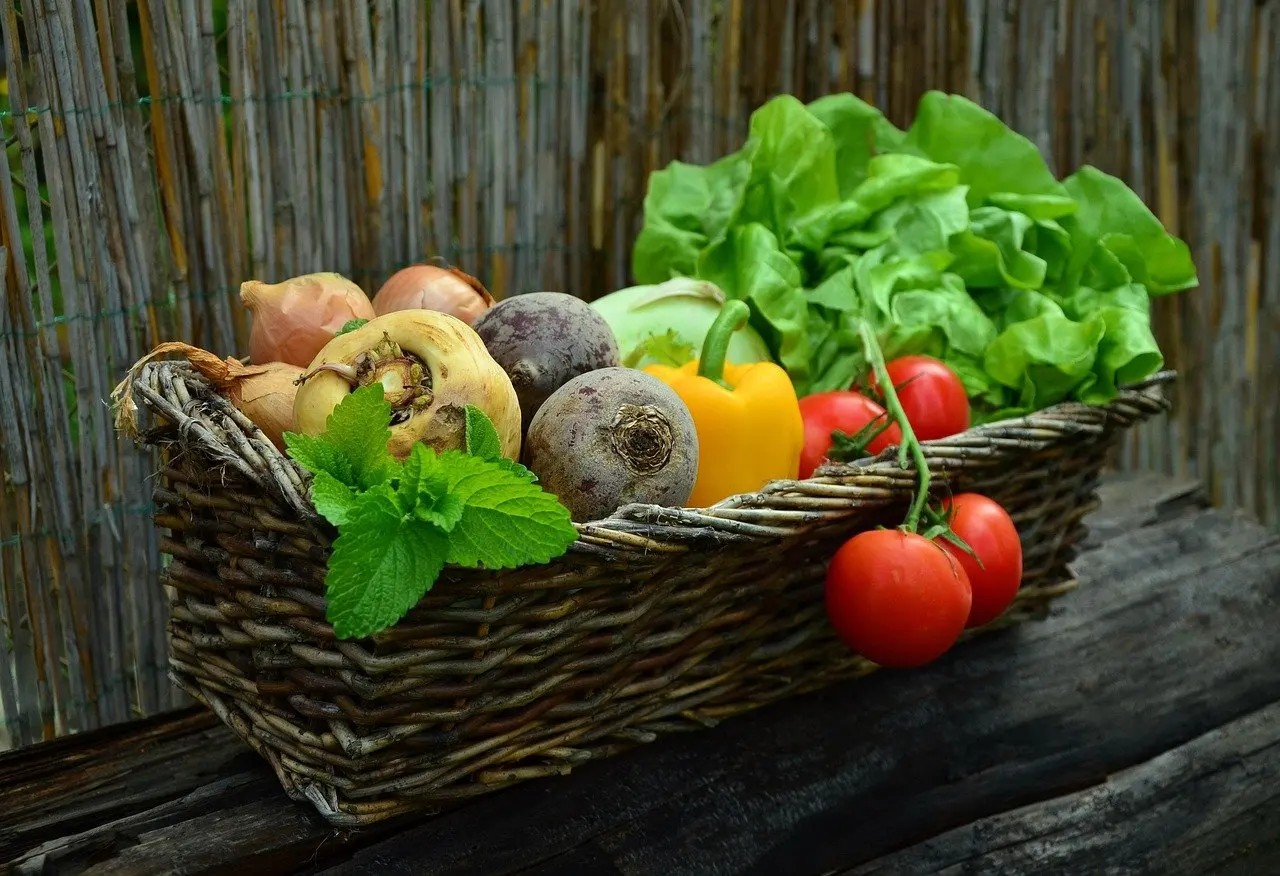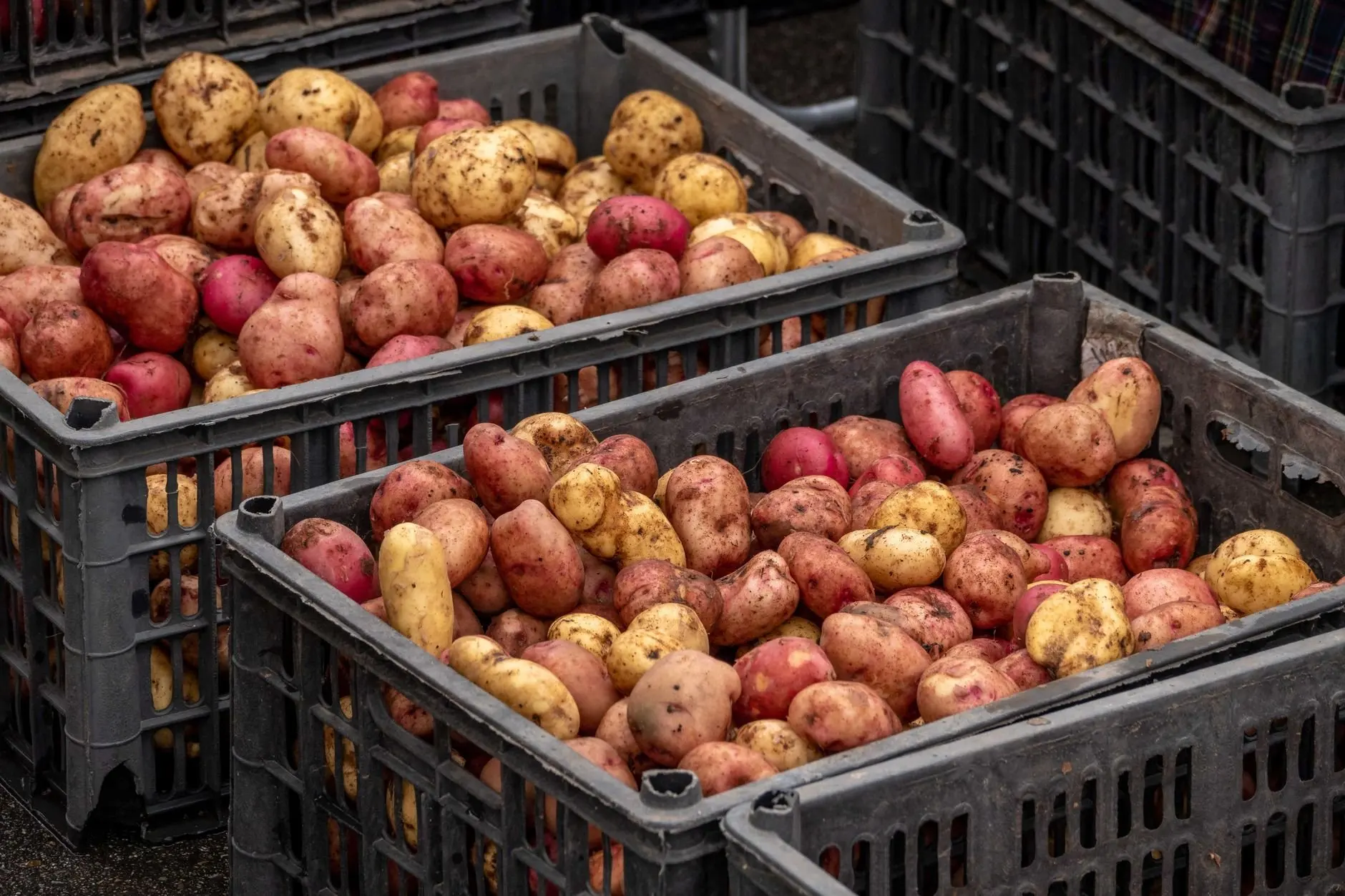
A household that wants weekly local vegetables and meat can follow a food cooperative quebec route: join, collect a basket, then plan meals around what arrives. This guide matches each goal to a starting point.
Quebec offers several ways to get local food, and they suit different households. The routes below run from understanding the model to cooking from it, so readers can enter at the point that fits their situation.
Reader routes through the topic
Most readers fall into one of three positions. They are new to cooperatives, they already hold a basket and need to use it well, or they want recipes first and a membership later. Follow the order below if you are starting from nothing.
- Understand the model. Read how how does a food cooperative work in quebec is answered in detail, so you know who owns the organization, who grows the food and what a member actually commits to.
- Check the budget. Compare your weekly food spending against the guide on how much does an organic vegetable basket cost quebec before you sign up for anything.
- Settle collection. Decide whether a pickup site or home delivery fits your week, because a basket that is awkward to collect tends to be wasted.
- Cook from the box. Plan the first week of meals around perishable items, then move to roots, squash and the pantry.
New to cooperatives
Start with the model and the pickup logistics, and leave recipes until you have a collection routine. A household that cannot predict when it will be home on collection day should look at delivery options before anything else. Convenience problems usually cause members to stop, while cooking problems can be solved with a few reliable recipes.
Already holding a basket
If a basket is already arriving, the useful questions are storage order and recipe fit. Eat the most perishable items first, and reserve sturdy vegetables for later in the week. The sections on cooking and preserving below are written for this reader.
Cooking-first readers
Readers who want recipes before a commitment can go straight to the soup, meat and root vegetable sections. The dishes are built from ordinary basket ingredients, so they also work as a test of whether weekly vegetables suit your kitchen habits.
How a Quebec food cooperative works
A food cooperative is an organization shaped around its members, who use it to obtain food from producers they can identify. The member is both the customer and a participant in the organization, which separates a cooperative from an ordinary shop.
In practice, Quebec cooperatives and farm-linked baskets sit on a spectrum. At one end, households deal directly with a single farm through community supported agriculture quebec, which links local buyers and farmers around a weekly basket. At the other end, a cooperative may work with several producers and offer staples beyond fresh vegetables.
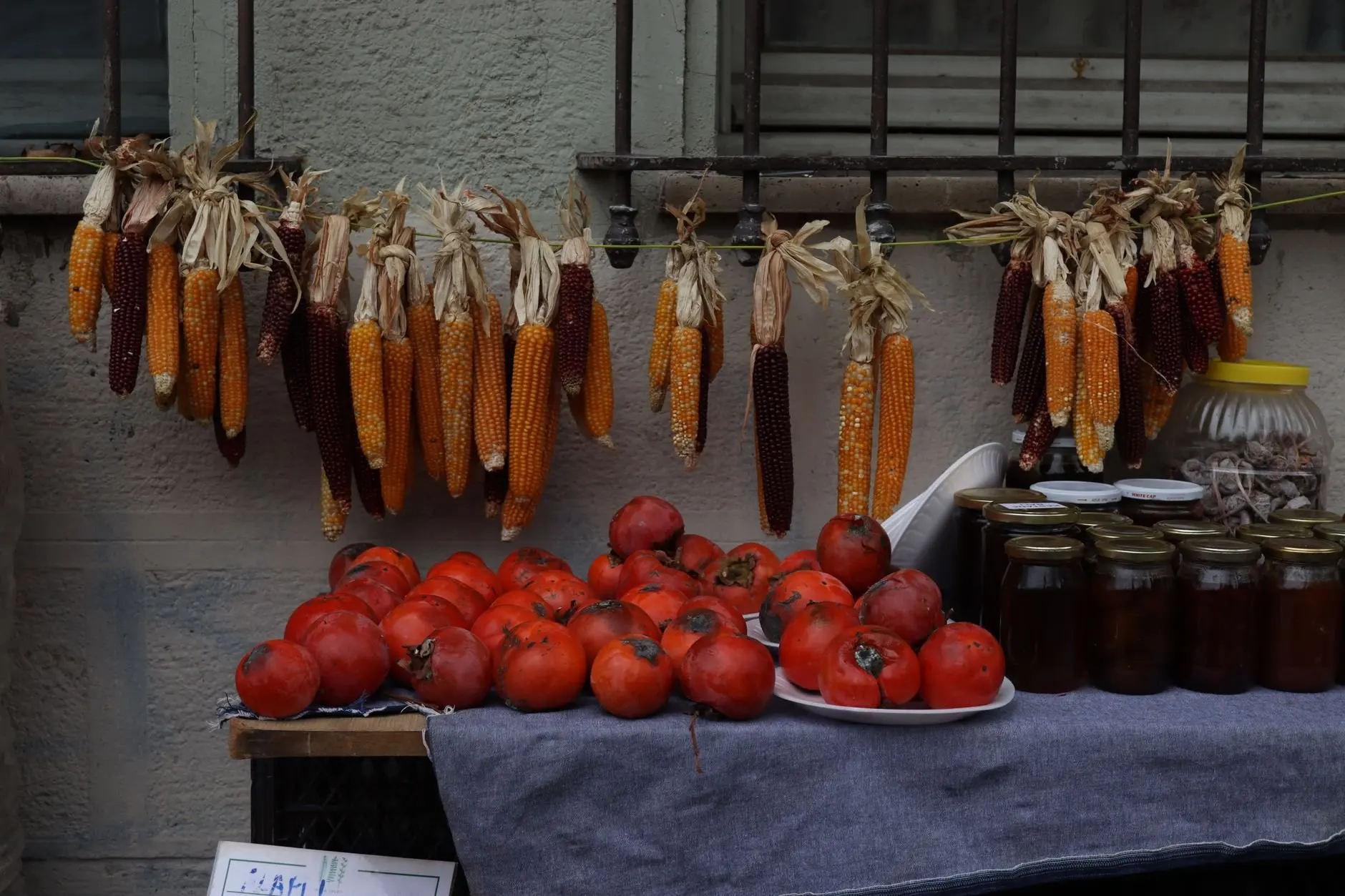
One example of the second kind is Coop Agrobio du Québec. The Aliments du Québec directory lists the enterprise in the Montérégie region, with a mailing address at C. P. 152, Chambly QC J3L 4B3. The directory entry shows a pantry range of organic products rather than a vegetable-only box, which is a useful reminder that cooperatives differ in what they supply.
Questions to ask before joining
- What is supplied. Fresh vegetables only, or also meat, flour, oils and cereals? A wider range suits households that want fewer shopping trips.
- How ordering works. Some arrangements fix the contents each week. Others let members choose, and the difference changes how much planning is needed.
- Where and when to collect. Pickup arrangements decide whether the model fits a working week.
- What happens in a poor week. Ask how the organization handles shortfalls, because farm production changes with weather and season.
A cooperative suits a household that values knowing where food comes from and is willing to cook what is available. It suits a household that must choose every ingredient in advance less well, and that household may prefer a pantry-style purchase supplemented with fresh items.
Organic staples and the pantry side
Organic farming is the production approach behind the Aliments du Québec bio mark that appears in the directory listing for Coop Agrobio du Québec. The listing names organic spelt flour, whole wheat flour, rye flour and all-purpose flour, plus organic oat flakes under cereals and granola and organic sunflower oil under oils.
That list matters for cooks because a basket of fresh vegetables covers only part of a week’s meals. Flour, oats and oil are the supporting ingredients that turn vegetables into finished dishes. Anyone comparing options for a panier bio québec should check whether the supplier covers these staples or only produce.
Putting the staples to work
- Oat flakes. They work for porridge, and they also make a crumble topping for baked fruit when apples are in the basket.
- Sunflower oil. A neutral oil is a practical choice for roasting roots, because it lets the vegetable flavour lead.
- All-purpose flour. It thickens soups and stews, and it coats meat before browning.
- Whole wheat, spelt and rye flours. These suit bread and baking, where the heavier flavour is part of the appeal. Cooks new to them should substitute gradually rather than swap them wholesale for white flour.
A pantry range from one supplier also simplifies planning. A household can buy flour and oil in the same transaction as its fresh food, then reserve the weekly effort for vegetables and meat.
What arrives from the field
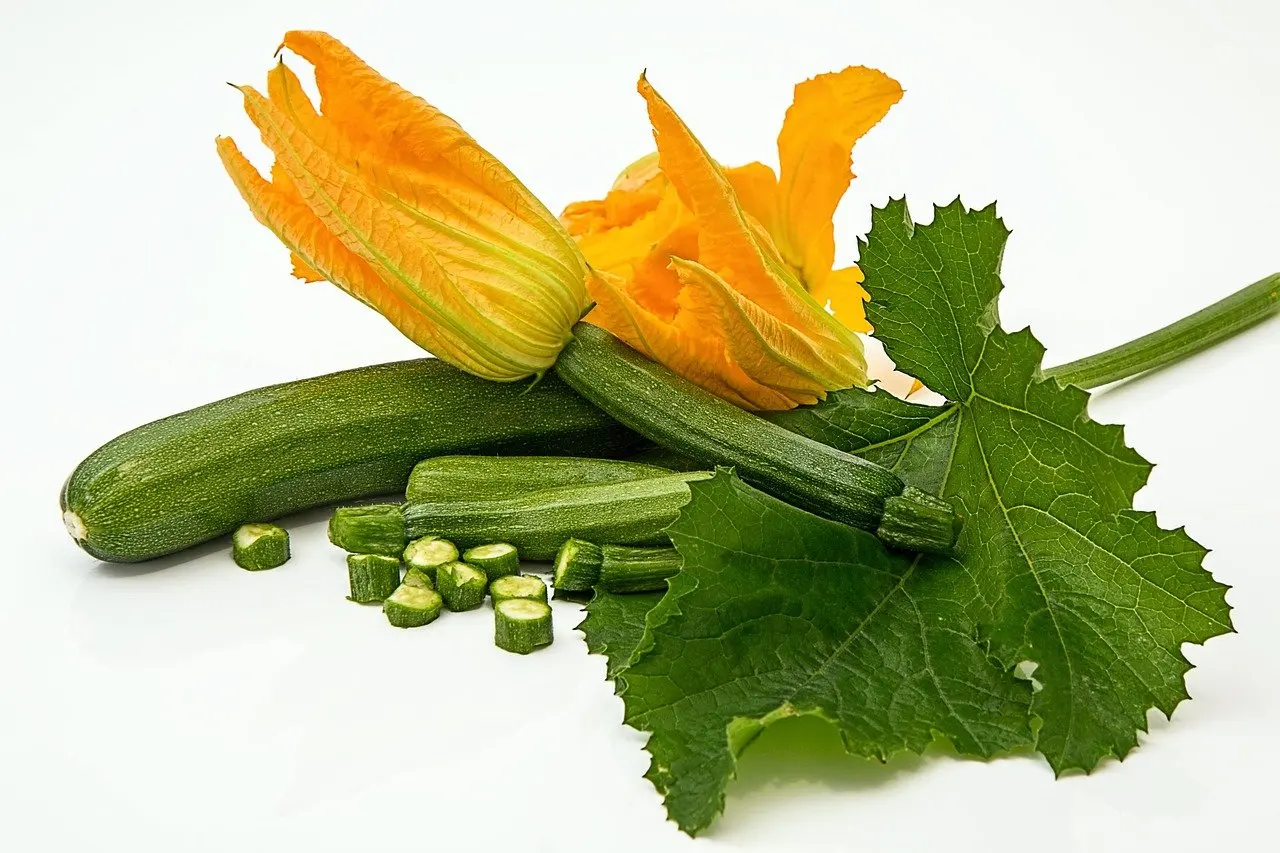
A basket reflects the growing season, so its contents change from week to week. A guide to what is in a quebec vegetable basket is the right companion once you know which farm or cooperative you will use. The general pattern is that summer brings tender crops such as zucchini and summer squash, while colder months lean on roots.
Cook by perishability, not by recipe
The most useful habit for basket cooking is sorting produce by how quickly it deteriorates. Leafy greens and tender summer vegetables go first. Carrots, potatoes and other roots can wait, so they suit the end of the week when plans change.
Carrot tops and similar leafy parts are worth using promptly if you intend to cook them at all, because they wilt well before the roots do. Separating them from the roots on the day of collection is a simple way to keep both in better condition.
When contents surprise you
An unfamiliar vegetable is a reason to cook it in the simplest way once, such as roasting or simmering in soup, before looking for an elaborate recipe. Mild, forgiving techniques show what the vegetable tastes like. Households that treat the basket as a prompt, not a shopping list, usually waste less.

Pickup points and delivery
The collection method decides whether a basket fits real life. A vegetable basket pickup point quebec is usually a community site where members arrive at an agreed time, and some members help sort produce. Delivery removes the trip but may not suit every cooperative or location.

Basket route compared with on-demand grocery delivery
Fast grocery delivery is a different tool from a cooperative basket. It fills gaps, while a basket supplies a planned weekly base. The comparison below shows what each verified listing offers.
| Option | What the listing shows | Planning use |
|---|---|---|
| Coop Agrobio du Québec (Montérégie) | Organic spelt, whole wheat, rye and all-purpose flours; oat flakes; sunflower oil | Stocks the pantry that supports basket vegetables and meat; suits households that cook bread, porridge and stews. |
| On-demand grocery delivery in Varennes | Orders can arrive in as fast as 25 minutes; delivery windows in 30-minute segments, schedulable up to a week ahead; fresh produce, meat, frozen meals and household goods | Covers a missing ingredient or a week without collection; less suited to a regular supply from a known producer. |
Figures come from the Aliments du Québec enterprise listing for the cooperative and the Varennes grocery delivery page.
The practical conclusion is to treat the two as complements. A household that relies only on rapid delivery gives up the direct link to producers, while a household that relies only on a weekly basket needs a backup for the days when the box runs short.
Cooking the first weeks
Soup is the safest first recipe for a new basket because it absorbs whatever is on hand. A pot of root vegetables simmered in broth tolerates odd quantities and uneven pieces, and it keeps well for lunches. For a structured plan, how to use a weekly vegetable basket sets out an order for the week.

A flexible vegetable soup
- Soften chopped onion in a little oil, such as sunflower oil, until it turns translucent.
- Add the hardest vegetables first, usually carrots and potatoes, and cover with broth or water.
- Simmer until the roots are tender, then add any softer vegetables so they do not overcook.
- Season at the end, tasting before adding salt, and mash part of the pot for body if you want a thicker texture.
The method scales with the basket. A light week yields a thin soup, so adding oat flakes or a little flour-thickened base gives it more substance without extra shopping.
Planning the rest of the week
After soup, roast a tray of mixed roots, and use leftovers in a second meal such as a hash or a filling for a savoury roll. Cooking one large batch in the middle of the week also protects the most perishable items from being forgotten. When the basket contains something you dislike, pair it with a stronger flavour rather than leaving it in the fridge.
Meat and traditional Quebec dishes
Meat shared with vegetables is the point where basket cooking meets traditional Quebec home cooking. Several classic dishes were designed to stretch a modest amount of meat across a family with whatever vegetables were available, so they fit cooperative boxes well.

Choosing a dish by cut
- Sausages. They cook quickly and pair with robust vegetables. The recipe for saucisses à la bière et légumes recette shows how sausages and vegetables share a pan.
- Boiled meat dinners. A single pot cooks meat and vegetables together, and the method suits the sturdiest roots. The bouilli aux légumes campagnard is the long-simmered, country-style version.
- Pork chops. Thick chops take a filling and bake in the oven, which makes them a good weekend dish. See the instructions for côtelettes de porc farcies au four.
- Ground meat. Minced beef or chicken stretches furthest when combined with vegetables and rolled. The roulé au boeuf haché recette gives the method.
Lean cuts dry out easily, so cook them gently or with a sauce. Tougher cuts reward slow cooking with moisture, which is why boiled dinners and braises have lasted in home cooking. Matching the cut to the method matters more than following any recipe exactly.
Using vegetables to carry the meat
Onions, carrots and potatoes are the standard base for these dishes, and a basket normally supplies them. Roasting the vegetables in the same dish as the meat lets their juices mingle, and it reduces washing up. The vegetables should be cut to a size that matches how long the meat needs.
Storing, preserving and seasonal cooking
A glut of one vegetable is a common basket problem, and summer squash is the usual example. Zucchini can be grated into batters, sautéed quickly or cooked into soup, and a household that has more than it can eat should also consider sharing or preserving some.
Storage decisions
Storage method depends on the vegetable, and a dedicated guide on how to store csa vegetables covers each type. The principle is to keep roots cool and dry, wrap leafy items so they do not wilt, and avoid washing produce before storing it unless you plan to use it that day.
Autumn fruit and winter roots
Autumn baskets can include apples, and a variety such as the pomme lobo has its own uses and storage needs. When colder months narrow the choice to roots and stored crops, a recipe collection helps. The list of winter root vegetable recipes gives variety so the same carrots do not become the same soup every week.
The most reliable preservation approach is to cook a surplus into something that freezes well, such as soup, rather than preserving raw produce in a hurry. Soup, stews and cooked fillings keep their quality and can fill future gaps.
Community and the local food system
A local food system links growers, processors and households within one region. A cooperative strengthens the link by giving members a say and giving producers a predictable group of buyers. For a deeper case, the guide on pourquoi acheter local sets out the reasons people choose local sourcing.
What a local system does for a household
The main benefit is a shorter distance between the person who grows the food and the person who cooks it. Households learn which vegetables are in season and when, and the knowledge improves their cooking. The trade-off is less choice on any given day, which is a genuine limit and not a flaw for readers who value variety on demand.
Producer names also help readers navigate the market. For one brand-focused explainer, see the page on aliments trigone.
Choosing your level of commitment
A reader who is unsure can begin small: buy pantry staples from an organic supplier, visit a pickup site or try a short season before committing to a full year. A household with irregular hours may prefer a flexible arrangement, while a household that cooks daily will benefit most from a weekly box. In every case, the cooking plan matters as much as the membership, because food that is collected but not cooked has no value.
Frequently asked questions
| Question | Answer |
|---|---|
| How does a food cooperative in Quebec work? | Members use the organization to obtain food from identifiable producers, and the cooperative arranges supply and collection. Details such as ordering, contents and pickup vary by cooperative, so ask each one directly. |
| Which organic staples can a Quebec cooperative supply? | The Aliments du Québec listing for Coop Agrobio du Québec names organic spelt, whole wheat, rye and all-purpose flours, oat flakes and sunflower oil. |
| Can fast grocery delivery replace a weekly basket? | It serves a different need. A listing for Varennes shows delivery as fast as 25 minutes and windows in 30-minute segments, which suits gap-filling more than a regular supply from a known producer. |
| What should be cooked first from a new basket? | Cook leafy and tender vegetables first and keep roots for later. Soup is a forgiving first recipe because it takes whatever quantity arrives. |