Quick answer: How to store CSA vegetables depends on the vegetable: eat leafy greens first, keep carrots, potatoes and cabbage cold for later, and blanch then freeze whatever will not be eaten in time.
For the wider picture of local food, cooperatives and recipes, see the food cooperative quebec guide. This page covers what to do once the basket is on the counter.
Sorting the basket by time horizon
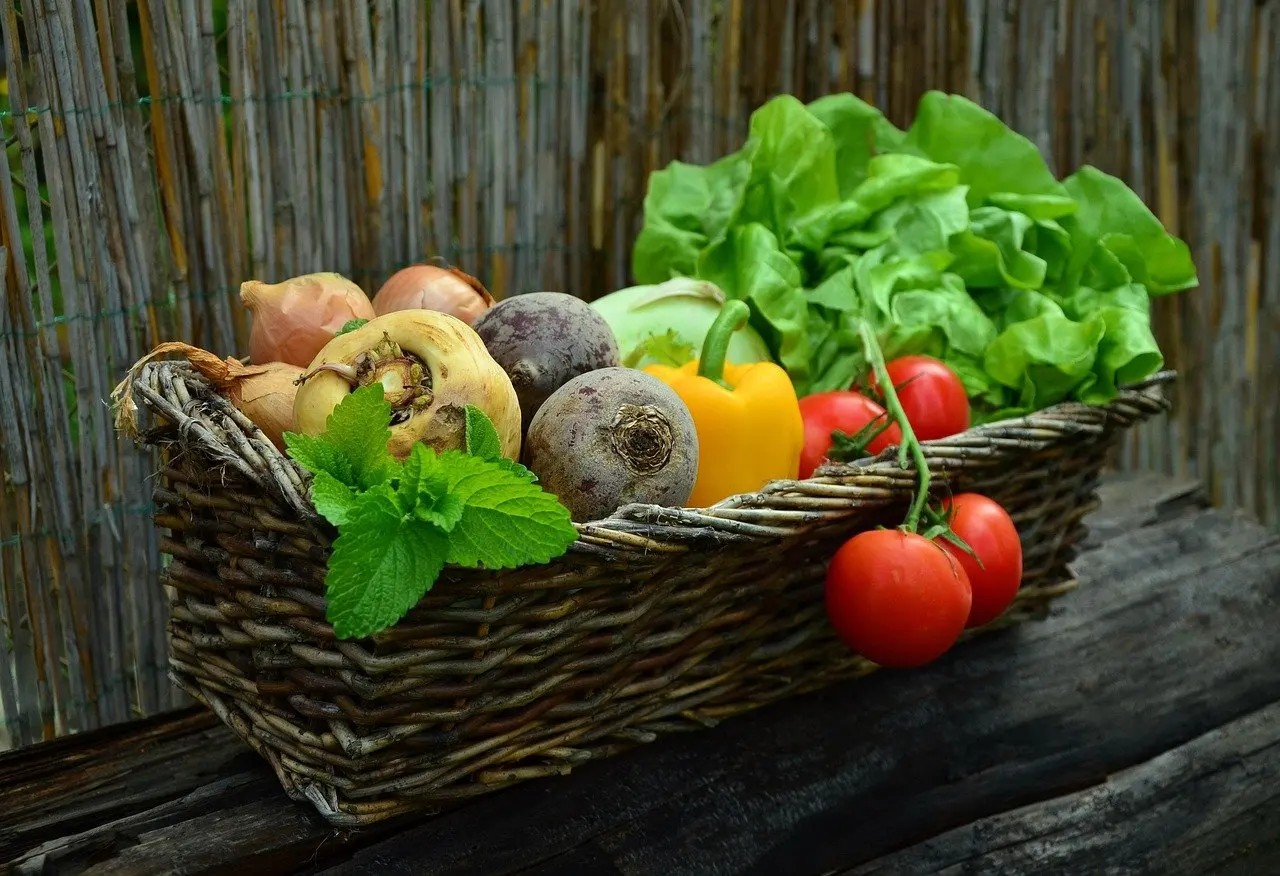
A full weekly basket holds items with very different storage needs, so sort it before anything goes into the refrigerator. Three groups cover almost every basket.
- Eat first: leafy greens and fruiting vegetables. They have the narrowest storage options, so plan the first meals of the week around them.
- Keep for later: carrots, potatoes and cabbage. They hold well in cold conditions, with cabbage lasting up to four or five months when it is wrapped properly and kept cold and humid.
- Preserve: anything the household will not finish while it is still at its best. Blanching and freezing is the main route, covered below.
The right group depends on how fast the household cooks, not only on the vegetable. A single person with a large cabbage should move it to long storage or the freezer sooner than a family of five would.
Storage conditions by vegetable
The table turns the extension and farm guidance into a quick sorting tool. Temperatures are in °F as published.
| Vegetable | Conditions | Time horizon | Planning use |
|---|---|---|---|
| Leafy greens | Refrigerator, in a loosely closed or minimally perforated container rather than a sealed one. Lettuce belongs in the coldest area. | Eat first | Use in the first meals after pickup. |
| Fruiting vegetables | 40°F to 50°F, which is warmer than a refrigerator. | Eat early | Keep them out of the cold drawer and use them before the roots. |
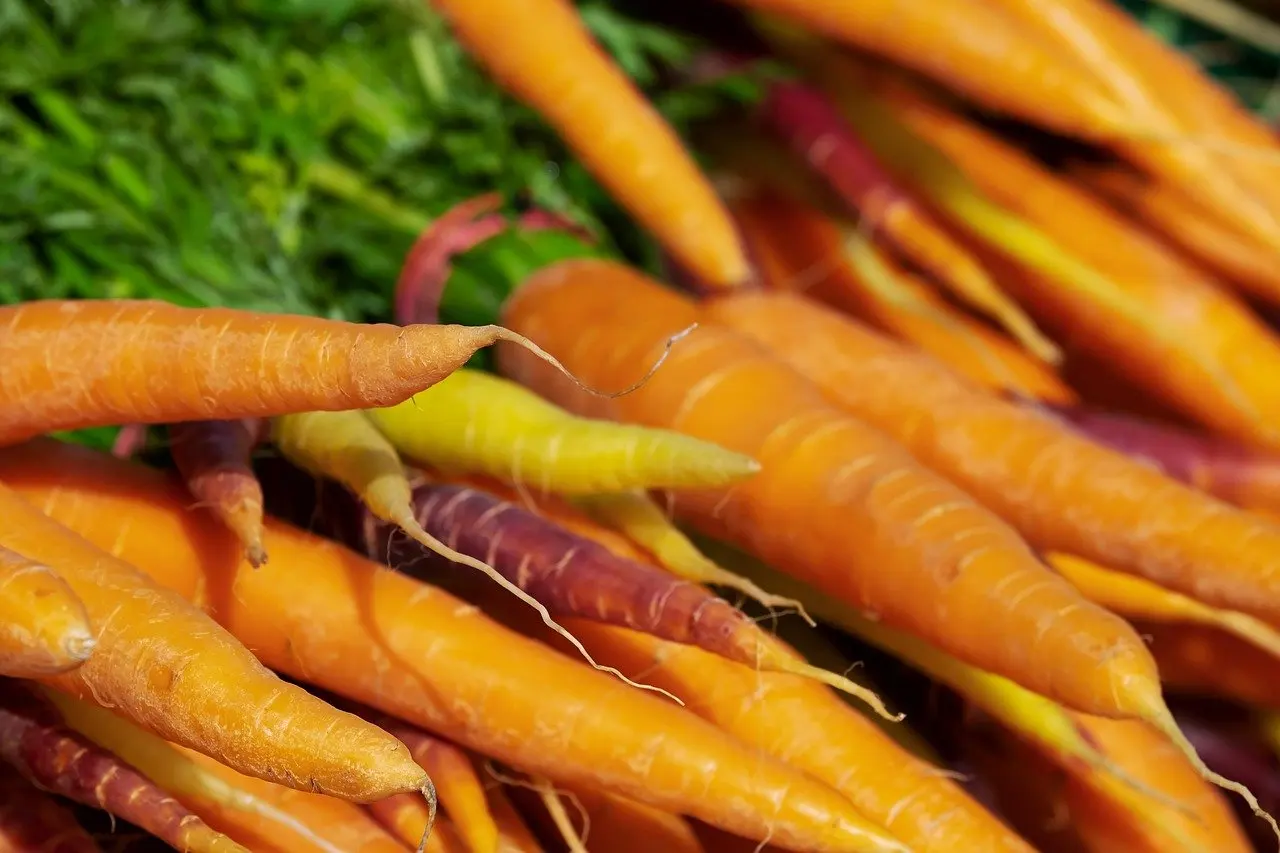
| Carrots | 32°F, at 90 to 95 percent relative humidity, without condensation on the surface. Coldest area of the refrigerator. | Keep for later | Reserve the coldest refrigerator space for them. |
| Potatoes | 33°F to 40°F to prevent sprouting and keep them through winter. 40°F to 45°F if they will be baked or boiled. Dark storage, away from onions. | Through winter | Use the cold end for long holding. |
| Cabbage | 32°F to 40°F, wrapped properly, cold and humid. Coldest area of the refrigerator. | Up to four or five months | The best candidate for long storage without processing. |
Figures come from the University of Alaska Fairbanks Cooperative Extension for carrots, potatoes, cabbage and lettuce, and from Featherstone Farm’s CSA storage guide for greens and fruiting vegetables.
Refrigerator and crisper drawer
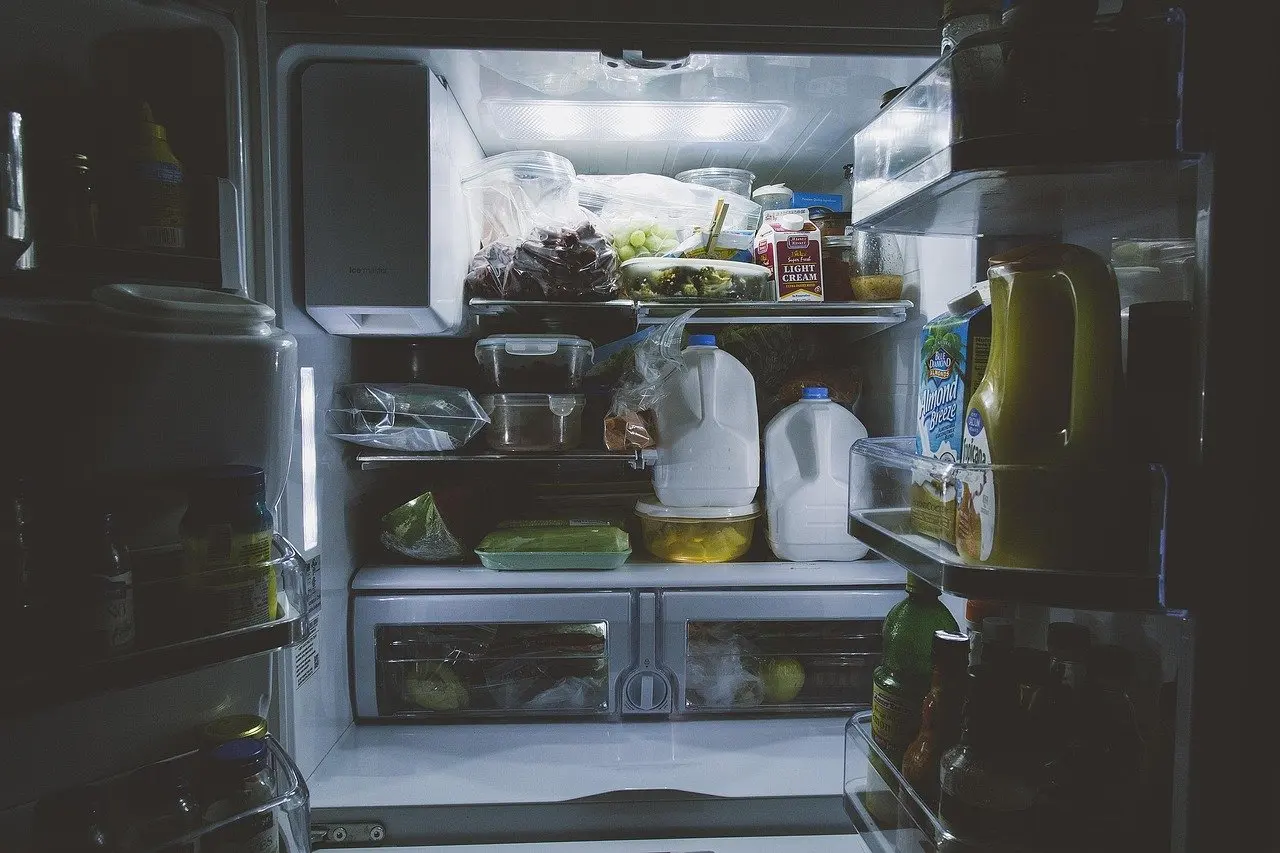
A home refrigerator at the recommended setting holds most fruits and vegetables between 32°F and 41°F, according to UAF Cooperative Extension. The extension service lists cabbage, carrots, parsnips, apples and lettuce as the items that belong in the coldest area.
Wrapping and containers
Red Fire Farm advises against putting produce straight into the refrigerator without a wrap. Bag or wrap greens, roots and peppers loosely instead, as described in its produce storage tips. A loose wrap keeps produce from drying out in the cold, and a loose fit leaves room for air. The crisper drawer works well as the base for this arrangement because it keeps the wrapped items together in one place.
Which produce to keep apart
Some fruits and vegetables release ethylene gas, and others are damaged by it. UAF Cooperative Extension names the following examples, and the pairing decides what should not share a drawer.
- Ethylene-sensitive: carrots, green beans, cabbage-family vegetables, celery, lettuce, cucumbers, spinach, watermelon and peppers.
- Ethylene-releasers: apples, bananas, kiwi, peaches, mangoes and tomatoes. The same extension guide says to store potatoes away from onions, which release ethylene gas.
Red Fire Farm adds green onions to the releasers and warns that the gas will cause the remaining produce to spoil. Featherstone Farm names apples and musk melons and recommends a separate drawer for fruit. Apples such as the pomme lobo are a common basket item, and they are also on the extension’s list of produce for the coldest area, so the practical compromise is to give fruit its own bag or drawer wherever space allows.
Root cellar and cold storage
A root cellar suits households that receive large quantities of roots late in the season. Root crops there should be held as close to the freezing point as possible, right at 32°F, in damp air at or above 98 percent relative humidity, according to Chelsea Green Publishing. The same article puts the freezing point of carrots and beets at around 29°F, so a cellar that drifts toward that level risks damaging them.
Carrots, potatoes and the humidity gap
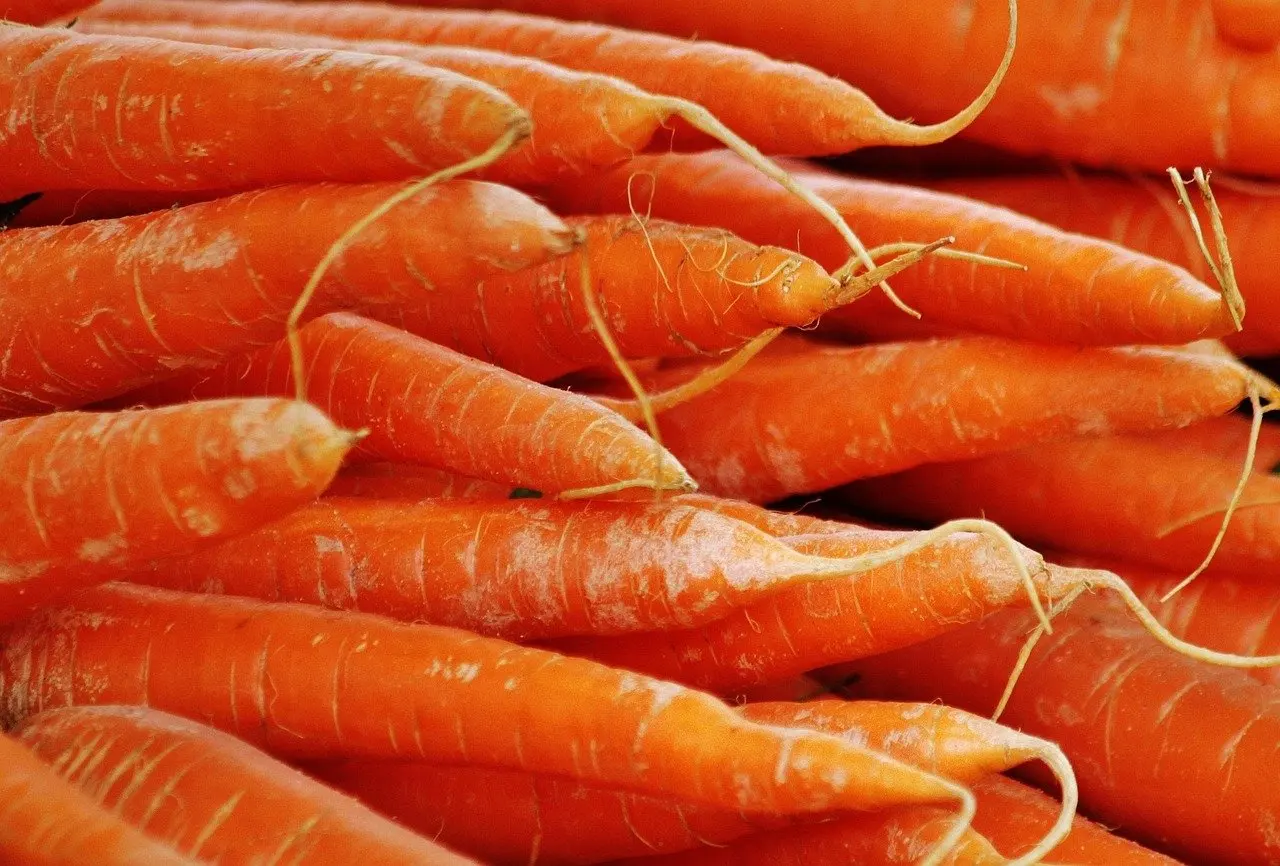
Extension guidance for carrots is slightly gentler: 90 to 95 percent humidity, with no condensation on the carrot surface. The practical reading is that roots need damp air but not dripping surfaces. Chelsea Green gives an ideal range of 38°F to 45°F for potatoes on small and mid-sized farms, with relative humidity above 95 percent. Potatoes sit at the warmer end of the cellar’s range, so give them their own corner rather than the coldest shelf. Featherstone Farm adds that all root crops prefer the dark, so keep covers on crates or choose a lightless spot.
Keeping roots without a cellar
Root vegetables can be kept without a cellar, with a smaller capacity. The refrigerator’s coldest area handles carrots, parsnips and cabbage. For a large volume of carrots, UAF Cooperative Extension says layering them in damp, not wet, sand helps them retain firmness. A lidless bin of sand in the coldest, darkest space available is the closest home equivalent. Potatoes are the harder case, since they need the 33°F to 40°F range and darkness to stay unsprouted through winter.
Once roots are stored and waiting, winter root vegetable recipes give a way to use them through the cold months.
Blanching and freezing what will not keep
Freezing handles the surplus that outlasts the household’s appetite. According to Red Fire Farm’s storage advice, blanching deactivates the enzymes that reduce the storage life of frozen produce. Blanch the vegetables meant for the longest freezer stays, and freeze the quick-use items directly.
Blanch
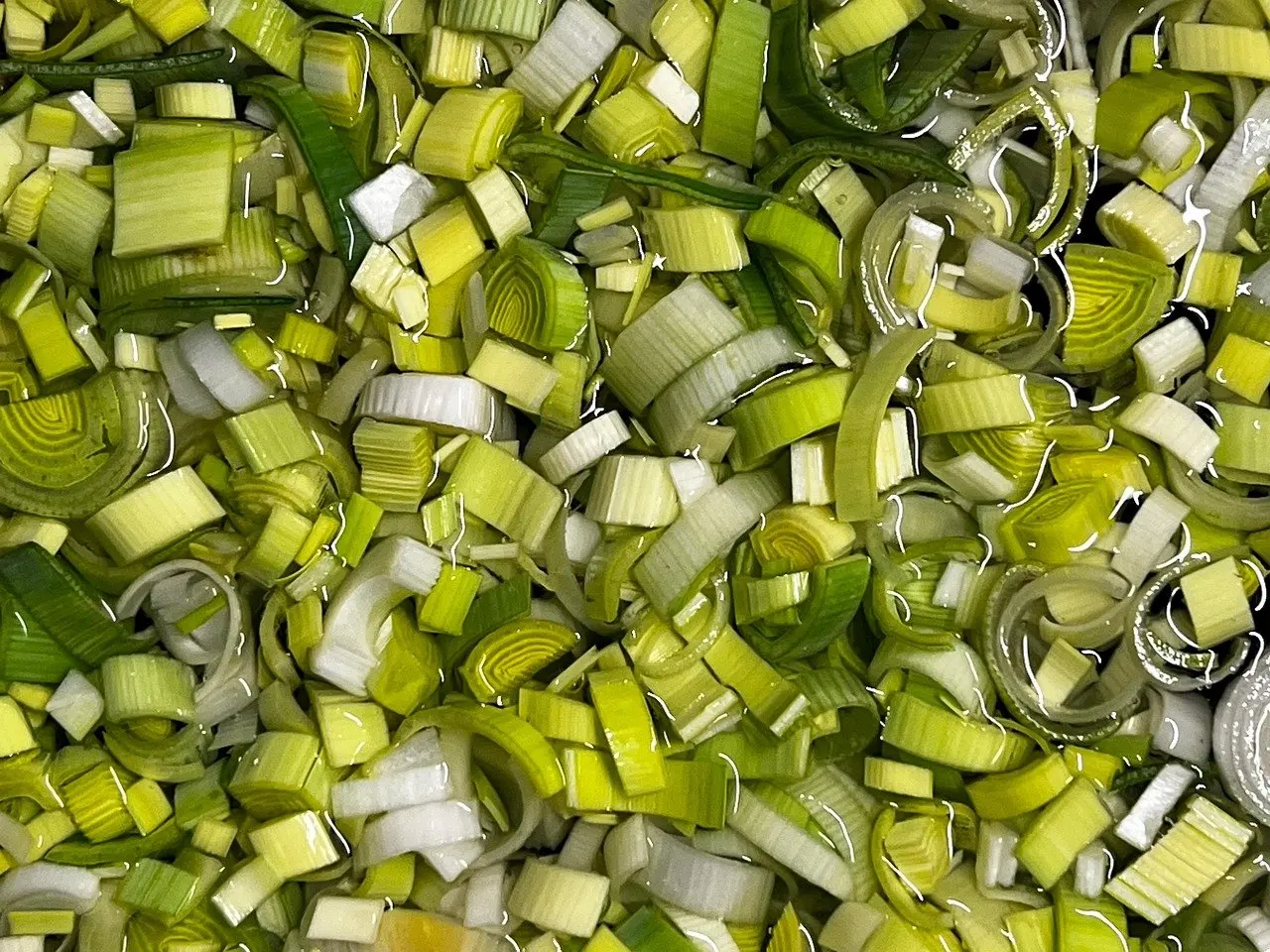
Steam or boil the vegetables for 2 to 3 minutes, with the time varying by produce. The farm does not give separate times for each vegetable, so treat the range as a starting point and keep dense pieces similar in size so they cook evenly.
Cool
Move the vegetables straight into cold water and let them soak for the same amount of time they were blanched. The cooling soak stops the cooking so the vegetables stay crisp when thawed.
Pack
Most fresh foods can be frozen in freezer-grade plastic bags or storage containers, according to UAF Cooperative Extension. Drain well, label with the vegetable and the date, and keep the packages flat so they stack.
Troubleshooting storage problems
- Slimy greens: a sealed bag or container is the likely cause, since Featherstone Farm warns that greens kept this way get slimy. Switch to a minimally perforated or loosely closed container.
- Early rot in a crowded drawer: check whether apples, tomatoes or onions share the space with ethylene-sensitive vegetables, and separate them.
- Sprouting potatoes: check for light exposure and for temperatures outside the 33°F to 40°F range, and move the bag away from any onions.
Frequently asked questions
Do I have to blanch before freezing?
No. Red Fire Farm notes that everything can be frozen directly, but some items have a longer, better freezer life if blanched. Blanch what must last longest.
Do sweet potatoes belong in the refrigerator?
No. Red Fire Farm describes sweet potatoes as a tropical tuber that gets chilling injury when stored below 50°F, so a cold drawer is the wrong place for them.
Why remove the tops from carrots and beets?
Red Fire Farm advises cutting the edible greens from beets, radishes, carrots and kohlrabi before storage. Featherstone Farm recommends keeping the tops separately from the roots, so the greens can be eaten first.