Seasonal recipes Quebec cooks can rely on start with the produce already in hand. Match the vegetable to its season, choose a simple method, and follow official, tested instructions for anything you preserve.
A basket arrives with squash, a bag of greens and no plan for dinner. The fastest fix is to name the season first, because the season narrows the method, the pairing and the pace of cooking. The quebec seasonal produce calendar lists what grows when, and the sections below turn each season into dishes you can cook this week.
- Start from the ingredient: find the season your vegetable belongs to and follow that season’s method.
- Start from the weather: cold days suit soups and braises, warm days suit quick pan dishes and raw preparations.
- Start from the occasion: a family dinner, a harvest table and a weeknight tray bake each call for different recipes.
- Start from the surplus: if there is more produce than you can eat, choose a preserving route and use tested instructions.
Choosing a route through the recipes
Seasonal cooking in Quebec works best when the recipe follows the produce rather than the other way round. A recipe written for tomatoes gives poor results with out-of-season ones, while a recipe built around dense roots and squash asks for slower, warmer cooking. The routes below are ordered by reader goal, so pick the one that matches your situation and read it from the top.
Route for a basket or market haul
- Sort the produce by season. Separate delicate items such as greens and asparagus from sturdy ones such as squash, carrots, beets and turnips.
- Cook the delicate items first. They lose quality fastest, so they belong in the first meals of the week.
- Give the sturdy items a slower dish. Soups, roasts and braises suit them, and they keep better, so they can wait.
- Decide what to preserve. Anything that will not be eaten in time goes into the preserving route further down this page.
Route for a cook who wants a classic
Readers who want dishes with local roots rather than a produce-led plan should go straight to the traditional dishes section. It explains what the province’s comfort food looks like and how seasonal ingredients change it.
Route for a host or a crowd
Feeding a group changes the problem.
Cooking by season
Each season below pairs the produce that tends to dominate with the kind of cooking that suits it. Treat the pairings as starting points. The linked season pages hold the full recipe lists.
Spring: tender greens and light cooking
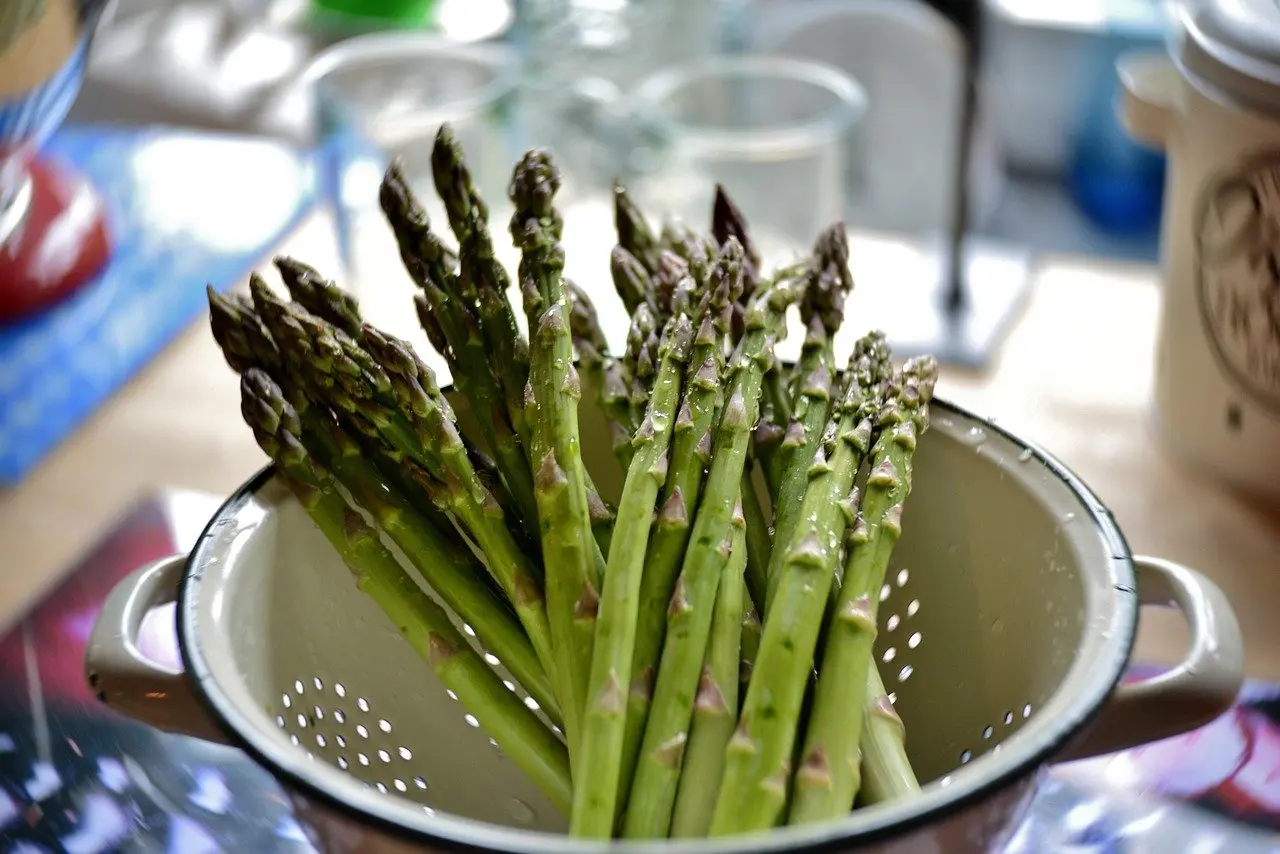
Spring produce is tender, so the cooking should be short and the seasoning light. Asparagus, young greens and similar vegetables suit a quick sauté, a brief steam or a raw salad with a simple dressing. Heavy sauces hide what makes them worth buying. If the recipe needs the vegetable to cook for a long time, it is probably written for a different season.
Washing matters more with leafy produce than with roots, since grit hides in the leaves. A colander and a thorough rinse before cooking is a sound habit. For a full set of recipes built on early-season vegetables, see spring recipes quebec produce.
Summer: fast pans, raw plates and tomatoes
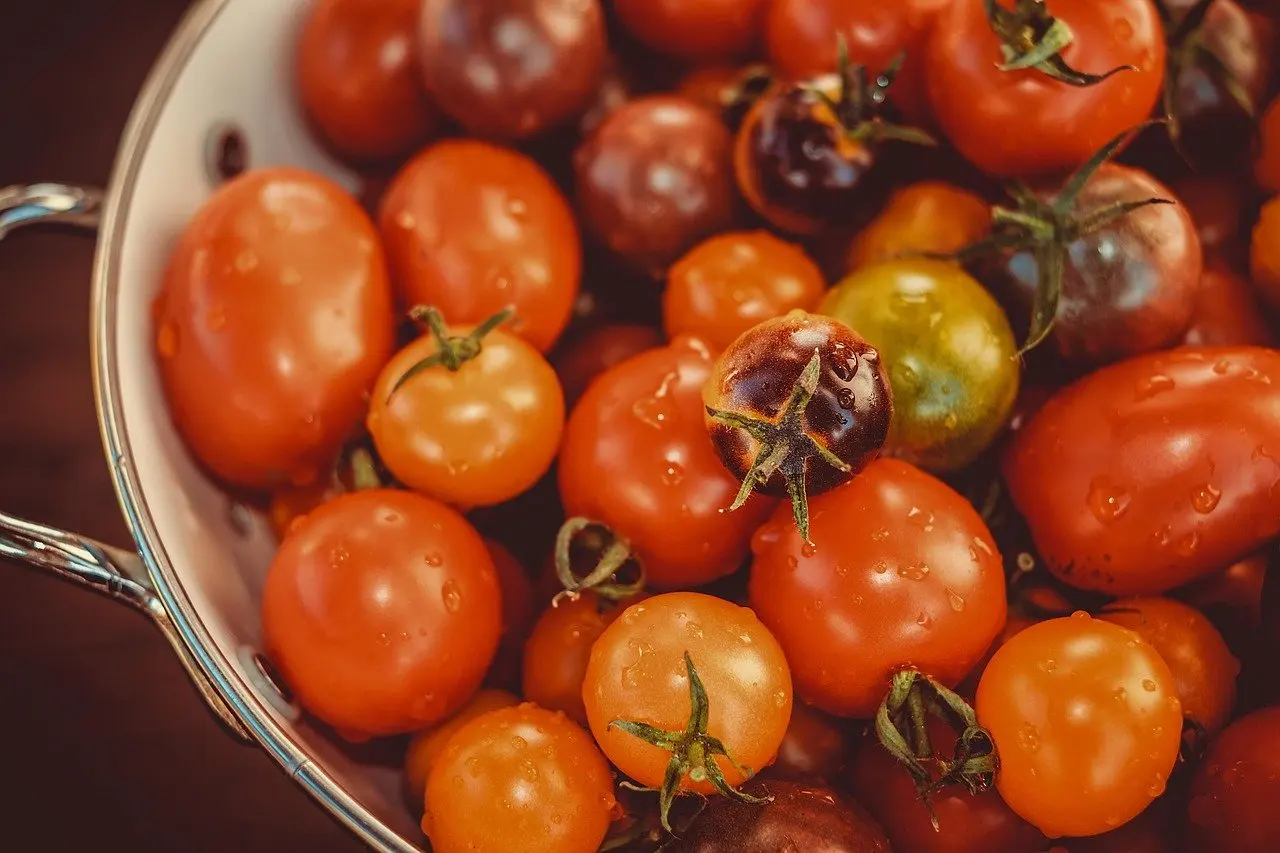
Summer is the season for speed. Tomatoes, zucchini and other fresh vegetables need little more than a hot pan, a grill or a sharp knife. The best dishes keep the produce recognisable, so cook until just tender and season at the end.
Zucchini rewards a decision about texture: sliced thin it softens quickly in a pan, while thicker rounds hold their shape on a grill. A bumper crop of it is a classic home garden problem, and zucchini recipes quebec gathers ways to use it up without repeating the same dish. For a wider range, the summer recipes quebec vegetables page covers the season as a whole.
Fall: squash, apples and the turn to warm dishes
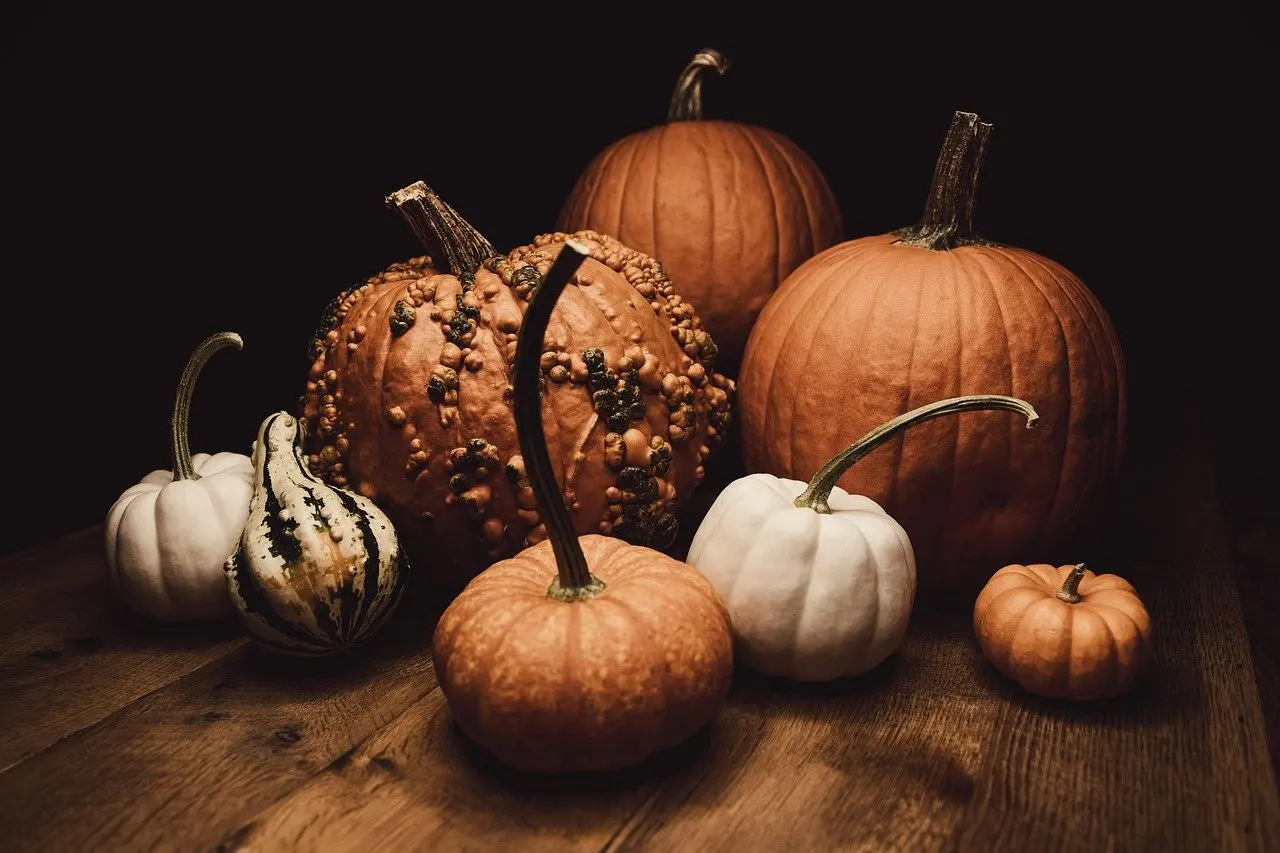
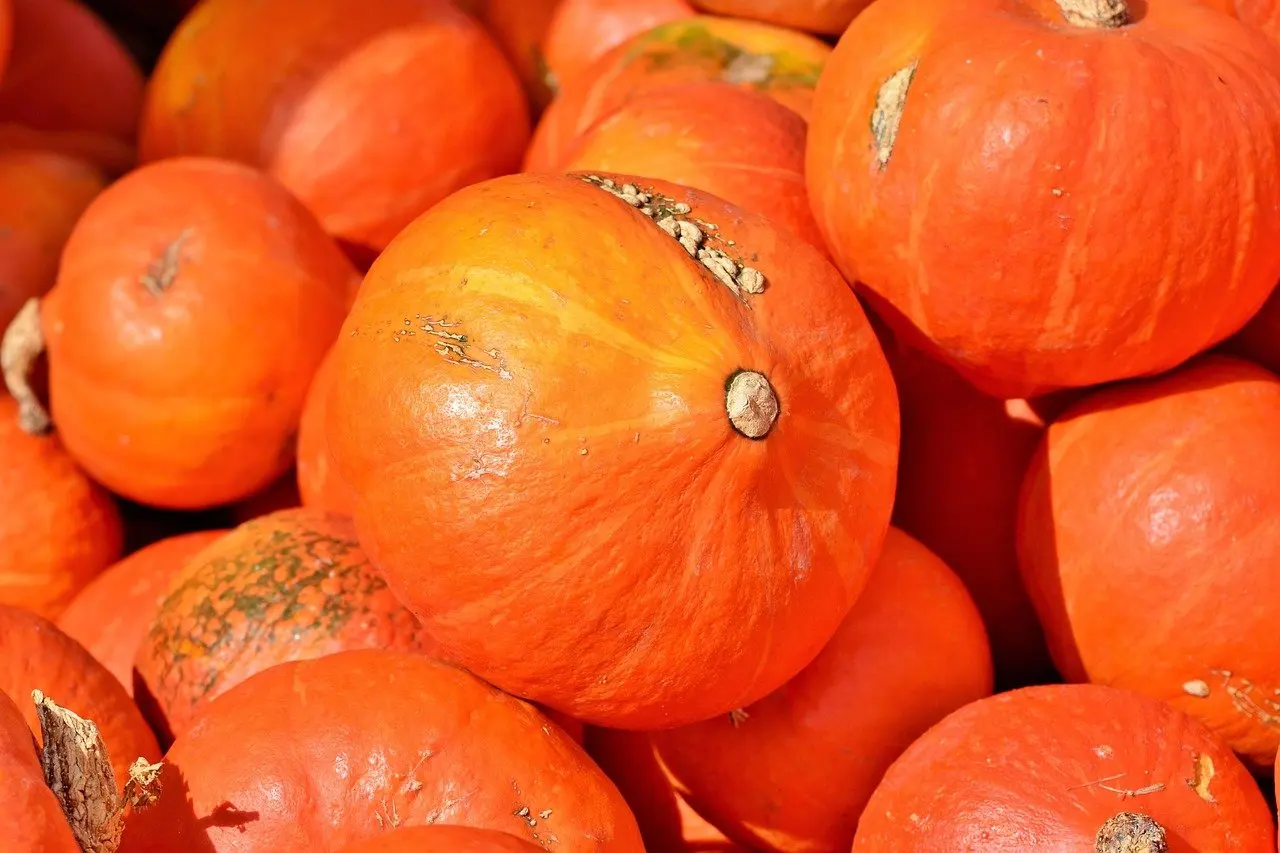
Fall is when cooking shifts from the pan to the oven. Squash and pumpkin become soups, purées and roasted wedges, and apples move between sweet and savoury dishes. Because squash is dense and stores well, it is the ingredient that gives a cook the most flexibility in this season.
Roast squash when you want firm pieces to add to salads or grain dishes, and simmer it when the goal is a smooth soup. Apples pair with pork and with cabbage as readily as with pastry. The quebec apple recipes page explores both directions, and squash recipes quebec covers the many varieties. The wider season is gathered in fall recipes quebec produce.
Winter: roots, storage vegetables and slow cooking
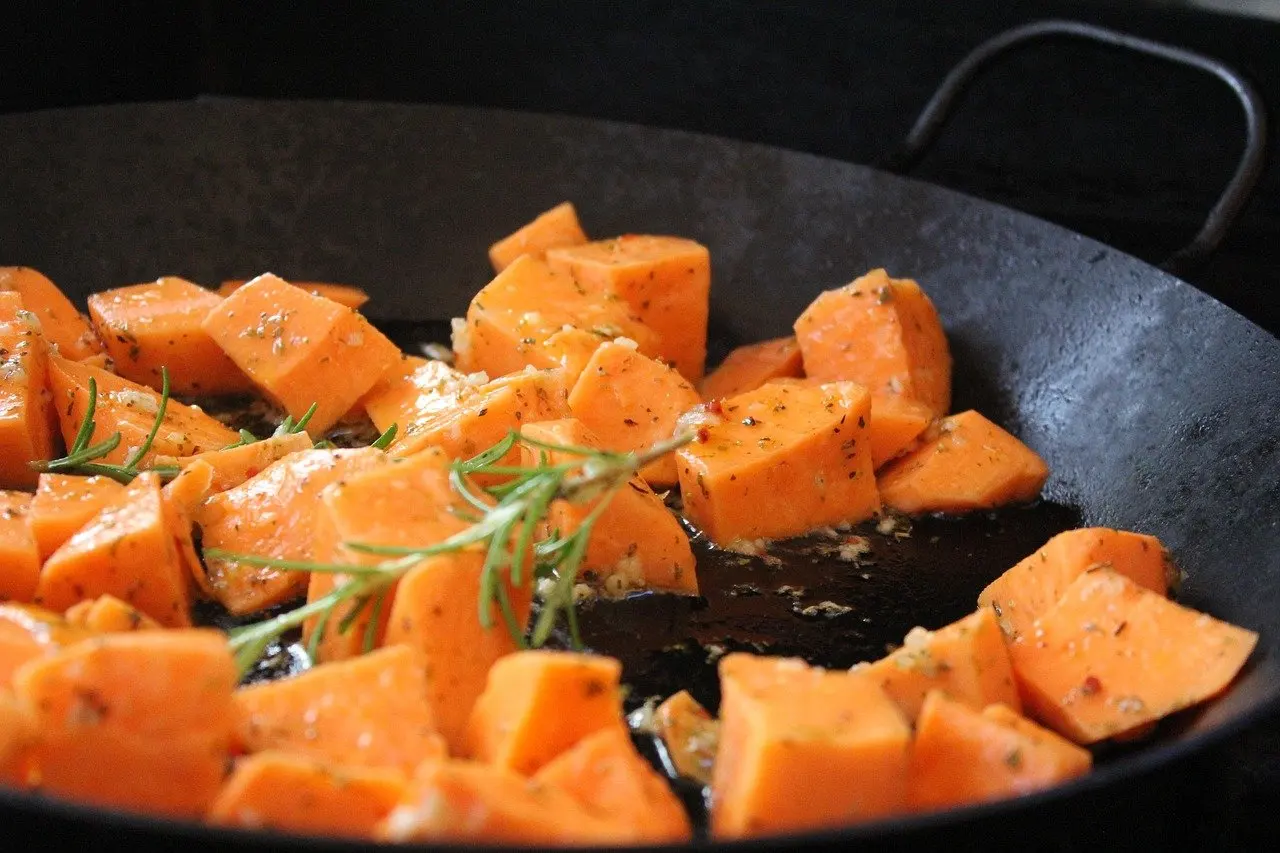
Winter cooking leans on vegetables that store well: beets, carrots, turnips and similar roots. These suit long, gentle methods such as roasting, braising and simmering in soup. They are forgiving, which makes them a good starting point for a cook who is still building confidence.
Roots also change character depending on how they are cut. Small cubes cook evenly in a skillet or tray, while large chunks suit braises that run for a long time. Beets are the one root that stains everything, so keep them apart from the others until the end. The quebec root vegetable recipes page covers each of them in detail. For season-wide ideas, use winter recipes quebec root vegetables.
As winter ends, the sugar season changes what goes into the pan. Maple works as a glaze for roots, a finish for squash and a base for desserts, and maple syrup recipes quebec shows how to use it beyond the pancake stack.
Soups and legumes for the cold months
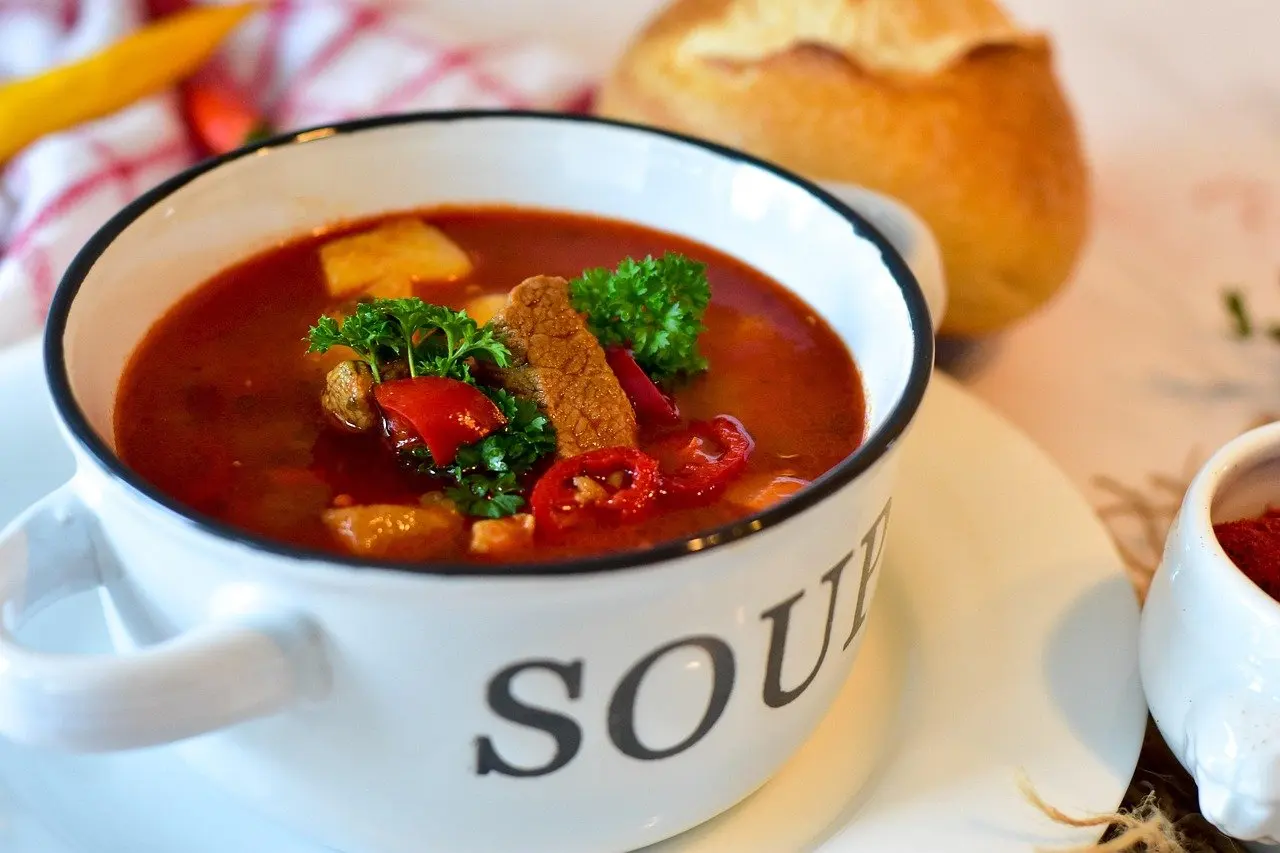
Soup is the most flexible way to cook seasonal vegetables, because it accepts whatever the basket holds. A basic pattern works in any season: soften an onion, add the main vegetable, cover with liquid, simmer until tender and finish with seasoning. Winter versions use roots and squash, summer versions use fresh vegetables and herbs, and a slice of bread on the side turns a bowl into a meal.
Choose the vegetable first and the soup follows. Squash gives a smooth, sweet bowl, root vegetables give a heartier one, and tomatoes give a brighter one. If the vegetables are very different in density, add the denser ones first so everything finishes together. The quebec vegetable soup recipes list is the place to find a recipe for nearly any combination.
Pea soup and other legume dishes
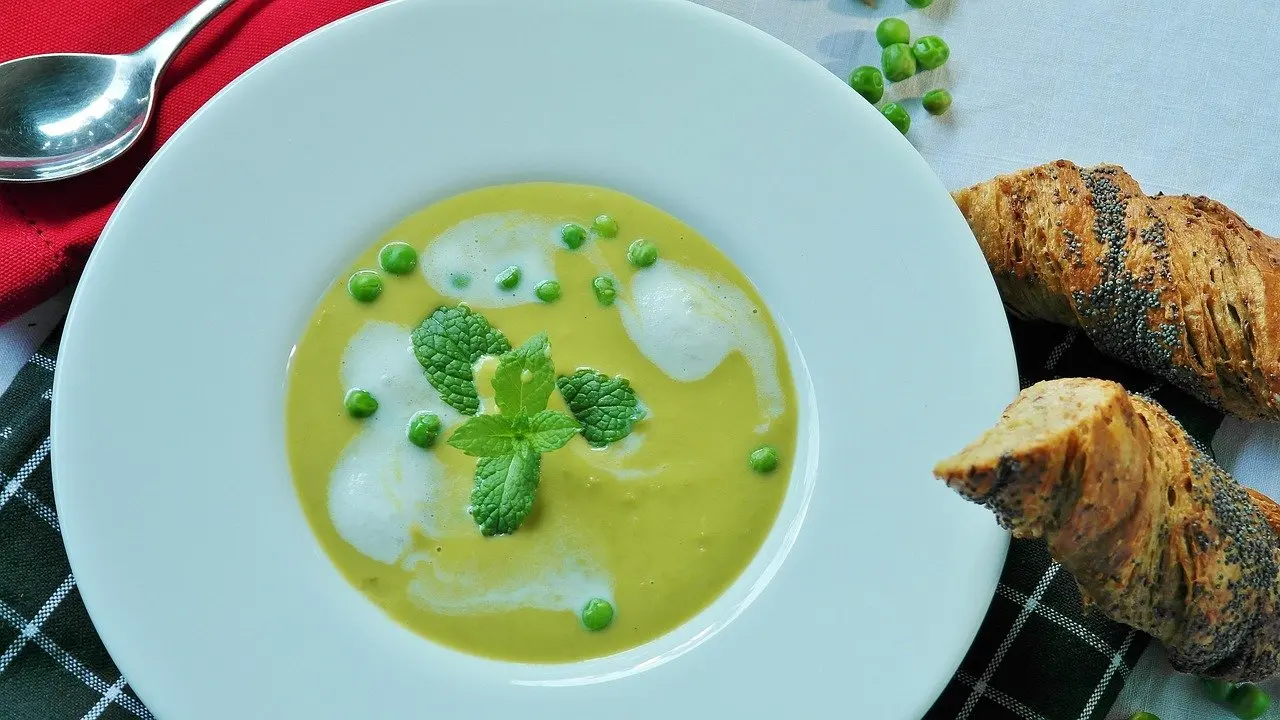
Legumes sit alongside the vegetables in cold-season cooking because they add body and keep well. Pea soup is the best known example in the province, and a pot of it feeds a household for several meals. The quebec pea soup recipe page covers the traditional version and other legume dishes. Choose it when you want a filling, low-effort meal that improves with reheating, and choose a lighter vegetable soup when the produce is the star.
Traditional dishes and what makes them seasonal
Quebec cuisine is built on comfort food that evolved around what could be grown, stored and cooked through the winter. Poutine is the most famous example: Bonjour Québec describes it as crispy fries, squeaky cheese curds and gravy, and notes that Drummondville and Victoriaville both claim to be its birthplace. Poutine is not a seasonal dish in itself, but it shows how simple local ingredients become a signature plate.
For home cooks, the practical lesson is that traditional dishes adapt to the season. A meat main course can be served with whichever vegetable is at its best, whether that is a spring side or a roasted root in winter. A sliced meat roll with potatoes and cold vegetables works as a family dinner in summer, and the same roll with roasted roots suits colder months.
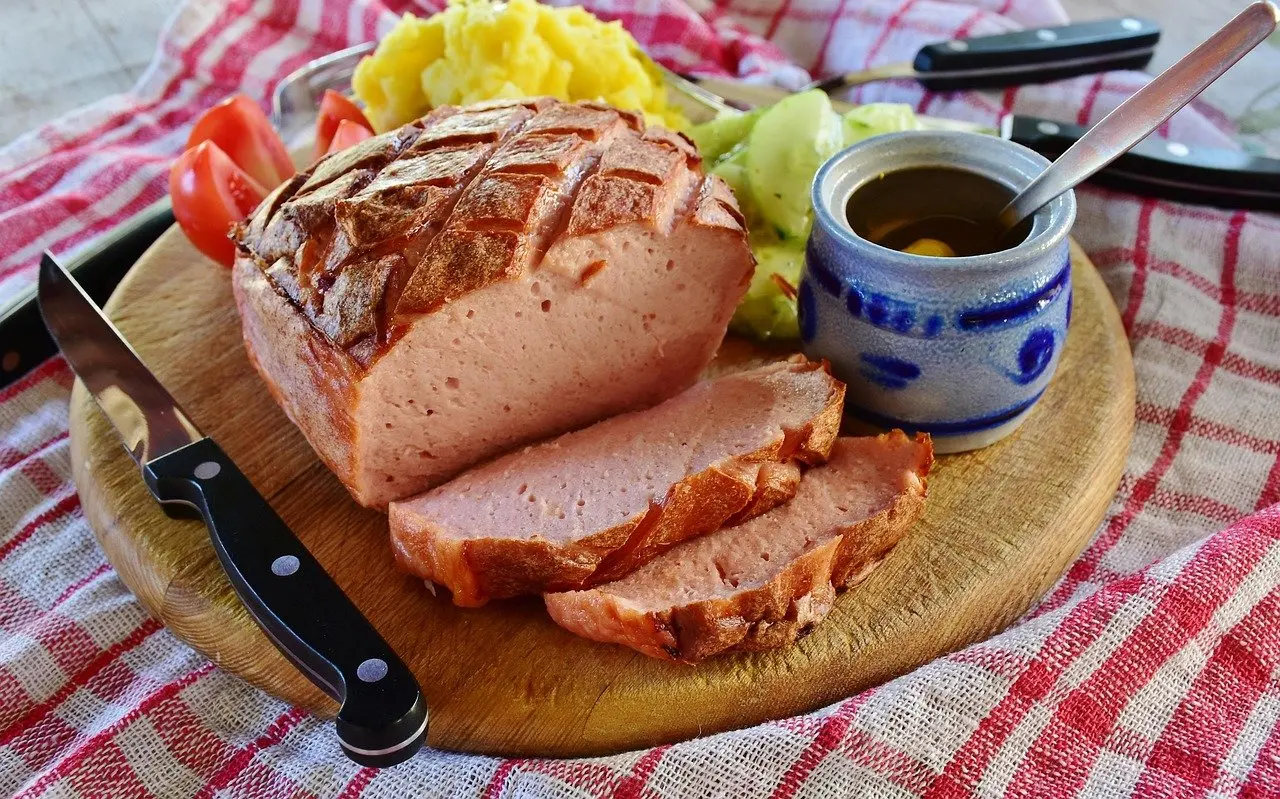
The traditional quebec recipes page gathers classic dishes made from local ingredients. Start there when the goal is a recognisable regional meal rather than a produce-led improvisation.
How Quebec restaurants cook the season
Professional kitchens in the province treat seasonality as a menu principle, and their approaches give home cooks useful models. The table compares several restaurants described by Bonjour Québec and what a home cook can borrow from each.
| Restaurant | Seasonal approach | Planning use at home |
|---|---|---|
| Faux Bergers | Seven-course set menu that changes with the season and the day’s harvest | Let the market decide the menu, then write the plan afterwards. |
| Les Cocagnes | Five-course meal made with locally grown and raised products | Build a multi-course dinner from one region’s ingredients. |
| sEb L’Artisan Culinaire | Creative dishes with local and seasonal products; Bib Gourmand distinction in 2025 | Keep dishes inventive but anchored in what is in season. |
| Terrasse William Gray (Montréal) | Refined dishes and seasonal menus | Refresh the menu as the season changes rather than repeating it. |
| Soif Bar à Vin (Outaouais) | Unpretentious food on a seasonal menu | Simple seasonal food is enough for a relaxed table. |
| Narval (Rimouski) | Wild products and the terroir of eastern Québec | Look to regional ingredients for flavour beyond the usual vegetables. |
These descriptions come from Bonjour Québec’s summer foodie guide, which also notes that Auberge Saint-Mathieu in Mauricie holds a Green Star from the MICHELIN Guide and links top-quality gastronomy with sustainable practices.
What to take from the restaurant model
Two lessons transfer directly. The first is flexibility: a menu that changes with the day’s harvest starts from the ingredient, exactly like the basket route above. The second is restraint: dishes built on fresh, local produce rarely need many components. A home cook who cooks three well-chosen items from the same season will usually produce a better meal than one who chases a long recipe with out-of-season ingredients.
Bonjour Québec also notes that the province’s only restaurant to have earned two MICHELIN stars is in Old Québec. That is a reminder that Quebec cuisine spans the humble and the refined, and that seasonality is the common thread between them.
Preserving the harvest safely
Preserving extends a season, but it also carries risks that fresh cooking does not. Home canning in particular is a procedure rather than a recipe: it depends on tested methods, correct equipment and exact steps. The sensible approach is to use instructions from official sources, such as Government of Canada home canning guidance and provincial food safety authorities, and to follow them as written. Do not substitute ingredients or shorten steps because a recipe looks forgiving.
Freezing is the gentler route for most households. It suits vegetables that would otherwise spoil before they are eaten, and it needs no special equipment beyond clean containers and a freezer. If you are unsure whether to can or freeze, choose freezing for small quantities and the occasional surplus, and choose canning only when you can follow tested instructions closely. The how to preserve vegetables harvest page covers both methods in more detail.
Preserving decisions by produce type
- Tomatoes and summer vegetables: these are the usual candidates for sauces, relishes and freezer batches because they arrive in large quantities.
- Apples: sauces and compotes make good use of fruit that is too soft for eating raw.
- Roots and squash: these store well in cool conditions, so cook them fresh through the winter before turning to preservation.
Planning a harvest table
Begin with a soup or a simple salad, move to a main dish with roasted vegetables as the centre of the plate, and close with a fruit dessert. The structure echoes the multi-course menus described earlier, scaled for a home kitchen.
Prepare as much as possible ahead. Soups and braises improve when made in advance, and roasted vegetables can be reheated, so the cook spends the meal at the table rather than at the stove. The harvest festival menu ideas page offers full menu plans for autumn gatherings.
When to choose which route
If the produce is perishable and arrived today, choose the seasonal route and cook the most delicate items first. If the weather is cold and there is little time, choose a soup or a tray of roasted roots, since both tolerate imprecise timing. If guests are coming, choose the harvest table plan. If there is far more produce than the household can eat, choose freezing or tested canning and treat official instructions as non-negotiable.
Avoid the common mistake of forcing a recipe onto the wrong season. A dish written for summer tomatoes will disappoint with winter ones, and the reverse is just as true. When in doubt, return to the produce calendar and pick the recipe that suits what is actually available.
Frequently asked questions
| Question | Answer |
|---|---|
| Where should I start with seasonal Quebec cooking? | Start with the ingredient you already have. Find its season, cook the delicate items first and give sturdy ones a slower method such as soup or roasting. |
| Can restaurant seasonal menus guide home cooking? | Yes. Bonjour Québec describes menus that change with the season and the day’s harvest, which is the same principle as planning from a basket. Home cooks can borrow the approach without the number of courses. |
| Is poutine a seasonal dish? | Not in itself. It is a year-round comfort food made of fries, cheese curds and gravy, and Drummondville and Victoriaville both claim to be its birthplace. |
| Is home canning safe to improvise? | No. Follow tested instructions from official sources such as Government of Canada home canning guidance, and use freezing when you cannot follow them exactly. |
| What should I cook in the coldest months? | Choose storage vegetables such as beets, carrots, turnips and squash in soups, roasts and braises, and add legumes such as peas for body. |